What Are the Types of Radiology Tests You Should Know?
What Are the Types of Radiology Tests You Should Know?
Exploring the Spectrum of Radiology Tests in Dubai
Diagnostic imaging offers a comprehensive suite of radiology tests designed to provide clinicians with clear views of internal anatomy, enabling precise disease detection and informed treatment strategies. This guide will illuminate the primary radiology tests available, delve into their underlying technologies and radiation considerations, clarify which medical conditions each modality effectively diagnoses, and offer practical advice on preparing for your imaging appointment. We will also compare the advantages and potential risks, explain the straightforward process of booking radiology tests via Lab Tests Dubai, and address common patient queries—all to empower you in selecting the ideal diagnostic service and booking with complete assurance.
Key Radiology Tests: An Overview
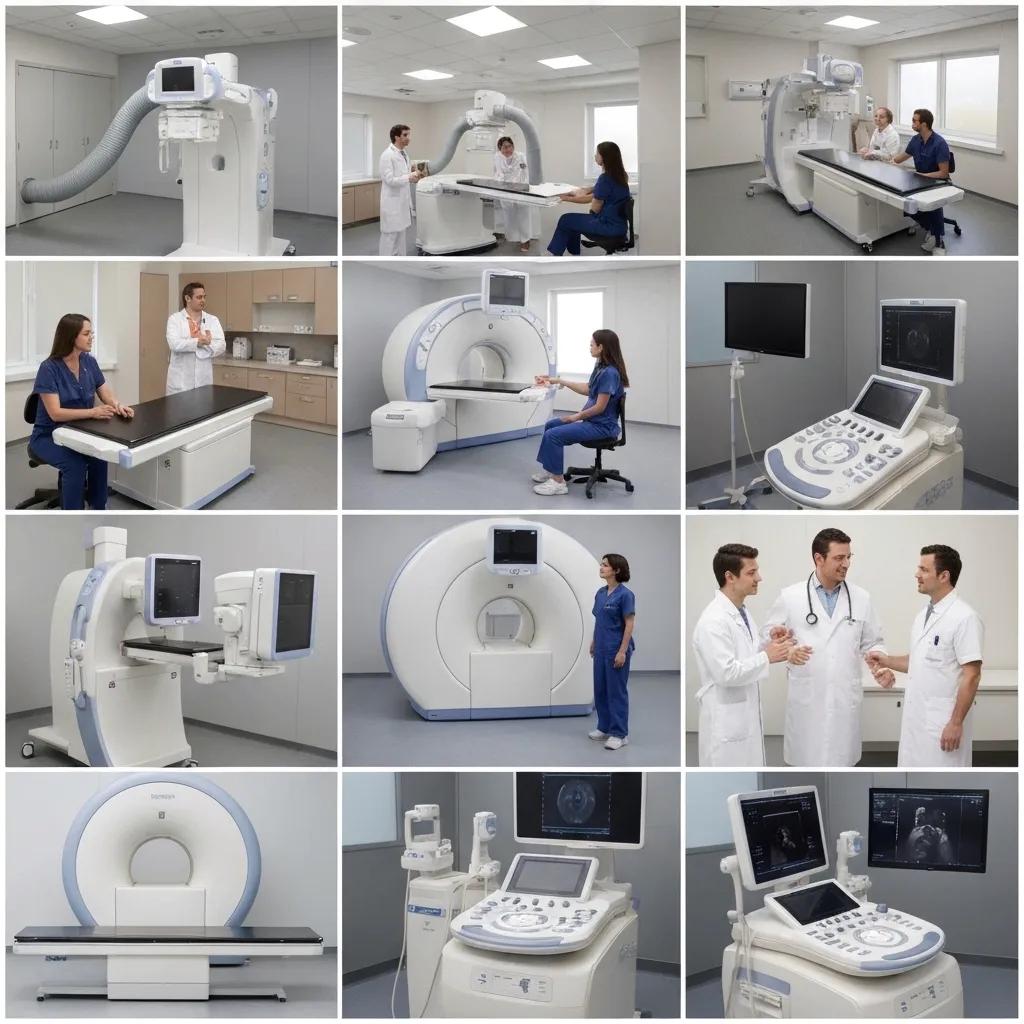
While radiology tests differ in their imaging technology, contrast agents, and specific clinical applications, they all share the fundamental objective of providing non-invasive insights into the human body. Below, we present a comparative look at seven principal modalities, detailing each test’s core principles, imaging mechanism, and clinical significance.
| Imaging Modality | Underlying Technology | Primary Clinical Applications |
|---|---|---|
| X-ray | Focused beam of ionizing radiation | Bone integrity assessment, lung health evaluation |
| CT Scan | Advanced X-ray detector array in rotation | Acute trauma assessment, vascular system imaging |
| MRI Scan | Magnetic fields and radio wave pulses | Detailed soft tissue visualization, neurological diagnostics |
| Ultrasound | High-frequency sound wave reflection | Pregnancy monitoring, internal organ assessment |
| PET Scan | Radiotracer uptake and gamma ray detection | Cellular metabolic activity, cancer identification |
| Mammography | Low-dose X-ray imaging | Breast cancer screening, biopsy guidance |
| Fluoroscopy & NM | Real-time X-ray imaging / radiotracers | Dynamic physiological studies, bone density analysis |
This foundational overview paves the way for in-depth explorations of each test type, from conventional X-rays to sophisticated nuclear medicine procedures.
Understanding X-rays: Purpose and Applications
An X-ray utilizes a targeted beam of ionizing radiation to generate two-dimensional images of dense internal structures, such as bones and the lungs. By directing low-dose radiation through the body, X-ray detectors capture subtle variations in tissue density, revealing conditions like fractures, joint misalignments, pneumonia, and arthritis. The availability of portable X-ray units allows for swift bedside imaging of trauma patients, while digital radiography systems deliver high-resolution images almost instantaneously. Due to its speed and widespread accessibility, X-ray remains a primary diagnostic tool in both emergency and routine outpatient care.
X-ray Technology and Its Uses
X-rays serve as a cornerstone diagnostic tool, employing ionizing radiation to produce images of dense tissues like bones and lungs. These images are crucial for identifying fractures, joint dislocations, and assessing lung conditions such as pneumonia and arthritis. Portable X-ray units are particularly invaluable for rapid imaging in emergency settings, directly at the patient’s bedside.
The Mechanics of CT Scans and Their Diagnostic Scope
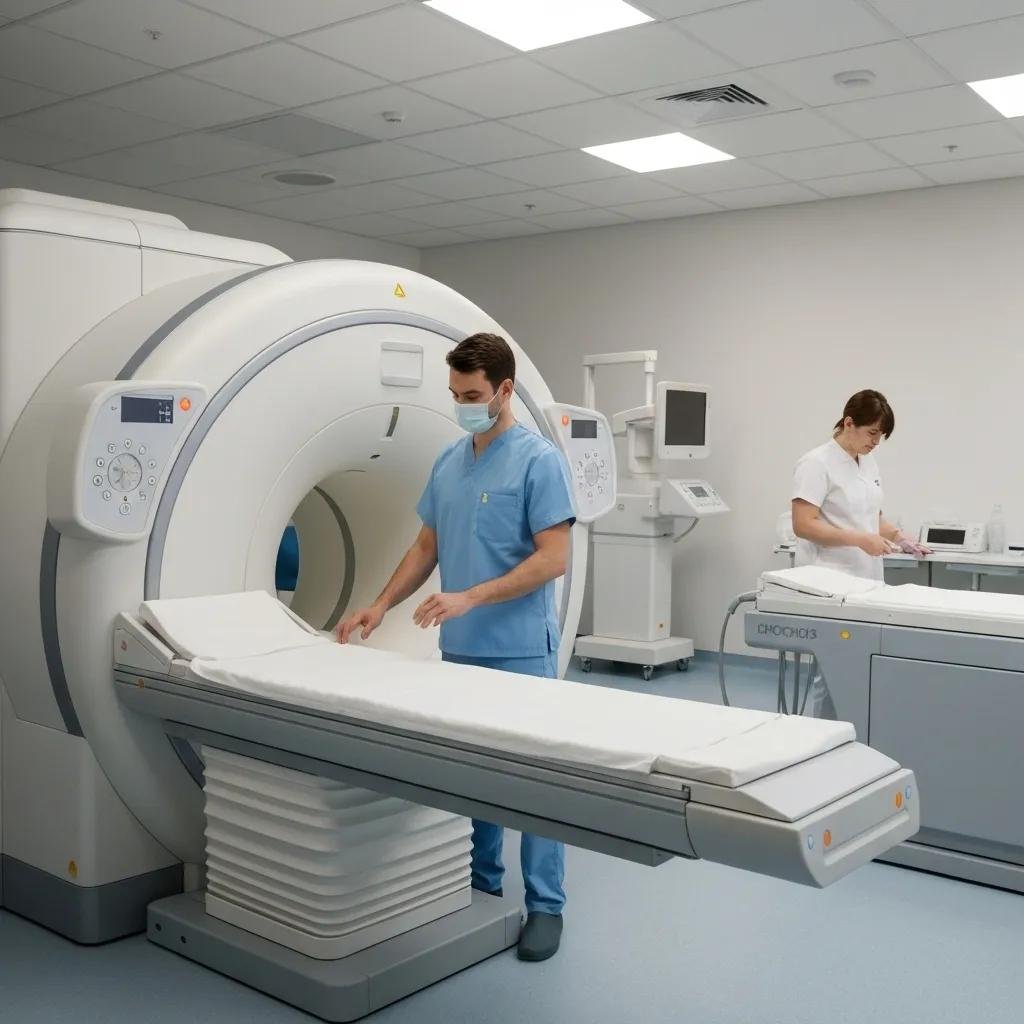
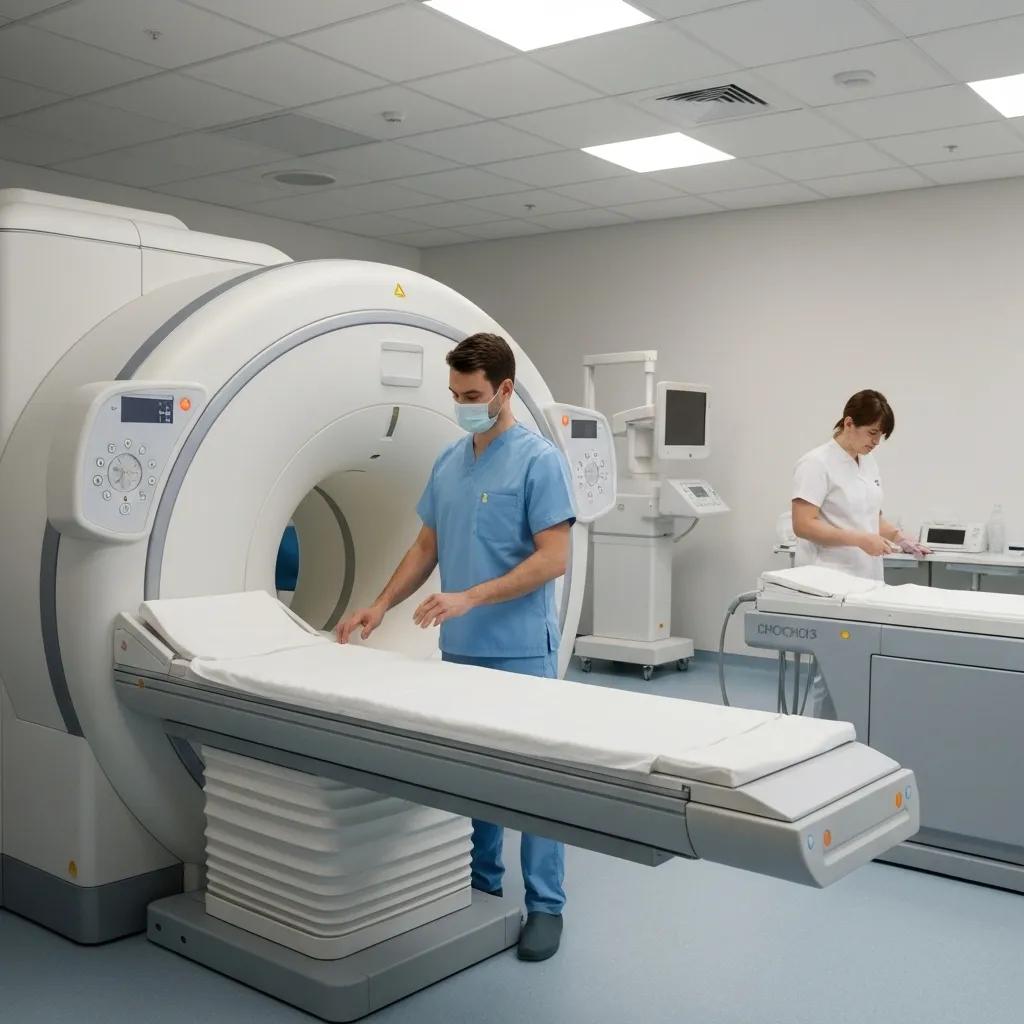
Computed tomography (CT) operates by using a rotating X-ray source and an array of detectors to capture cross-sectional “slices” of the body. A sophisticated computer then processes these slices to construct detailed 3D images, offering exceptional clarity of soft tissues, blood vessels, and bone. CT scans are indispensable for identifying internal bleeding, evaluating injuries from trauma, guiding biopsy procedures, and visualizing the cardiovascular system through angiography. The modality’s capacity for rapid volumetric imaging makes it ideal for assessing acute conditions like stroke and for intricate surgical planning.
The Advantages of MRI Scans for Soft Tissue Visualization
Magnetic resonance imaging (MRI) employs powerful magnetic fields and precisely timed radiofrequency pulses to align and then perturb hydrogen nuclei within water molecules. This process generates highly detailed soft tissue contrast without the use of ionizing radiation. MRI is particularly adept at visualizing brain tumors, spinal cord abnormalities, ligament tears, and joint issues. Its superior tissue differentiation capabilities are vital for neurological diagnoses, such as multiple sclerosis, and for functional imaging of cardiac structures. Through advanced sequences like contrast enhancement and diffusion-weighted imaging, MRI offers unparalleled insights into organ pathologies and responses to treatment.
MRI: Safety Features and Clinical Applications
Magnetic Resonance Imaging (MRI) harnesses strong magnetic fields and radio waves to produce detailed soft tissue contrast without exposing the patient to ionizing radiation. MRI excels in visualizing brain tumors, spinal cord lesions, ligament tears, and joint abnormalities. Its high degree of tissue differentiation is instrumental in neurological diagnoses and functional imaging of cardiac structures.
Ultrasound: Safe and Versatile Imaging Techniques
Ultrasound technology emits high-frequency sound waves that bounce off internal organs and blood vessels, generating real-time images without employing ionizing radiation. This inherent safety makes ultrasound the preferred method for monitoring fetal development, evaluating gallbladder and liver health, examining thyroid nodules, and assessing blood flow in vessels. Doppler ultrasound specifically measures blood velocity in arteries and veins, aiding in the diagnosis of conditions like deep vein thrombosis and peripheral arterial disease. Being both portable and cost-effective, ultrasound is highly valuable for bedside assessments in clinics and operating rooms.
PET Scans: Function and Cancer Detection Capabilities
Positron emission tomography (PET) involves the administration of a radiotracer, most commonly fluorodeoxyglucose (FDG), which accumulates in cells with high metabolic activity. As the tracer emits positrons, gamma cameras detect the resulting annihilation photons, mapping areas of increased uptake at a cellular level. PET scans are effective in identifying cancerous tumors, monitoring treatment efficacy, and detecting metastases that might not be visible with other imaging methods. The integration of PET with CT scanners (PET/CT) fuses metabolic information with anatomical detail, allowing for precise lesion localization and guiding personalized cancer therapies.
Mammography and Breast Biopsy Procedures Explained
Mammography utilizes low-dose X-ray imaging to screen for breast cancer, identifying subtle signs like microcalcifications and masses. Diagnostic mammograms may incorporate magnification views and contrast agents for suspicious findings, guiding needle biopsies performed under imaging supervision. Stereotactic and ultrasound-guided breast biopsies involve extracting tissue samples for laboratory analysis to confirm whether the findings are benign or malignant. Regular screening mammography remains the gold standard for early breast cancer detection in women at risk.
Additional Radiology Tests in Common Use
Beyond these primary modalities, fluoroscopy offers real-time X-ray visualization for gastrointestinal studies and interventional procedures. Nuclear medicine scans, such as bone and thyroid scans, use radiotracers to assess physiological processes. Dual-energy X-ray absorptiometry (DEXA) is used to measure bone density and diagnose osteoporosis. Each specialized test expands diagnostic capabilities into the realms of dynamic function, metabolic activity, and quantitative tissue analysis.
Distinguishing Radiology Tests by Technology and Radiation Exposure
Radiology tests differ significantly in their use of ionizing versus non-ionizing energy, which influences their safety, image resolution, and clinical applications. The table below contrasts key tests based on their energy source, typical radiation dose, and overall safety profile.
| Modality | Energy Source | Typical Dose Range | Safety Consideration |
|---|---|---|---|
| X-ray | Ionizing radiation | 0.1–1 mSv per examination | Minimal risk with modern digital detectors |
| CT Scan | Ionizing radiation | 2–10 mSv per region scanned | Dose optimization techniques reduce risk |
| MRI Scan | Non-ionizing (magnetic fields) | 0 mSv | Requires screening for metallic implants |
| Ultrasound | Non-ionizing (sound waves) | 0 mSv | Considered safe for all patient groups, including pregnant women |
| PET Scan | Ionizing (radiotracer) | 5–7 mSv per scan | Exposure minimized by tracer decay |
These critical distinctions guide the selection of appropriate modalities for sensitive patient populations and inform equipment choices in advanced imaging facilities.
Ionizing vs. Non-Ionizing Radiation in Medical Imaging
Ionizing radiation possesses sufficient energy to dislodge electrons from atoms, potentially leading to cellular damage. Tests such as X-rays, CT scans, and PET scans utilize ionizing energy, necessitating careful dose management to minimize risks. Non-ionizing modalities, including MRI and ultrasound, employ magnetic fields or sound waves, respectively, which do not alter molecular structures and are therefore considered safer for frequent imaging and for vulnerable patient groups like pregnant women.
The Role of Ionizing Radiation in X-rays and CT Scans
X-ray machines emit a focused beam of photons that pass through the body; denser tissues absorb more radiation, appearing white on the detector. CT scanners enhance this by rotating the X-ray beam around the patient, capturing multiple projections to reconstruct detailed cross-sectional images. Contemporary CT systems incorporate automated exposure controls and advanced reconstruction algorithms to maintain diagnostic image quality while delivering the lowest possible radiation dose.
Why MRI and Ultrasound Are Considered Safer Imaging Choices
MRI utilizes static and gradient magnetic fields, along with radiofrequency pulses, to generate images without ionizing radiation, thereby eliminating the risk of radiation-induced cellular damage. Ultrasound employs reflected sound waves to provide real-time imaging with no cumulative radiation dose. These characteristics make MRI and ultrasound particularly suitable for long-term monitoring, pediatric imaging, and examinations during pregnancy.
Cutting-Edge Advancements in Radiology Technology
Recent innovations, including artificial intelligence (AI) for image reconstruction and anomaly detection, are significantly enhancing diagnostic accuracy and streamlining workflows. 3D and 4D imaging technologies capture dynamic movements in real time, improving assessments of cardiac, fetal, and musculoskeletal systems. Furthermore, the development of helium-free MRI systems and more compact MRI units is expanding access to advanced imaging capabilities in mobile settings and underserved regions.
Matching Medical Conditions with Specific Radiology Tests
Each radiology modality is specialized for evaluating particular tissues and pathologies. The following list highlights common conditions and the preferred imaging tests for their diagnosis and ongoing management.
- Assessing bone fractures and evaluating joint health
- Diagnosing internal injuries from trauma and vascular conditions
- Identifying neurological disorders and soft tissue tumors
- Examining abdominal organs and monitoring fetal development
- Staging cancer, assessing tumor metabolism, and detecting recurrence
- Screening for breast cancer, guiding biopsies, and analyzing breast density
These specific applications guide clinicians in selecting the most effective imaging modality based on the patient’s symptoms and the diagnostic objectives.
X-rays for Detecting Fractures and Lung Issues
X-rays continue to be the primary diagnostic tool for identifying bone fractures, joint dislocations, and skeletal abnormalities. Chest X-rays are effective in revealing lung consolidation, pleural effusions, pneumonia, and indicators of chronic obstructive pulmonary disease. Portable digital X-ray units facilitate rapid assessments in emergency and intensive care units, enabling prompt treatment decisions.
The Role of CT Scans in Trauma and Cardiovascular Imaging
CT scanning is crucial for the rapid identification of intracranial hemorrhage, organ lacerations, and vascular injuries in trauma patients. High-resolution CT angiography provides detailed visualization of coronary arteries, pulmonary emboli, and aneurysms. The speed and spatial resolution of this modality are vital for diagnosing acute strokes, mapping vascular anatomy before surgery, and planning minimally invasive interventions.
MRI’s Contribution to Diagnosing Neurological and Orthopedic Conditions
MRI’s exceptional soft tissue contrast allows for highly detailed imaging of brain structures, spinal cord lesions, and peripheral nerves, aiding in the diagnosis of conditions such as multiple sclerosis and herniated discs. In orthopedics, MRI is invaluable for detecting ligament tears, cartilage damage, and early stress fractures, guiding both surgical and conservative treatment approaches with precise anatomical detail.
Conditions Monitored with Ultrasound Imaging
Ultrasound is used to track fetal growth, amniotic fluid levels, and placental health throughout pregnancy. Abdominal ultrasounds are effective for evaluating liver cirrhosis, gallstones, kidney cysts, and appendicitis. Doppler studies assess arterial stenosis, venous thrombosis, and graft patency, providing real-time hemodynamic monitoring without radiation exposure.
PET Scans in Cancer Detection and Management
PET scanning identifies areas of heightened metabolic activity characteristic of cancerous tumors by measuring increased FDG uptake in malignant cells. It is used for staging various cancers, including lymphoma, lung, colorectal, and head-and-neck cancers, as well as for detecting metastases and evaluating treatment response. PET’s sensitivity at the cellular level supports early detection of cancer recurrence and guides personalized oncology treatment plans.
The Significance of Mammography in Breast Cancer Screening
Mammography remains a fundamental tool for breast cancer screening, capable of detecting early microcalcifications and masses before symptoms become apparent. Screening guidelines typically recommend annual or biennial mammograms for women aged 40 and above, or those with higher risk factors. When used in conjunction with ultrasound or MRI, particularly for women with dense breast tissue, mammography enhances diagnostic accuracy and improves the guidance of biopsies.
Preparing for Your Radiology Tests: Essential Guidelines

Preparation protocols are tailored to each modality to ensure optimal image quality and patient safety. The table below outlines key preparation steps for commonly performed radiology tests.
| Test Type | Preparation Requirement | Helpful Tip |
|---|---|---|
| X-ray / CT Scan | Remove metallic items; fasting may be required if contrast is used | Wear comfortable, loose-fitting clothing without metal fasteners |
| MRI Scan | Remove all metallic objects, jewelry, and medical devices; inform staff about any implants | Practice relaxation techniques to help stay still during the scan |
| Ultrasound | Generally no specific preparation; a full bladder may be needed for pelvic scans | Arrive a few minutes early to allow for gel application |
| PET Scan | Consume a low-carbohydrate diet 6–12 hours prior; stay hydrated | Avoid strenuous physical activity for 24 hours before the scan |
| Mammography | Avoid using deodorants, powders, or lotions on the underarms and breasts; inform staff about breast implants | If possible, schedule your mammogram for a week after your menstrual period |
Adhering to these guidelines contributes to obtaining clear diagnostic images and ensures a more comfortable patient experience.
Standard Preparation for X-rays and CT Scans
Patients are advised to remove jewelry, eyeglasses, and any other metal accessories that could interfere with image quality. For CT scans requiring contrast agents, fasting for 4–6 hours and maintaining good hydration are recommended to enhance visualization and minimize potential adverse reactions. Technologists will review the patient’s allergies and medical history before administering any contrast agents.
Preparing for Your MRI Scan
Prior to an MRI, it is essential to remove all metallic items, including hearing aids and piercings. Patients with pacemakers or certain metallic implants must inform the radiologist beforehand. For individuals experiencing claustrophobia, mild sedation or the use of an open-bore MRI scanner may be options. Open communication with the technologists is key to ensuring both safety and optimal image quality.
What to Expect During Ultrasound Procedures
Most ultrasound examinations require minimal or no specific preparation. For abdominal ultrasounds, fasting for 6–8 hours can help reduce interference from gas in the digestive tract. Pelvic ultrasounds may necessitate a full bladder to improve the visualization of pelvic organs. The procedure is generally painless, and patients can typically resume their normal activities immediately afterward.
Special Instructions for PET Scans and Mammography
For PET scans, patients are typically instructed to follow a low-carbohydrate, high-protein diet for 6–12 hours before the examination and to avoid caffeine. Staying well-hydrated is important for optimal tracer distribution. Mammography patients should refrain from using deodorants or lotions on the day of the exam, as these can create artifacts on the images. It is also important to inform the technologists about any previous breast surgeries or the presence of implants.
Understanding the Benefits and Risks of Each Radiology Test
Each imaging test offers distinct diagnostic advantages, alongside potential risks that are carefully managed in modern radiology centers through rigorous protocols and advanced equipment.
- Rapid results and accessibility versus potential radiation exposure
- Exceptional soft tissue detail without radiation
- Real-time imaging with a high safety profile
- High sensitivity for detecting metabolic changes
- Early detection capabilities and guidance for biopsies
- Assessment of dynamic and quantitative physiological functions
These trade-offs are important considerations for clinicians and patients when deciding on the most appropriate imaging pathway.
Diagnostic Advantages of X-rays and CT Scans
X-rays offer a quick, cost-effective method for evaluating bone injuries and chest conditions, requiring minimal patient preparation. CT scans provide high-resolution cross-sectional images essential for complex anatomical assessments, detecting internal bleeding, and mapping vascular structures. Together, these modalities form the foundation of emergency and trauma diagnostics.
MRI’s Safe and Detailed Soft Tissue Imaging Capabilities
MRI’s non-ionizing approach yields superior soft tissue contrast, making it ideal for neurological, musculoskeletal, and cardiovascular imaging. Advanced MRI sequences, such as diffusion-weighted and functional MRI, can reveal microscopic tissue changes and blood flow dynamics without radiation exposure, supporting long-term patient monitoring.
Safety Advantages Offered by Ultrasound
Ultrasound does not utilize ionizing radiation, making it an excellent choice for repeated examinations in pregnant patients, children, and other sensitive populations. Its portability and ability to provide real-time feedback are beneficial for guided interventions, biopsies, and intraoperative monitoring, all with minimal patient risk.
Potential Risks Associated with PET Scans and Mammography
PET scanning involves exposure to small amounts of radiotracers; however, the short half-life and rapid elimination of these tracers limit long-term risks. Allergic reactions to radiopharmaceuticals are exceedingly rare. Mammography uses very low doses of radiation, but potential concerns include false positives and the possibility of overdiagnosis. It is important to balance the benefits of screening against the rates of patient recalls.
Risk Mitigation Strategies in Modern Radiology Centers
State-of-the-art digital detectors, sophisticated dose-modulation algorithms, and stringent quality control measures ensure that radiation exposure is kept As Low As Reasonably Achievable (ALARA). Highly skilled radiologists with subspecialty expertise interpret the images, while technologists meticulously follow safety protocols to protect both patients and staff.
Booking Your Radiology Tests in Dubai Made Easy
Dubai boasts advanced imaging centers equipped with the latest technology and staffed by highly qualified professionals. Lab Tests Dubai streamlines the booking process for all major radiology tests, ensuring minimal waiting times and high-quality digital imaging interpreted by certified radiologists.
Discover Top Radiology Centers in Dubai
Premier imaging facilities are conveniently located in Dubai’s central medical districts and integrated within multi-specialty clinics. The Lab Tests Dubai network features easily accessible centers with extended operating hours, modern imaging equipment, and user-friendly online appointment scheduling to reduce patient travel and wait times.
How Lab Tests Dubai Offers Fast and Affordable Booking
The Lab Tests Dubai online platform simplifies appointment selection by allowing users to filter by test type, preferred location, and available dates. Transparent pricing and bundled packages for multiple tests help patients manage diagnostic costs effectively. Options for same-day bookings and instant SMS confirmations ensure a seamless experience from initial registration to the completion of the scan.
Understanding Radiologist Expertise in Dubai
Radiologists practicing in Dubai hold international board certifications and specialized credentials, enabling them to interpret complex imaging studies across various fields, including neurology, cardiology, oncology, and orthopedics. Their commitment to continuous professional development ensures they are proficient in utilizing the latest AI-assisted tools and imaging protocols.
Preparing for Your Appointment: What to Bring
Patients should bring any previous imaging studies, referral letters from their doctor, and relevant medical history documentation. Wearing comfortable, metal-free clothing and having insurance or payment details readily available will expedite the check-in process. Arriving 15–20 minutes prior to your scheduled appointment allows ample time for registration and any necessary pre-scan instructions.
Addressing Common Patient Questions About Radiology Tests
Patients frequently seek clarification regarding modality selection, safety considerations, examination duration, and the interpretation of reports. Below, we provide concise and informative answers to key patient concerns.
The 5 Primary Medical Imaging Techniques
The five foundational imaging modalities are conventional X-ray, computed tomography (CT), magnetic resonance imaging (MRI), ultrasound, and nuclear medicine (including PET scans). These techniques differ in their energy sources, resolution capabilities, and clinical applications, but collectively offer comprehensive diagnostic insights.
Distinguishing Between X-ray, CT Scan, and MRI
X-rays provide rapid, two-dimensional images of dense structures. CT scans utilize multiple X-ray rotations to generate three-dimensional cross-sectional views. MRI employs magnetic fields to produce highly detailed soft tissue contrast without radiation. The choice among these depends on the specific organ being examined, the required level of detail, and patient-specific factors such as sensitivity to radiation.
Selecting the Best Radiology Test for Your Condition
A healthcare provider will determine the most appropriate test based on the suspected condition: X-rays are typically used for bone injuries, CT scans for acute trauma or vascular assessments, MRI for neurological or musculoskeletal disorders, ultrasound for abdominal or obstetric imaging, and PET scans for evaluating tumor metabolism. Personalized medical guidance ensures the most accurate diagnosis.
Typical Duration of Radiology Tests
Most X-ray examinations are completed in under five minutes. CT scans generally take 10–20 minutes, including preparation time. MRI sessions can range from 20 to 60 minutes, depending on the complexity of the sequences required. Ultrasound exams typically last 15–30 minutes, while PET scans, from tracer injection to imaging, span approximately 60–90 minutes.
Radiology Tests During Pregnancy: Safety Considerations
Ultrasound and MRI (without contrast agents) are the preferred imaging methods for pregnant patients due to their lack of ionizing radiation. X-rays and CT scans are generally reserved for urgent situations, with appropriate shielding protocols implemented. PET scans are contraindicated during pregnancy. Clinical necessity and the availability of alternative modalities guide safe imaging decisions for expectant mothers.
Understanding Your Radiology Report
Radiology reports provide a summary of findings, diagnostic impressions, and recommendations, typically using standardized medical terminology. Key sections include the patient’s medical history, the imaging techniques employed, detailed observations, and the final diagnostic conclusions. Radiologists are often available for consultations to explain the results and advise on the next steps in patient care.
Selecting the appropriate radiology test and ensuring thorough preparation are crucial steps toward achieving an accurate diagnosis and developing an effective treatment plan. By understanding the various modalities, their safety profiles, and the booking procedures—particularly through a trusted provider like Lab Tests Dubai—you can confidently navigate the process of diagnostic imaging, ensuring peace of mind throughout.