The Best Meal to Clean Your Arteries

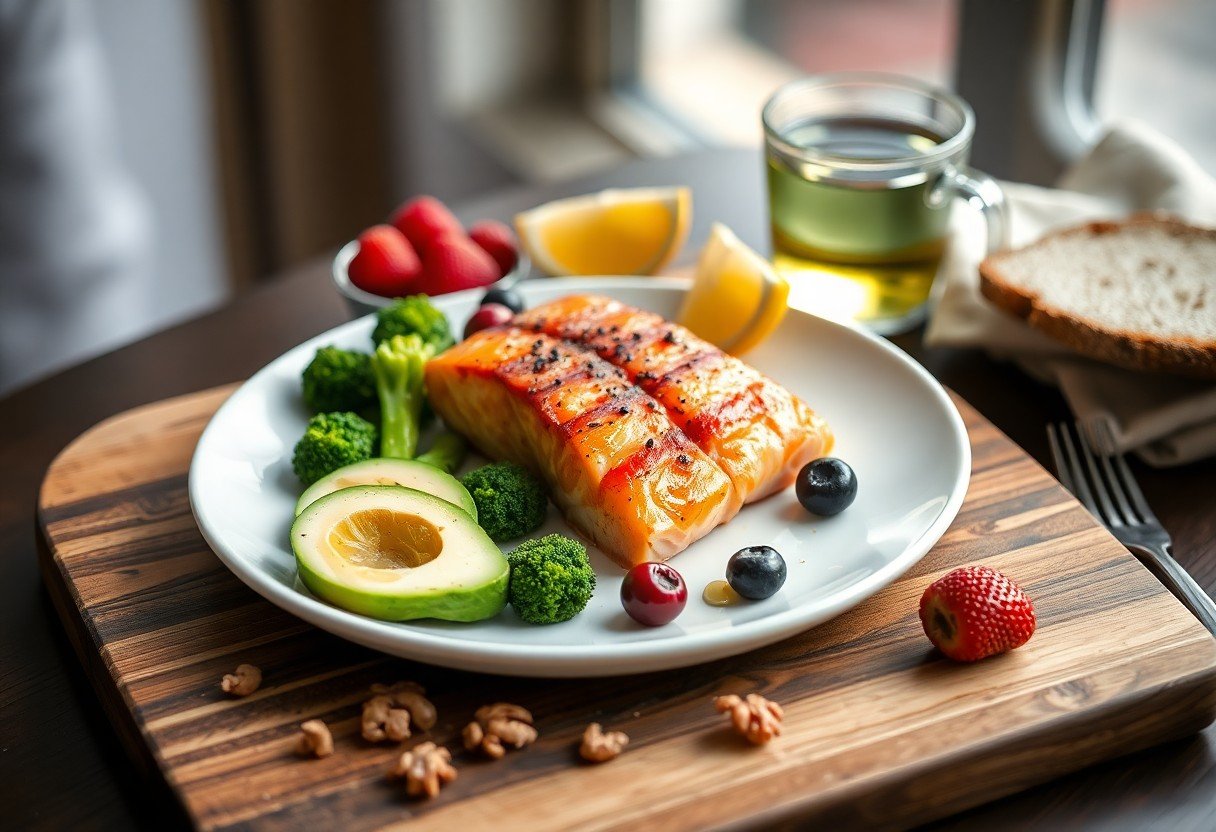
With a meal centered on grilled salmon, leafy greens, berries, and walnuts, you actively fight artery disease: omega-3s reduce inflammation, fiber lowers LDL, and antioxidants help remove plaque for safer blood flow.
Key Takeaways:
- A heart-healthy meal emphasizes soluble fiber, omega-3 fats, antioxidants, and minimal saturated and trans fats.
- Include fatty fish (salmon, mackerel), walnuts, and chia seeds for omega-3s that reduce plaque and inflammation.
- Choose whole grains, legumes, oats, and fruits like apples and berries for soluble fiber that lowers LDL cholesterol.
- Use extra-virgin olive oil, avocados, and nuts for healthy fats while replacing processed meats and fried foods with plant-forward proteins.
- Add leafy greens, garlic, turmeric, and green tea for antioxidant and nitric oxide support, and limit sodium and added sugars.
Essential Nutrients for Vascular Cleansing
Within this section you’ll learn which nutrients-soluble fiber, omega-3s, and antioxidants-help reduce plaque and inflammation; you should prioritize whole foods and avoid diets high in LDL.
Soluble Fiber and Cholesterol Sequestration
Soluble fiber binds bile acids in your gut so cholesterol is excreted rather than absorbed; eating oats, beans, and psyllium can lower LDL and shrink plaque over time.
Omega-3 Fatty Acids and Nitric Oxide Production
Omega-3s boost nitric oxide and reduce inflammation, helping your vessels relax and lowering clot risk when you eat fatty fish or algae supplements regularly.
Clinical trials show EPA/DHA (1-4 g/day) can lower triglycerides, improve endothelial function, and raise nitric oxide; you should monitor for bleeding if on anticoagulants and choose tested marine or algae sources, discussing dose with your clinician.
The Components of the Ultimate Heart-Healthy Meal
You’ll combine soluble fiber, omega-3s, and antioxidants to support artery health; consult A Heart Healthy Diet Keeps Away Coronary Artery Disease for guidance. Oats, fatty fish, and leafy greens lower LDL and inflammation, reducing plaque risk.
Fatty Fish and Plant-Based Protein Sources
Choose fatty fish like salmon and mackerel plus beans, lentils, and tofu to deliver omega-3s and soluble fiber, which lower triglycerides and curb arterial inflammation when you eat them regularly.
Leafy Greens and Cruciferous Vegetables
Include spinach, kale, broccoli, and Brussels sprouts for nitrates, vitamin K, and glucosinolates; these compounds help improve endothelial function and reduce arterial plaque buildup when you consume them often.
Eating a mix of raw and cooked greens gives you vitamin K to influence arterial calcification, nitrates to boost blood flow, and fiber to lower LDL. Aim for two to three cups daily, and pair with healthy fats to enhance absorption of fat‑soluble nutrients and maximize circulatory benefits.
Healthy Fats and Artery Elasticity
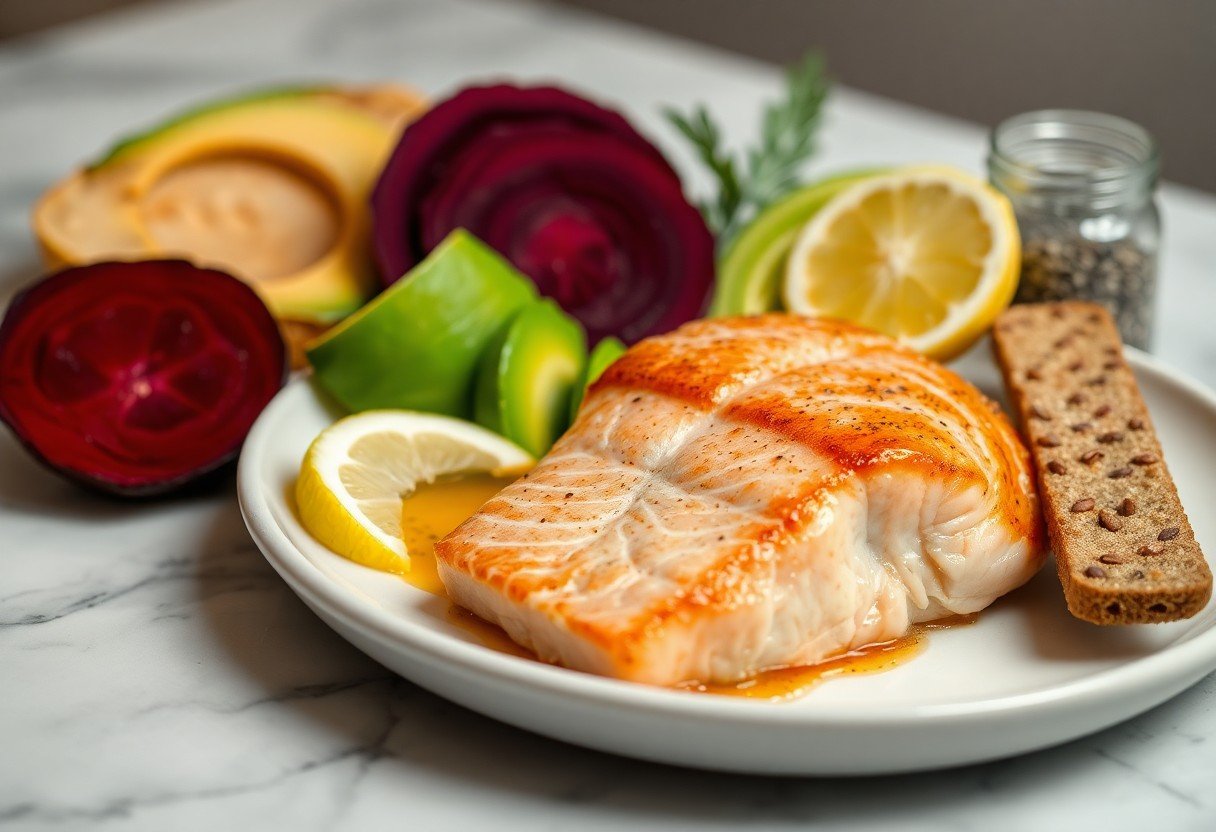
Healthy fats improve artery elasticity by reducing inflammation and supporting endothelial function. You should favor monounsaturated and omega-3 fats to lower arterial stiffness and protect against plaque buildup. Limit saturated and trans fats that cause atherosclerosis.
Monounsaturated Fats from Avocados and Olive Oil
Avocados and olive oil supply monounsaturated fats that improve endothelial function and raise HDL. You can replace butter with these to reduce LDL and maintain arterial flexibility.
The Impact of Nuts and Seeds on Lipid Profiles
Nuts and seeds deliver omega‑3s, fiber, and plant sterols that lower LDL and inflammation. You should eat a handful daily, but watch portions because of high calorie density and allergy risks.
Expanded guidance: You should prioritize walnuts for alpha‑linolenic acid (ALA), almonds for LDL reduction, and flax or chia seeds for plant-based omega-3s; you will see lower triglycerides, less inflammation, and modest rises in HDL. Aim for about 1 ounce (a small handful) daily, avoid heavily salted or sugared varieties, and watch portions because of calorie density and possible allergic reactions.
Culinary Strategies for Nutrient Retention
You should favor low-heat, brief cooking to keep antioxidants and heart-protective compounds intact; steam, quick-roast, or serve raw when safe. See 10 Foods That Can Prevent Clogged Arteries | Hartford … for evidence-based choices.
Low-Heat Cooking Methods to Prevent Glycation
Use steaming, poaching, and slow-simmering to limit glycation and preserve protein integrity; these methods reduce formation of artery-damaging AGEs while keeping nutrient density high.
Enhancing Bioavailability with Smart Food Pairing
Pair vitamin C sources with plant iron and healthy fats with carotenoid-rich vegetables so you absorb more nutrients; choose olive oil, citrus, and fresh herbs to boost arterial benefits.
Combine iron-rich plants like lentils and spinach with vitamin C sources such as bell peppers or lemon to markedly increase your iron absorption; add a drizzle of olive oil when you serve carrots, tomatoes, or sweet potatoes to unlock carotenoids. Use a pinch of black pepper with turmeric to raise your curcumin uptake, and keep tea or coffee away from meals because tannins can inhibit iron absorption.
Conclusion
Drawing together the best meal-rich in oily fish, leafy greens, whole grains, nuts, and olive oil-you reinforce your arterial health, lower inflammation, improve cholesterol balance, and support blood flow when consumed regularly as part of a balanced diet.
FAQ
Q: What is the best meal to clean your arteries?
A: No single meal will instantly “clean” arteries, but meals that combine soluble fiber, unsaturated fats, antioxidants, and long-chain omega-3 fatty acids support arterial health and slow plaque progression. Dietary patterns such as the Mediterranean or DASH diet, followed consistently, produce the greatest benefit across lipid levels, inflammation markers, and endothelial function. A focus on whole foods and minimal processed foods yields measurable improvements in cardiovascular risk factors over time.
Q: Which specific foods should be included to support artery health?
A: Oily fish such as salmon, mackerel, sardines, and trout provide EPA and DHA that lower triglycerides and improve endothelial function. Whole grains and oats supply soluble fiber (beta-glucan) that helps reduce LDL cholesterol. Nuts and seeds, including walnuts, almonds, flaxseed, and chia, add healthy fats, fiber, and plant-based omega-3s. Extra-virgin olive oil delivers monounsaturated fats and polyphenols that support vascular function. Leafy greens and beets contain dietary nitrates that improve blood flow. Berries, citrus fruits, and colorful vegetables supply polyphenols and vitamin C that reduce oxidative stress. Legumes and beans offer soluble fiber and plant protein that lower LDL. Garlic and onion contain compounds that modestly reduce blood pressure and platelet activity. Limit saturated and trans fats and excess refined carbohydrates, which worsen lipid profiles and promote plaque formation.
Q: Can you provide a specific example meal that promotes arterial health?
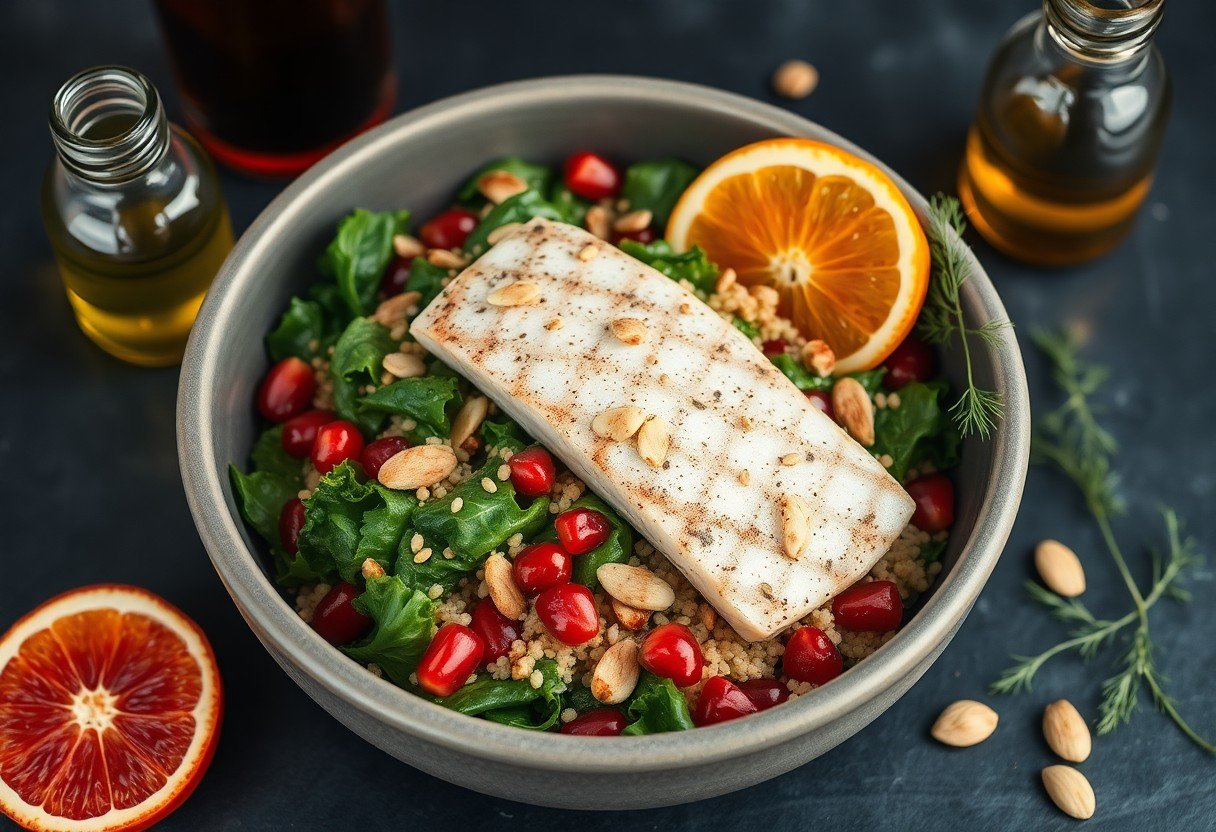
A: Example meal: oven-baked salmon (4-6 oz) seasoned with lemon and dill, a side of quinoa mixed with rolled oats (about 1/2 cup cooked each), sautéed spinach or kale (1 cup cooked), and a mixed berry-walnut salad dressed with 1 tablespoon extra-virgin olive oil and lemon juice. Serve this type of meal 3-5 times per week as part of a varied diet that includes legumes, whole grains, and vegetables on other days. Simple preparation tips include roasting or grilling fish, steaming greens, and using herbs and citrus instead of heavy sauces or excess salt.
Q: How long does it take for diet to improve arterial health or reduce plaque?
A: Arterial health changes over months to years; blood lipid improvements are often detectable within 4-12 weeks of consistent dietary change. Clinical trials of Mediterranean-style diets show reduced progression of atherosclerosis and lower rates of cardiovascular events when diet is combined with physical activity, weight control, and smoking cessation. People with established cardiovascular disease should coordinate dietary changes with their cardiologist to interpret tests and manage therapy.
Q: Are there any safety concerns or interactions to be aware of?
A: People on anticoagulant or antiplatelet medications should consult their physician before starting high-dose fish oil or concentrated garlic supplements because these can increase bleeding risk. Individuals with seafood or nut allergies can choose alternatives such as flaxseed, chia, or algae-based omega-3 sources. Dietary changes support but do not replace prescribed lipid-lowering medications for high cholesterol; continue regular follow-up and laboratory monitoring. Registered dietitians and clinicians can create personalized meal plans that account for medications, allergies, and other health conditions.