
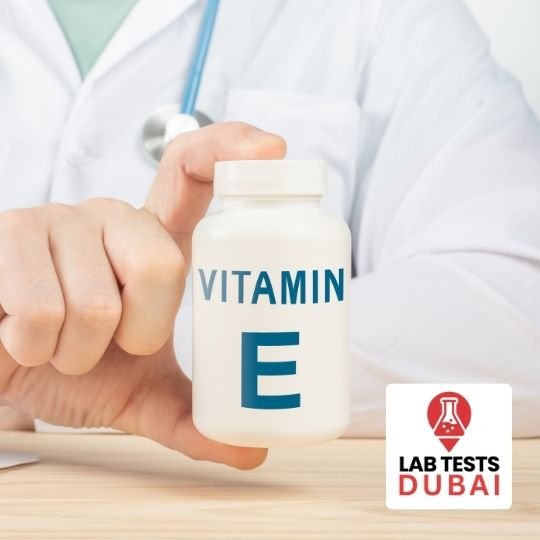
Vitamin E (Tocopherol) Serum Test
550,00 د.إ
The Vitamin E (Tocopherol) Serum Test is a premium diagnostic tool that moves beyond general wellness trends to give you hard, biochemical data.
Sample Type : Serum
Methodology : HPLC – High Performance Liquid Chromatography
TAT : 10 Days
Description
Vitamin E (Tocopherol) Serum Test – Antioxidant-Rich HPLC-Tested Supplement for Skin Health, Immune Support, and Cardiovascular Wellness
In the modern quest for longevity and vitality, we often obsess over the latest superfoods or expensive skincare serums. Yet, the most powerful anti-aging agent might already be circulating in your blood, or dangerously absent from it.
Vitamin E (scientifically known as tocopherol) is the body’s primary fat-soluble antioxidant. It is the shield that protects your cell membranes from the relentless assault of oxidative stress and free radicals. But because it is fat-soluble, it operates in a complex balance within your body, stored in your liver and fat tissues, requiring precise absorption to be effective.
How do you know if your body’s defenses are holding up? You don’t guess. You measure.
The Vitamin E (Tocopherol) Serum Test is a premium diagnostic tool that moves beyond general wellness trends to give you hard, biochemical data. Using High-Performance Liquid Chromatography (HPLC), the gold standard in laboratory analysis, this test reveals exactly whether your antioxidant levels are sufficient to protect your skin, your heart, and your nervous system.
More Than Just Skin Deep
Most people associate Vitamin E with skincare, and for good reason: it protects the lipid barrier of the skin, fighting off the environmental damage that leads to dryness and wrinkles. But its role extends far deeper.
Vitamin E is essential for:
- Immune Defense: It enhances the function of immune cells, helping your body ward off infections.
- Cardiovascular Health: It prevents the oxidation of LDL cholesterol (the “bad” cholesterol), a key step in the development of heart disease.
- Neurological Protection: It protects the fatty sheaths (myelin) that cover our nerves, ensuring smooth communication between the brain and the body.
When your levels are low, these critical systems are left vulnerable.
The Silent Signals of Deficiency
Vitamin E deficiency is not always dramatic. It often whispers rather than shouts. You might attribute the symptoms to stress, aging, or “just having an off year.”
However, if you are experiencing any of the following, your body may be signaling a need for more tocopherol:
- Skin Changes: Dry, flaky skin that doesn’t respond to moisturizers, or premature wrinkling.
- Sensory Issues: Tingling, numbness, or a “pins and needles” sensation in your hands or feet (a sign of nerve impact).
- Visual Disturbances: Blurred vision or difficulty focusing.
- Muscle Weakness: Unexplained loss of strength or coordination difficulties (ataxia).
- Immune Fatigue: Catching every cold that goes around, or feeling a general, persistent malaise.
- Cardiovascular Red Flags: High blood pressure or cholesterol imbalances that are difficult to manage.
If this list resonates with you, a serum test is the only way to confirm if a nutrient deficiency is the root cause.
The Challenge of Absorption
Unlike some vitamins that are water-soluble and easily excreted, Vitamin E is fat-soluble. This means it requires dietary fat to be absorbed effectively and is stored in the body’s fatty tissues.
You might be eating plenty of nuts, seeds, and vegetable oils, nature’s richest sources of Vitamin E, but still be deficient if your body isn’t absorbing fats correctly. Conditions like celiac disease, cystic fibrosis, or general malabsorption syndromes can lead to severe depletion despite a “good” diet.
Furthermore, there is a delicate balance. Because Vitamin E is stored, it is possible to accumulate too much if you over-supplement, leading to its own set of health risks. This makes measuring your serum levels not just helpful, but necessary for safety and precision.
The Dangers of the “Wait and See” Approach
Ignoring low Vitamin E levels allows oxidative stress to run unchecked.
Oxidative stress is the biological equivalent of rust. Over time, it damages cells, proteins, and DNA. If a deficiency is left untreated:
- Aging Accelerates: Your skin and organs age faster due to unchecked free radical damage.
- Nerves Degenerate: The neurological symptoms (numbness, weakness) can become permanent.
- Heart Risk Increases: The protective effect against arterial plaque diminishes, raising the risk of cardiovascular events.
- Immunity Crumbles: Your body loses its resilience against pathogens.
Early detection allows you to correct course, adjusting your diet or supplementation under medical guidance, before the damage becomes irreversible.
The Gold Standard: HPLC Testing
Not all lab tests are created equal. When it comes to measuring fat-soluble vitamins, precision is paramount.
This test utilizes High-Performance Liquid Chromatography (HPLC). This sophisticated methodology separates the individual components of the serum to isolate and measure Vitamin E with extreme accuracy. It filters out “noise” from other blood components to give you a true reading of your tocopherol status.
Test Overview:
- Sample Type: Serum
- Methodology: High-Performance Liquid Chromatography (HPLC)
- Turnaround Time: 10 Days
This rigorous analysis ensures that you and your healthcare provider are making decisions based on data you can trust.
How to Prepare for Accuracy
Because Vitamin E is fat-soluble and circulates in lipid carriers, recent meals and supplements can temporarily spike your levels, leading to a skewed reading.
To ensure the most accurate results:
- Fast: Refrain from eating for 8–12 hours before the test. Water is usually permitted.
- Stop Supplements: Avoid taking Vitamin E supplements or multivitamins containing Vitamin E for at least 24 hours prior to the test.
- Consult: Always inform your provider about any medications you are taking.
Empower Your Health Strategy
Optimal health is about balance. It is about ensuring your internal environment has the resources it needs to fight off the external environment.
Whether you are looking to rejuvenate your skin, bolster your immune system for the winter ahead, or protect your heart and brain for the long haul, knowledge is your first step.
Don’t rely on guesswork to manage your antioxidant levels.
Book your lab test online now to schedule your Vitamin E (Tocopherol) Serum test today. Experience the precision of HPLC analysis and take the guesswork out of your wellness regimen.
Frequently Asked Questions – Vitamin E (Tocopherol) Serum Test
What does the Vitamin E (Tocopherol) Serum test measure?
This test measures the concentration of alpha-tocopherol, the most biologically active form of Vitamin E, in your blood serum. It assesses your antioxidant status, which is critical for protecting cell membranes from oxidative damage linked to aging, inflammation, and chronic disease.
Why test Vitamin E levels instead of just taking supplements?
Vitamin E is fat-soluble, excess amounts can accumulate and potentially cause harm (like increased bleeding risk). More importantly, many people don’t absorb it well due to digestive issues (e.g., Crohn’s, celiac, liver disease) or low-fat diets. Testing ensures you’re not deficient or over-supplementing, and that your body is actually utilizing it.
What are the signs of Vitamin E deficiency?
Symptoms include dry, rough skin; slow wound healing; muscle weakness; vision problems; frequent infections; and neurological issues like poor balance or numbness. Deficiency is more common in people with fat malabsorption disorders, very low-fat diets, or genetic conditions affecting lipid metabolism.
How is this test performed?
A simple blood draw is all that’s needed. The sample is analyzed using HPLC (High-Performance Liquid Chromatography), the gold standard method for accurately measuring tocopherol levels in serum, ensuring high precision and reliability.
Do I need to fast before the Vitamin E (Tocopherol) Serum test?
Yes. Since Vitamin E is fat-soluble, you should fast for 8–12 hours (water only) and avoid high-dose Vitamin E supplements for at least 24 hours before your blood draw to ensure an accurate baseline reading.
How soon will I get my results?
Thanks to HPLC methodology, results are typically available within 3–5 business days. You’ll receive a secure digital report with your Vitamin E level, reference range, and clinical interpretation, ideal for sharing with your doctor, nutritionist, or dermatologist.
Reviews
There are no reviews yet.