STD 4 Panel
450,00 د.إ| Tests Name | Methodology | TAT |
| STD 4 Panel (Real Time PCR)-Chlamydia Trachomatis, Mycoplasma Genitalium,Trichomonas Vaginalis, Neisseria Gonorrhoeae) | PCR | 1 Day |

Showing 17–29 of 29 results

| Tests Name | Methodology | TAT |
| STD 4 Panel (Real Time PCR)-Chlamydia Trachomatis, Mycoplasma Genitalium,Trichomonas Vaginalis, Neisseria Gonorrhoeae) | PCR | 1 Day |
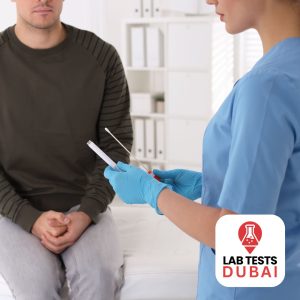
The STD 4 Panel (Real Time PCR) is a highly accurate molecular diagnostic test that simultaneously detects four common sexually transmitted infections: Chlamydia trachomatis, Mycoplasma genitalium, Trichomonas vaginalis, and Neisseria gonorrhoeae.
Sample Type : Dry Swab / Urine
Methodology : PCR
TAT : 1 Day
The STD 7 Panel (Real Time PCR) is a comprehensive diagnostic test that detects seven major sexually transmitted infections with high accuracy and speed. It identifies Chlamydia trachomatis, Mycoplasma genitalium, Treponema pallidum (syphilis), Ureaplasma urealyticum, Mycoplasma hominis, and Herpes Simplex Virus types I & II using advanced real-time PCR technology.
Sample Type : Dry Swab / Urine
Methodology : PCR
TAT : 1 Day
The STD 7 Panel is a comprehensive and confidential screening test that detects seven common sexually transmitted infections (STIs) in a single panel. It typically includes testing for Chlamydia, Gonorrhea, Syphilis, HIV (I & II), Hepatitis B, Trichomoniasis, and Herpes Simplex Virus (HSV I & II). Key features include accurate lab-based results, fast turnaround times, and discreet sample collection. This test is ideal for individuals seeking early detection, peace of mind, and proactive sexual health management. Its unique selling points include high sensitivity, broad coverage of major STIs, and private, hassle-free testing options.
| Tests Name | Methodology | TAT |
| STD 7 Panel (Real Time PCR)-Chlamydia Trachomatis, Mycoplasma Genitalium,Treponema Pallidum,Ureaplasma Urealyticum,Mycoplasma Hominis, HSV I&II | PCR | 1 Day |
| Tests Name | Methodology | TAT |
| STD 8 Panel (Real Time PCR)-Chlamydia Trachomatis, Mycoplasma Genitalium,Trichomonas Vaginalis,Ureaplasma Parvum,Ureaplasma Urealyticum,Mycoplasma Hominis, Neisseria Gonorrhoeae, Gardnerella Vaginalis | PCR | 1 Day |
The STD 8 Panel (Real Time PCR) is a comprehensive diagnostic test that detects eight common sexually transmitted pathogens: Chlamydia trachomatis, Mycoplasma genitalium, Trichomonas vaginalis, Ureaplasma parvum, Ureaplasma urealyticum, Mycoplasma hominis, Neisseria gonorrhoeae, and Gardnerella vaginalis. Utilizing advanced real-time PCR technology, it offers high sensitivity and specificity for accurate, early detection.
Sample Type : Dry Swab / Urine
Methodology : PCR
TAT : 1 Day
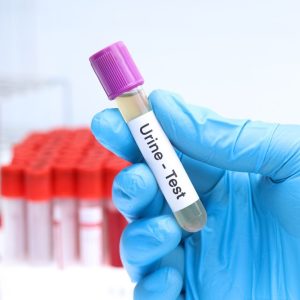
Our STD 8 Panel Test provides an extensive and rapid screening for eight significant sexually transmitted infections (STIs) through a urine sample. This test is ideal for those seeking a comprehensive analysis of their sexual health to ensure early detection and effective management of any infections.
Sample Type : Dry Swab / Urine
Methodology : PCR
TAT : 1 Day
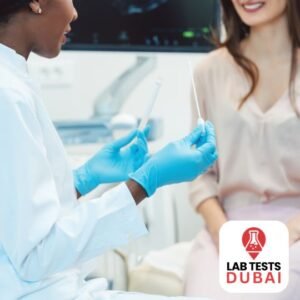
The Trichomonas Vaginalis STD PCR Test is a single-infection molecular screening. It uses PCR (Polymerase Chain Reaction) technology to detect the genetic material (DNA) of the Trichomonas vaginalis parasite.
Sample Type : Dry Swab / Urine
Methodology : PCR
TAT : 1 Day
STD PCR Single – Ureaplasma/Mycoplasma Lab Test is the only way to confirm their presence. By using Polymerase Chain Reaction (PCR) technology to detect their DNA, this test catches what standard screenings miss, ending the cycle of ineffective treatment.
Sample Type : Dry Swab / Urine
Methodology : PCR
TAT : 1 Day
Sample Type : Dry Swab / Urine
Methodology : PCR
TAT : 1 Day
The STD PCR Single – Mycoplasma Genitalium & Mycoplasma Hominis Test is a highly accurate molecular diagnostic tool designed to detect two common but often overlooked sexually transmitted infections.
Sample Type : Dry Swab / Urine
Methodology : PCR
TAT : 1 Day
Sexually transmitted diseases (STDs) are a significant public health concern, often presenting with mild or no symptoms, making early detection critical for your health and the wellbeing of others.