
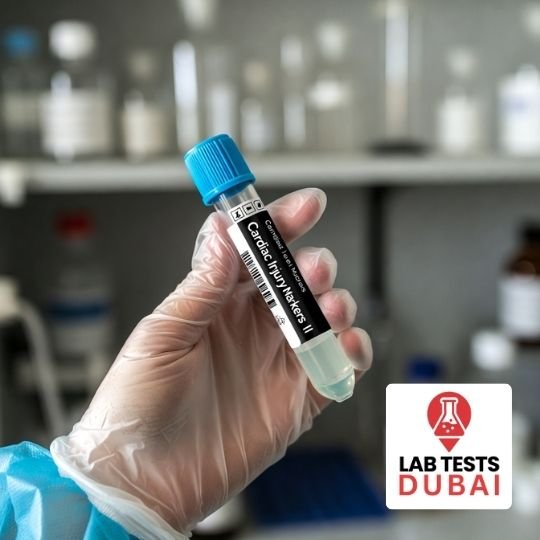
Cardiac Injury Markers II
920,00 د.إ
The CPK, CK-MB, Troponin I, Pro BNP, and LDH test is not just a blood test; it is a comprehensive diagnostic audit of your cardiovascular system.
Description
Cardiac Injury Markers II – CPK, CK-MB, Troponin I, Pro BNP, LDH Test
Your heart is an engine that runs silently, powering every breath, thought, and movement. But when it struggles, the consequences are often life-altering. For decades, chest pain was the primary warning sign we looked for. Today, modern medicine allows us to listen to the heart’s biochemical whispers long before a catastrophic event occurs.
The CPK, CK-MB, Troponin I, Pro BNP, and LDH test is not just a blood test; it is a comprehensive diagnostic audit of your cardiovascular system. By measuring a specific suite of biomarkers, this panel distinguishes between routine muscle strain, acute heart injury, and chronic heart failure, providing your doctor with the data needed to act fast.
Why This Panel Is Critical
Standard checkups monitor risk factors like cholesterol and blood pressure. Those are important, but they tell you what might happen. This panel tells you what is happening.
It is the gold standard for:
- Diagnosing Heart Attacks: Differentiating between a myocardial infarction and other causes of chest pain.
- Assessing Heart Failure: Identifying when the heart is under fluid overload and stress.
- Evaluating Muscle Damage: Determining if symptoms are cardiac or related to skeletal muscle injury.
When you are experiencing symptoms, time is muscle. This panel provides the speed and precision required to protect your heart.
The “Big Five” Biomarkers Explained
To understand the value of this test, you must understand the players involved. Each biomarker tells a different part of the story.
1. Troponin I: The Specific Alarm
Troponin I is a protein found almost exclusively in the heart muscle. When heart cells are damaged, they release Troponin into the bloodstream. It is the most specific marker for a heart attack. If this number is elevated, it is a definitive signal that the heart muscle has been injured.
2. CK-MB: The Cardiac Enzyme
Creatine Kinase-MB (CK-MB) is an isoenzyme found primarily in the heart. While Troponin is often the preferred marker, CK-MB remains vital for assessing the extent of a heart attack and monitoring for re-infarction.
3. Pro BNP: The Heart Failure Signal
B-type Natriuretic Peptide (Pro BNP) is a hormone released by the heart in response to stretching caused by fluid overload. Unlike Troponin, which signals injury (like a heart attack), Pro BNP signals stress and failure. High levels are a hallmark of congestive heart failure.
4. CPK (Total): The Energy Meter
Creatine Phosphokinase (CPK) is an enzyme found in the heart, brain, and skeletal muscles. It helps us understand the body’s overall energy production and muscle health. It helps doctors differentiate between heart pain and pain from a strained chest wall or intense exercise.
5. LDH: The General Marker
Lactate Dehydrogenase (LDH) is an enzyme released during tissue damage. While less specific than Troponin, it remains a useful marker for tracking the progression of cell injury over time.
Who Needs This Test?
This panel is essential for anyone experiencing the “red flags” of cardiac distress. You should consider this test if you have:
- Chest Pain or Discomfort: Especially if it feels like pressure, squeezing, or fullness.
- Shortness of Breath: Particularly if it occurs during rest or minimal exertion.
- Unexplained Fatigue: Severe tiredness that interferes with daily activities.
- Physical Swelling: Edema in the legs, ankles, or feet, indicating fluid retention.
- Irregular Heartbeat: Palpitations or a fluttering sensation in the chest.
- Risk Factors: A history of high blood pressure, heart disease, or unexplained muscle pain.
The Cost of Silence
Ignoring the symptoms of heart dysfunction is a dangerous gamble. Untreated heart conditions can lead to a cascade of severe complications:
- Permanent Muscle Damage: The heart muscle does not regenerate like other tissues. Delayed treatment of a heart attack leads to scar tissue and permanent weakness.
- Heart Failure: Untreated stress on the heart can lead to chronic heart failure, where the heart can no longer pump enough blood to meet the body’s needs.
- Life-Threatening Arrhythmias: Damaged heart tissue can disrupt the electrical signals, leading to sudden cardiac arrest.
Early detection through this comprehensive panel allows for interventions that can stop damage in its tracks, preserving your heart function and your life.
How to Prepare for the Test
Accuracy is paramount, and preparation is simple. The most important thing you can do is respect the physiology of the markers.
- No Fasting Required: You do not need to fast before this test.
- Avoid Strenuous Exercise: For 24 hours prior to the test, avoid heavy workouts. Strenuous exercise naturally elevates CPK and LDH levels in the blood, which could temporarily skew your results and mask heart issues.
- Medication Disclosure: Inform your healthcare provider about all medications and supplements you are taking.
- Hydration: Drink water as normal to ensure the blood draw is smooth.
What to Expect
- Sample Type: A simple blood draw.
- Methodology: Advanced laboratory analysis.
- Turnaround Time: Results are typically available within 24 to 48 hours.
Take Control of Your Heart Health
Your heart speaks to you every day—through your energy levels, your breathing, and your stamina. If it is trying to tell you something is wrong, listen.
The CPK, CK-MB, Troponin I, Pro BNP, and LDH test offers the clarity you need. It eliminates guesswork and provides a scientific foundation for your treatment plan. Whether you are managing a known condition or investigating new symptoms, this panel is your first line of defense.
Don’t wait for symptoms to escalate. Book your comprehensive cardiac panel today and invest in the most important muscle in your body.
Frequently Asked Questions – Cardiac Injury Markers II
What markers are included in this panel?
This advanced cardiac panel measures three key biomarkers:
– High-Sensitivity Troponin I (hs-cTnI): The gold standard for detecting heart muscle injury
– CK-MB (Creatine Kinase-MB): Indicates heart-specific muscle damage
– Myoglobin: An early marker of muscle injury (cardiac or skeletal)
Together, they provide a sensitive and time-resolved assessment of acute cardiac events.
When should this test be done?
This test is critical if you experience:
– Chest pain, pressure, or tightness
– Pain radiating to the arm, neck, or jaw
– Shortness of breath, nausea, or cold sweats
– Unexplained fatigue or dizziness
It’s used in emergency settings to rule in or rule out acute myocardial infarction (heart attack) and monitor ongoing cardiac stress.
Why test all three markers instead of just Troponin?
While Troponin I is highly specific to heart muscle, it may take 3–6 hours to rise after injury. Myoglobin appears within 1–2 hours (though not heart-specific), and CK-MB peaks at 12–24 hours, helping track the timing and extent of damage. Using all three improves diagnostic accuracy, especially in early or borderline cases.
Do I need to fast before the test?
No fasting is required. In urgent cardiac evaluation, blood is drawn immediately regardless of food intake. However, avoid strenuous exercise before testing, as it can elevate CK-MB and myoglobin from skeletal muscle breakdown.
How soon will I get my results?
Thanks to high-sensitivity immunoassay methodology, results are typically available within 1–2 hours in emergency settings. For non-urgent cases, results are usually ready within 24 hours. You’ll receive a detailed report with all values and clinical interpretation.
Can this test predict future heart attacks?
No. This panel detects active or recent heart muscle injury, it’s not a predictive screening tool. For long-term risk assessment, consider our Cardiac Risk Profile (including lipid panel, hs-CRP, Lp(a), and homocysteine).

Reviews
There are no reviews yet.