
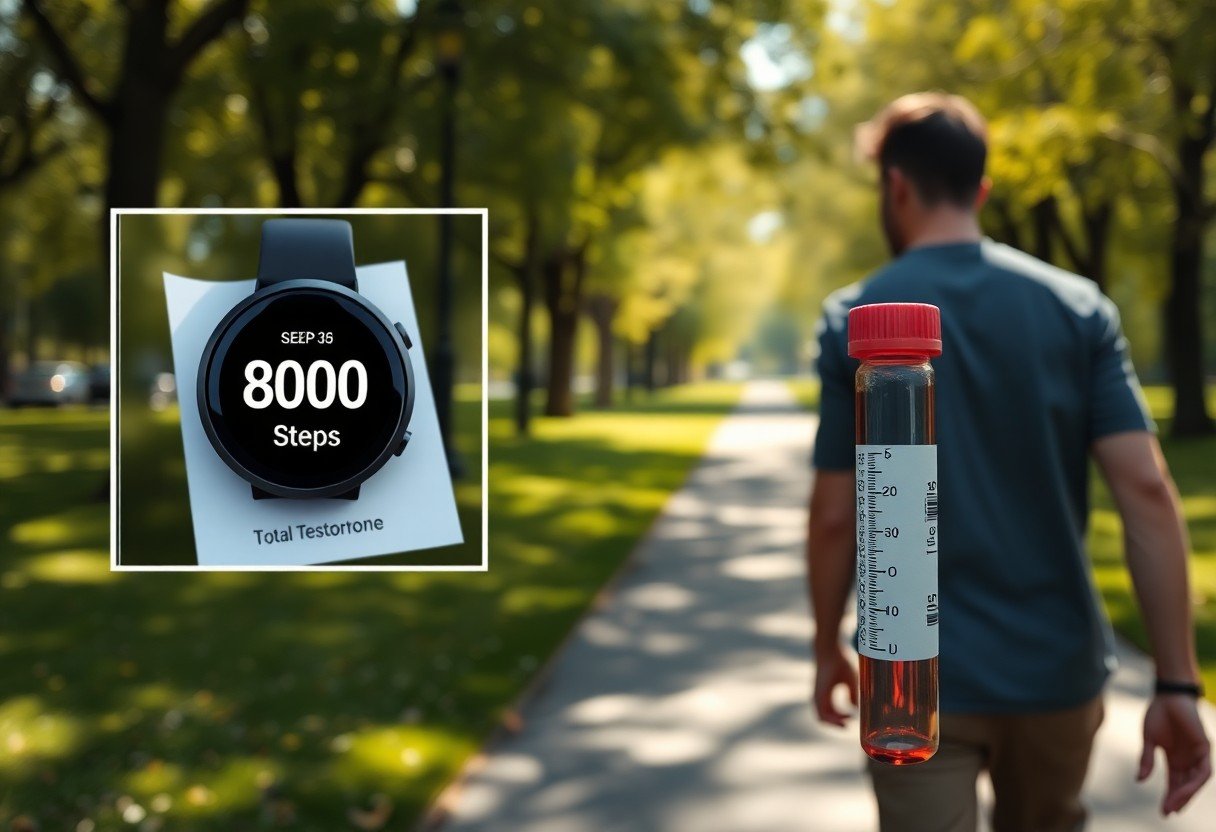
What Happens to Your Testosterone When You Walk 8000 Steps Daily
Many studies show walking 8000 steps daily helps regulate testosterone by lowering stress and body fat; consistent moderate walking can support healthy testosterone, while excessive endurance training may suppress hormone levels. You should balance intensity, sleep, and diet.
The Biological Link Between Physical Activity and Androgens
Exercise modulates androgen levels through central and peripheral pathways: you get changes in GnRH/LH pulsatility, reduced adiposity and inflammation, and altered insulin sensitivity that together can raise or lower testosterone, while chronic low T may signal overtraining or metabolic issues.
Mechanisms of the Hypothalamic-Pituitary-Gonadal Axis
Hypothalamic GnRH pulses determine LH release, so when you exercise moderately you support pulsatility that sustains Leydig cell stimulation; conversely, excess cortisol from intense stress suppresses LH and can reduce testosterone production.
How Low-Intensity Steady-State Exercise Stimulates Leydig Cells
Low-intensity steady-state walking increases testicular blood flow and improves insulin sensitivity, which helps Leydig cells make more testosterone, while lowering inflammation and adipose-driven aromatase activity supports net androgen availability.
Daily 8,000-step walking raises nitric-oxide-mediated testicular perfusion and reduces visceral fat, so you get greater cholesterol delivery for steroidogenesis, improved LH sensitivity, and lower aromatase-driven estrogen conversion; gains in testosterone are usually modest but meaningful, whereas chronic overtraining or high cortisol will blunt these benefits.
Why 8,000 Steps is the Hormonal “Sweet Spot”
Walking 8,000 steps daily gives you a practical balance: enough movement to support healthy testosterone without overtraining. One study (Association of daily step count and serum testosterone among men) links higher step counts to better serum testosterone profiles.
Breaking the Sedentary Barrier to Prevent Testosterone Decline
Sitting for hours lowers your testosterone trajectory; adding walks to reach 8,000 steps interrupts that pattern. Short, frequent movement breaks reduce the risk of hormonal decline and improve daily energy and libido.
Comparative Analysis: Sedentary Lifestyles vs. Active Daily Movement
Contrast a sedentary day with one where you hit 8,000 steps: sedentary routines often mean lower serum testosterone and higher metabolic risk, while regular movement supports hormonal balance, mood, and weight control.
Examining the differences shows you how daily activity shifts endocrine health: sedentary behavior correlates with reduced testosterone and greater metabolic danger, whereas reaching ~8,000 steps supports higher testosterone, better mood, and improved insulin sensitivity.
Comparative Outcomes
| Sedentary | Active (≈8,000 steps) |
|---|---|
| Lower testosterone; increased fat, low energy | Higher testosterone; improved mood, sustained energy |
| Worse insulin sensitivity; higher cardiovascular risk | Better insulin sensitivity; reduced metabolic risk |
Impact on Body Composition and Estrogen Conversion
Walking 8,000 steps daily reduces fat mass, lowering aromatase conversion and helping you retain more free testosterone; pairing this with resistance work and good diet increases the positive hormonal impact.
Reduction of Adipose Tissue and Aromatase Activity
Reducing visceral fat through daily walking lowers aromatase, so you convert less testosterone to estrogen; expect improved free testosterone over time.
Improving Insulin Sensitivity to Support Total Testosterone Levels
Better insulin sensitivity from walking helps stabilize SHBG and testosterone metabolism, so you maintain higher total testosterone and reduced hormonal disruption.
Consistent daily walking improves insulin action, lowering fasting insulin and reducing SHBG suppression, which helps preserve total testosterone; if you have obesity or prediabetes the effect is clinically meaningful, and combining walking with diet, weight loss, and resistance training amplifies hormonal gains while cutting cardiovascular risk.

Cortisol Regulation and the Stress-Testosterone Balance
Cortisol spikes when you face chronic stress, and high cortisol can suppress testosterone; walking 8,000 steps daily helps moderate stress responses and preserve androgen production.
Mitigating the Inhibitory Effects of Chronic Stress
You can blunt cortisol surges by keeping walks consistent, improving sleep, and practicing brief breathwork, which lowers chronic stress that otherwise inhibits testosterone.
The Role of Outdoor Movement in Lowering Systemic Inflammation
Walking outdoors for your 8,000 steps exposes you to sunlight, fresh air and gentle activity that reduce inflammatory cytokines and support testosterone-friendly physiology.
Sunlight-driven vitamin D synthesis during outdoor walks combined with movement lowers markers like CRP and IL-6, which helps you maintain higher free testosterone over time.
Enhancing Sleep Architecture for Peak Testosterone Production
Walking 8,000 steps daily improves your sleep continuity and increases the share of slow-wave sleep, which helps boost your morning testosterone; check What 8000 Steps a Day REALLY Do to Your Testosterone for practical tips to make steps count toward recovery.
Relationship Between Daily Step Counts and Deep Sleep Quality
Higher step totals push you toward deeper, consolidated sleep, increasing slow-wave activity that supports testosterone and reducing nighttime awakenings which erode hormonal recovery.
Nocturnal Testosterone Synthesis and Circadian Rhythm Alignment
Night timing of your activity shifts circadian phase, so you benefit from walking earlier to align nocturnal testosterone peaks with sleep; misaligned timing can blunt overnight synthesis.
Aligning your step schedule with daylight helps anchor your suprachiasmatic nucleus and stabilise nocturnal LH pulses that drive testosterone production. You should prioritize consistent daytime activity and early-evening wind-down because late-night exertion or screen exposure can suppress overnight synthesis, while steady daytime movement helps preserve peak hormonal recovery during sleep.
Strategic Implementation for Maximum Endocrine Benefit
Plan daily 8,000-step walks around your schedule, pairing consistent pacing with occasional faster bouts, short resistance sessions, and adequate sleep to support hormonal recovery. This approach helps maintain testosterone while avoiding the testosterone suppression that can follow prolonged fatigue or overtraining.
Optimizing Walking Intensity and Frequency
Vary walking intensity across the week: include brisk 10-20 minute intervals to trigger acute hormonal responses, plus steady-paced walks for recovery. Keep frequency consistent and watch for signs of excess fatigue to protect testosterone levels.
Synergistic Effects of Sunlight Exposure During Daily Walks
Time midday or morning walks to combine movement with natural vitamin D production; short exposure can support testosterone and mood, but avoid prolonged sun to prevent sunburn and long-term skin risk.
Exposure to midday sun provides UVB that helps your skin produce vitamin D, which has been correlated with healthier testosterone levels; short, regular sessions of about 10-30 minutes for exposed arms and legs are often sufficient depending on your skin tone. After brief unprotected exposure apply sunscreen or cover up to avoid sunburn and reduce long-term skin cancer risk. Sunlight also stabilizes circadian cues and boosts mood, both of which support endocrine balance, so choose timing and duration that increase benefit while minimizing harm.
Final Words
Upon reflecting, you see that walking 8,000 steps daily supports steady testosterone by improving sleep, lowering stress, and aiding healthy body composition without heavy endurance strain. Moderate, consistent activity helps maintain hormonal balance while extreme volume or insufficient recovery can reduce levels.
FAQ
Q: What immediate effect does walking 8,000 steps daily have on testosterone?
A: Moderate brisk walking causes small, short-lived rises in total testosterone immediately after activity, but these spikes are much smaller than those produced by resistance training or high-intensity interval training. Most people return to baseline within hours, so a single walking session rarely changes morning fasting testosterone values.
Q: Can walking 8,000 steps per day increase testosterone long-term?
A: Consistent daily walking that produces fat loss and improves insulin sensitivity can raise total and free testosterone over weeks to months. Weight loss lowers aromatase activity in adipose tissue and can reduce sex hormone-binding globulin, increasing bioavailable testosterone. Combining walking with resistance training and adequate protein generally produces larger hormonal gains than walking alone.
Q: Could walking 8,000 steps lower testosterone?
A: Walking 8,000 steps per day is unlikely to suppress testosterone by itself. Testosterone suppression typically appears with very high-volume endurance training, prolonged energy deficit, or chronic sleep deprivation. Overtraining or extreme calorie restriction combined with long-duration activity can reduce luteinizing hormone and testosterone.
Q: How do age, weight, and walking intensity influence testosterone response?
A: Age, body fat percentage, baseline fitness, and walking intensity determine individual testosterone responses. Older men and people with higher adiposity often experience larger hormonal improvements when walking leads to meaningful fat loss. Brisk pace, incline, or intervals increase metabolic stress and tend to produce stronger testosterone-related benefits than slow, casual walking.
Q: What practical steps maximize testosterone benefits from daily walking?
A: Aim for a brisk pace that reaches moderate intensity and hit 8,000 steps most days while adding 2-3 resistance workouts weekly to maximize testosterone effects. Ensure adequate calories and protein, prioritize quality sleep, and manage stress to avoid hormonal setbacks. Test morning total and free testosterone after several weeks of consistent exercise to monitor changes.