Simple Steps To Understand What Is STD Test And Why It Matters
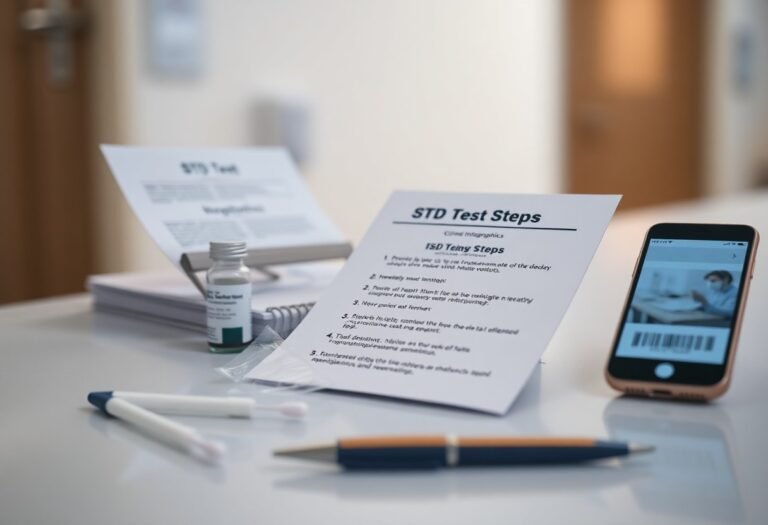
With a simple, confidential test you can detect sexually transmitted infections early and protect your health; untreated STDs can cause infertility, organ damage, or increase HIV risk, so understanding what tests detect, when to test, and how samples are taken empowers you to act; early testing allows effective treatment and peace of mind, and many tests are quick, accurate, and confidential.
Key Takeaways:
- STD tests identify sexually transmitted infections (chlamydia, gonorrhea, syphilis, HIV, HPV, herpes) using blood, urine, swabs, or physical exams.
- Testing frequency depends on risk factors-new or multiple partners, unprotected sex, or symptoms-and routine screening is recommended for many sexually active people.
- Most tests are quick, confidential, and available at clinics, doctors’ offices, and through some reliable at-home kits.
- Early detection enables effective treatment, prevents complications (infertility, chronic illness), and reduces transmission to partners.
- Combining testing with open partner communication, consistent condom use, and vaccinations (HPV, hepatitis B) lowers STI risk.
What Is an STD Test?
You undergo an STD test to detect infections like chlamydia, gonorrhea, HIV, and syphilis by analyzing urine, blood, or swab samples; NAAT/PCR tests exceed 95% sensitivity for many bacterial STIs, while antibody tests reveal exposure after weeks, and rapid tests can return results in 15-30 minutes. You use results to guide treatment and prevent complications such as pelvic inflammatory disease or progressive HIV.
Definition of STD Tests
You get laboratory analyses that either identify the pathogen (via NAAT/PCR or culture) or detect the immune response (via antibody or antigen tests); turnaround varies from minutes for point-of-care assays to several days for cultures. You interpret positive findings to initiate targeted therapy and public-health actions to limit transmission.
Types of STD Tests
Testing categories include molecular NAAT/PCR, culture, antigen detection, antibody serology, and rapid point-of-care assays; NAAT is preferred for genital and extragenital chlamydia/gonorrhea, culture guides antibiotic selection for resistant gonorrhea, and serology monitors syphilis and past exposures to viral infections.
- NAAT – detects pathogen DNA/RNA with high sensitivity for chlamydia and gonorrhea.
- Blood test – used for HIV, syphilis, and hepatitis screening.
- Swab – collected from genital, oral, or rectal sites for site-specific detection.
- This rapid test gives point-of-care results for some HIV and antigen assays in minutes.
| NAAT / PCR | High sensitivity (>95%) for chlamydia and gonorrhea; ideal for urine and swabs. |
| Blood serology | Detects antibodies for HIV, syphilis, and hepatitis; useful for screening and staging. |
| Culture | Grows organisms to determine antibiotic resistance, important for gonorrhea treatment decisions. |
| Rapid antigen | Point-of-care detection with results in 15-30 minutes; helpful for immediate counseling and treatment. |
| Swab / urine | Site-specific sampling increases accuracy for throat, rectal, cervical, or urethral infections. |
You should plan testing around exposure timing: NAAT can detect bacterial infections within days, while HIV antibody tests may need 3-12 weeks to seroconvert and syphilis serology often becomes positive by 3-6 weeks; follow-up testing at recommended intervals reduces false negatives and ensures effective treatment if needed.
- Window period – the interval before a test reliably detects infection, often days to weeks.
- Follow-up testing – repeat at 2-12 weeks depending on exposure and test type.
- Resistance testing – culture identifies antibiotic-resistant gonorrhea strains to guide therapy.
- This partner notification process helps prevent reinfection and limits community spread.
| Window period | HIV antibodies: 3-12 weeks; NAAT detects earlier for some infections. |
| Recommended follow-up | Repeat testing at 2-12 weeks based on exposure and initial test type to confirm results. |
| Resistance detection | Cultures enable susceptibility testing for gonorrhea, guiding effective antibiotics. |
| Treatment implications | Positive results inform targeted antibiotics or antiviral regimens and reduce complications like infertility. |
| Public health | Reporting and partner services help contain outbreaks and protect sexual networks. |
Importance of STD Testing
Testing matters because undiagnosed infections are common: the CDC estimates nearly 20 million new STIs annually in the U.S., and about 1 in 5 people carry an STI. By getting tested you can identify asymptomatic infections like chlamydia or HPV, start treatment early, and prevent transmission to partners. Early detection also lets you access interventions-vaccination, antibiotics, antivirals-that significantly reduce long-term harm and transmission risk.
Health Implications
Many STIs cause silent damage: untreated chlamydia or gonorrhea can lead to pelvic inflammatory disease, increasing the risk of ectopic pregnancy and infertility, while high‑risk HPV strains drive almost all cases of cervical cancer. You should know that HIV, when treated early with antiretroviral therapy, can reach an undetectable viral load and effectively stop sexual transmission, so timely testing changes clinical outcomes.
Social and Emotional Considerations
Receiving a positive result often triggers anxiety, shame, or relationship strain; stigma leads many people to delay testing or disclosure. You may face difficult conversations with partners, but studies show open disclosure often improves support and treatment adherence. Anonymous or confidential services exist to protect your privacy while facilitating partner notification and reducing onward transmission.
Practical options can ease the burden: clinics offer counseling, anonymous partner notification, and in many places expedited partner therapy (EPT) for chlamydia/gonorrhea, which studies show can lower reinfection rates by roughly 20-30%. If you feel overwhelmed, ask about confidential testing, local support groups, or online counseling to help manage disclosure and follow-up care.
How Often Should One Get Tested?
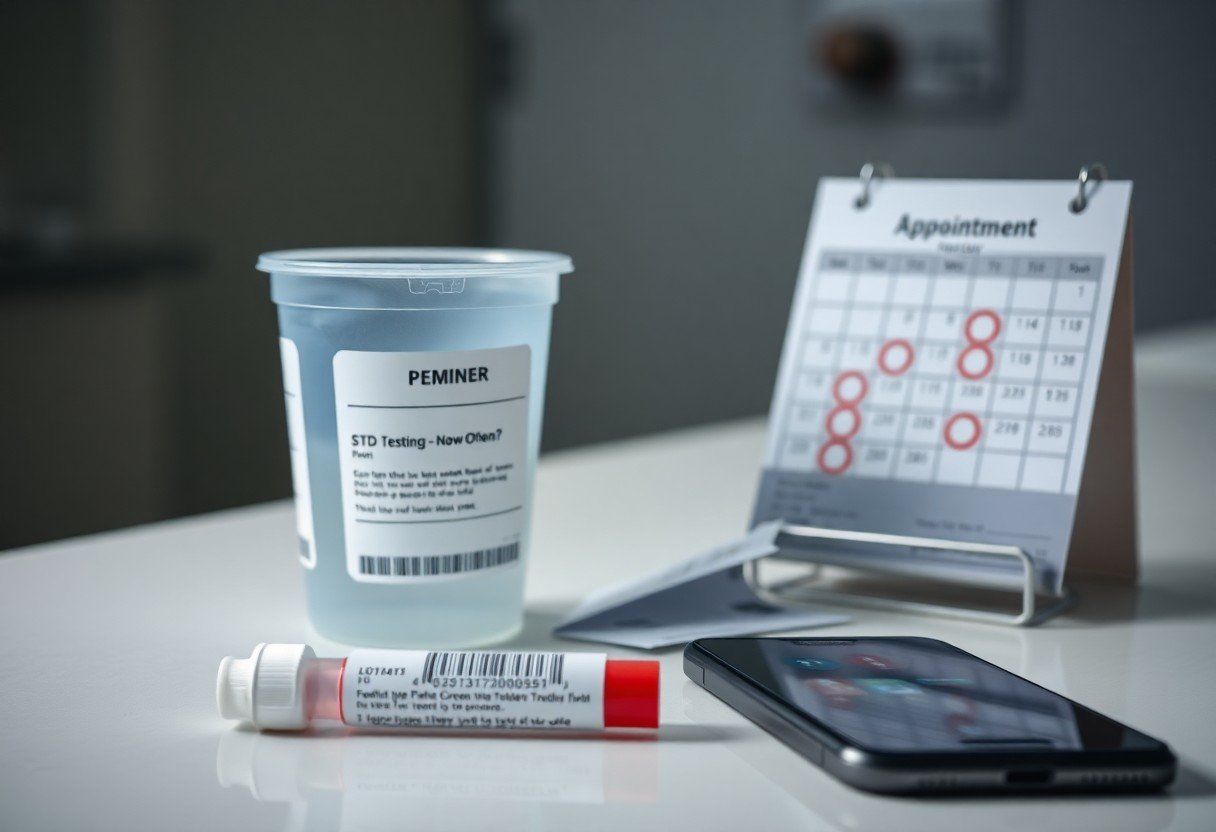
You should tailor testing to your sexual activity and exposures: annual screening may be adequate for a mutually monogamous relationship, while having new or multiple partners usually requires testing every 3 months. Get tested after condom failure, a known exposure, or when starting a new relationship. Many infections are asymptomatic, so routine testing prevents delayed diagnosis and serious complications like pelvic inflammatory disease or fertility loss.
Risk Factors
Specific behaviors and situations raise your risk and demand more frequent screening: multiple or anonymous partners, inconsistent condom use, sex work, receptive anal or oral sex, injection drug use, a partner with a known STI, or a recent STI diagnosis. Use these markers to decide testing cadence rather than assumptions. This raises your recommended testing to at least every 3 months or immediately after any suspected exposure.
- Multiple partners – higher chance of exposure when partners increase.
- Unprotected sex – condomless intercourse raises transmission risk per act.
- MSM (men who have sex with men) – suggested more frequent screening, including extragenital sites.
- Sex work – occupational exposure often requires routine quarterly testing.
- Injection drug use – bloodborne infections and overlapping sexual risk.
- Previous STI – history of infection increases short-term reinfection risk.
Recommended Testing Frequency
If you’re sexually active, follow risk-based intervals: test for HIV at least once and annually if low-risk, while chlamydia and gonorrhea screening is annual for sexually active people under 25 or more often with new partners. Those with higher exposure-MSM, sex workers, people with multiple partners, or people on PrEP-should test every 3 months. Pregnant people need testing at the first visit and additional testing if risk factors exist.
Consider specifics: extragenital NAATs for receptive oral or anal exposure, fourth-generation HIV antigen/antibody tests detect most infections within 2-6 weeks, and RNA tests can find infection earlier. If you have a recent exposure, test immediately and repeat at appropriate window periods (e.g., 2-12 weeks depending on the test). Many clinics offer confidential services, self-collected swabs, and rapid results to make frequent testing practical.
Preparing for an STD Test
You can speed accurate results by noting your last exposure date, listing symptoms, and bringing ID and insurance details; test sensitivity and windows vary-some NAAT assays pick up infections early while HIV antibody tests may require weeks. Review options at STD testing: What’s right for you?
- ID and insurance
- Last exposure date and recent symptoms
- Medication list and prior test results
- After testing, ask about result timing and next steps
What to Expect During the Test
You may provide a urine sample, submit a swab from the genital area or throat, or have blood drawn; a pelvic exam could be needed for women. Typical visits run 10-30 minutes; NAAT detects chlamydia/gonorrhea, while rapid HIV tests can return results in ~20 minutes. If results are positive, your provider will outline treatment and partner-notification options.
Tips for Preparation
You should avoid sex for 24-48 hours before a urine NAAT, skip douching or vaginal creams for 24-48 hours, and refrain from topical treatments before swabs; bring a list of medications, dates of prior tests, and your ID. Clinics rarely require fasting; check privacy and cost policies if you have billing concerns.
If you take PrEP, are pregnant, or have higher risk behaviors, tell your provider so they order specific panels (HIV, syphilis, hepatitis B); some people are advised to test every 3 months while others test annually. Note recent antibiotics, and seek clinics that offer same-day treatment for chlamydia and gonorrhea when available.
- Bring ID and insurance info
- Record exposure date and symptoms
- Avoid sex and douching 24-48 hours before
- After testing, follow up promptly on positive results and treatment

Interpreting STD Test Results
When your results arrive, focus on the test type and timing: nucleic acid amplification tests (NAATs) for chlamydia/gonorrhea have >95% sensitivity, HIV antigen/antibody tests detect most infections by about 18-45 days, and nucleic acid tests can detect HIV as early as 10-33 days. A negative result within the window period can be a false negative, while a positive result usually triggers confirmatory testing and prompt management to prevent complications and transmission.
Understanding Positive and Negative Results
If a test is positive, you’ll often need a confirmatory assay-HIV positives require a second, different test (antibody/antigen differentiation or NAT), and syphilis uses both treponemal and non-treponemal tests to stage disease; treponemal tests often stay positive for life. If a test is negative but exposure was recent (for example, under 4-6 weeks), plan repeat testing at recommended intervals like 3 months for HIV if initial testing was early.
Follow-Up Actions
After a positive result, you should expect linkage to care, partner notification, and public-health reporting when required; for HIV, confirmatory testing and rapid initiation of antiretroviral therapy is standard, and for syphilis you’ll need staged treatment and serial RPR titers to monitor response. Also arrange retesting-chlamydia/gonorrhea retest at about 3 months to detect reinfection, and syphilis RPR checks at 6 and 12 months.
For practical steps: get confirmatory tests within days for HIV and syphilis, inform recent partners (commonly those from the last 60 days for gonorrhea/chlamydia), and start treatment promptly-current guidance for uncomplicated gonorrhea recommends ceftriaxone 500 mg IM (1 g if ≥150 kg), while chlamydia is typically treated with doxycycline 100 mg twice daily for 7 days; follow-up testing schedules differ by infection and pregnancy status, so coordinate with your provider and local health department for exact timing and reporting requirements.
Where to Get Tested
When you need testing, options include community clinics, Planned Parenthood (about 600 U.S. health centers), urgent care, ERs for severe symptoms, private labs, and FDA‑approved at‑home kits like the OraQuick HIV test. Many public health departments offer free or low-cost and confidential services; you can often get same-day tests for chlamydia, gonorrhea, HIV, and syphilis at many sites.
Testing Locations
Community health centers, family planning clinics, and college health centers are common sites, while private labs such as Quest and Labcorp process blood and NAAT samples; telehealth services now deliver test kits and results online. The CDC recommends annual screening for sexually active women under 25, so you can check campus or local clinic schedules for routine testing and screening events.
Accessibility and Resources
Many clinics offer evening/weekend hours, language interpreters, and sliding‑scale fees; mobile testing vans serve rural areas and community events. In many states, minors can consent to STI testing without parental approval, and some departments provide anonymous tests-so you can access services discreetly and without upfront cost barriers.
Use the CDC testing locator, Planned Parenthood’s finder, or your state health department site to find nearby services and confirm hours. At‑home HIV tests typically cost about $40, but many clinics provide free testing if you’re uninsured or on Medicaid; if you have symptoms or a known exposure, seek same‑day testing because untreated infections can cause infertility or systemic disease.
Conclusion
To wrap up, understanding what an STD test is and why it matters helps you protect your health, make informed decisions, and access timely treatment; getting tested regularly, discussing risks with partners, and following medical guidance reduces complications and supports public health, so you should view testing as a responsible part of your sexual care.
FAQ
Q: What is an STD test and how does it detect infections?
A: An STD (sexually transmitted disease) test checks for infections transmitted through sexual contact by analyzing blood, urine, swabs, or physical exams. Different tests detect pathogens directly (culture, NAAT/PCR) or the body’s response (antibody tests). Some tests give rapid results in minutes to hours; others require lab processing and take several days. Timing after exposure (the window period) affects accuracy, so the type of test and when it’s done determine how reliable the result is.
Q: Who should get tested and how often should testing happen?
A: People who are sexually active, have new or multiple partners, or have symptoms should get tested; pregnant people, men who have sex with men, and those with a history of STDs also need regular screening. General guidance includes at least annual screening for many sexually active individuals and more frequent testing (every 3-6 months) for higher-risk behaviors or populations. Your clinician can tailor frequency based on your sexual history, local prevalence, and specific exposures.
Q: What steps will I experience when I go for an STD test?
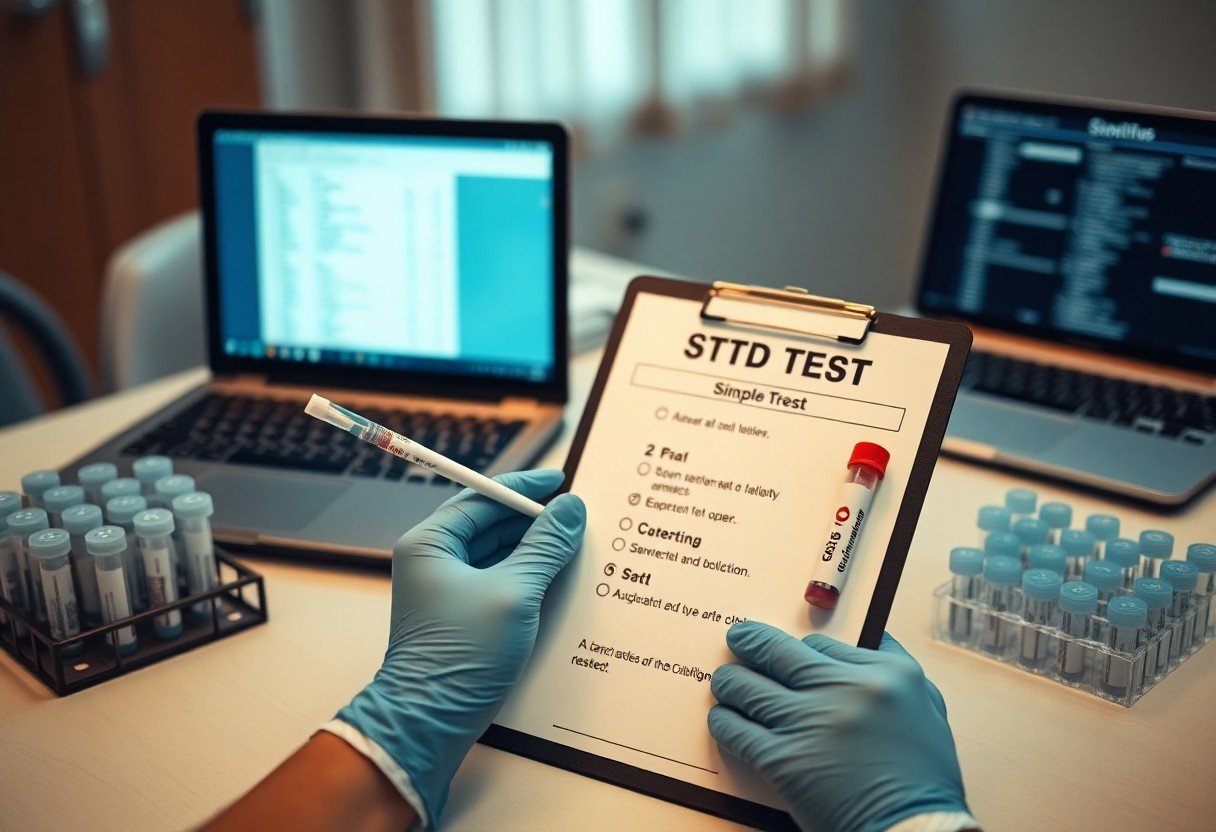
A: Typical steps include scheduling or walking into a clinic, answering questions about sexual history, giving informed consent, and providing a sample-urine, blood, or a swab from the genital, throat, or rectal area-or receiving a physical examination. Some clinics offer rapid tests or self-collected swabs; others send samples to a lab. After testing, clinics explain expected turnaround time, confidentiality policies, and how you will receive results and follow-up care if needed.
Q: How should I interpret test results, and what actions follow a positive or negative result?
A: A negative result usually means no infection was detected at the time of testing, but it can be affected by the window period; repeat testing may be advised if exposure was recent. A positive result indicates infection and typically prompts treatment-antibiotics for bacterial infections (like chlamydia or gonorrhea) or antiviral and long-term management for viral infections (like herpes or HIV)-plus partner notification and counseling. Confirmatory tests, follow-up testing after treatment, and guidance on when to resume sexual activity are standard parts of care.
Q: Why does getting tested for STDs matter for individual and public health?
A: Testing identifies infections early so they can be treated to prevent complications (infertility, pregnancy problems, systemic illness) and to reduce the chance of passing infections to partners. Widespread testing supports early linkage to care, lowers community transmission, and informs public health responses and prevention programs. Knowing your status also helps you make safer sexual-health decisions and reduces stigma when testing and treatment are normalized.