UAE Health Statistics 2026: Blood Tests, Diabetes & Lab Diagnostics Data
The UAE has one of the highest rates of lifestyle-related chronic diseases in the world. This data resource compiles the most important UAE health statistics relevant to laboratory diagnostics, blood tests, and preventive health screening in Dubai and the wider Emirates.
Sources: WHO, UAE Ministry of Health and Prevention (MOHAP), Dubai Health Authority (DHA), International Diabetes Federation (IDF), published peer-reviewed research. Data updated 2025-2026 where available.
UAE Diabetes Statistics
- The UAE has one of the highest diabetes prevalence rates globally: approximately 17.3% of adults (IDF Diabetes Atlas 2023)
- The Gulf region has a diabetes prevalence of 15-20%, compared to a global average of 10.5%
- An estimated 1 in 6 UAE adults has undiagnosed pre-diabetes
- HbA1c testing is recommended every 3 months for diagnosed diabetics and annually for high-risk adults in the UAE
- The UAE MOHAP targets reducing diabetes prevalence by 5% by 2030 as part of the UAE Vision 2031 health goals
Vitamin D Deficiency in the UAE
- 83-90% of UAE residents have insufficient Vitamin D levels (25-OH Vitamin D below 30 ng/mL) – one of the highest deficiency rates globally
- Despite receiving more than 300 days of sunshine per year, the UAE indoor-dominant lifestyle, cultural dress norms, and UV-blocking sunscreen use prevent adequate Vitamin D synthesis
- Vitamin D deficiency is associated with increased risk of osteoporosis, immune dysfunction, cardiovascular disease, and depression
- The recommended Vitamin D testing interval is annually for UAE residents, or every 6 months for those with confirmed deficiency
- Studies in the UAE consistently show higher deficiency rates in women (87%) compared to men (76%)
Cardiovascular Disease & Cholesterol in the UAE
- Cardiovascular disease is the leading cause of death in the UAE, accounting for approximately 28% of all deaths
- An estimated 40% of UAE adults have elevated LDL cholesterol levels (above 130 mg/dL)
- Hypertension affects approximately 30% of UAE adults, with many cases undiagnosed
- The DHA recommends annual lipid panel testing for all adults over 35 and for younger adults with risk factors
- Smoking rates in the UAE are approximately 22% for males – a significant cardiovascular risk factor
Thyroid Disease in the UAE & Middle East
- Thyroid disorders affect an estimated 10-15% of adults in the Gulf region
- Hypothyroidism is the most common thyroid disorder in the UAE – primarily autoimmune (Hashimoto thyroiditis)
- Women are 5-8 times more likely to develop thyroid disease than men
- Iodine deficiency, once rare in the UAE, is re-emerging due to dietary changes and reduced consumption of iodized salt
- TSH testing is recommended annually for women over 60 and for anyone with symptoms of fatigue, weight change, or hair loss
Male Fertility in the UAE & Gulf Region
- Male factor infertility contributes to 40-50% of all infertility cases in the UAE
- Sperm count declines of 50-60% have been documented in Gulf Arab populations over the past 40 years in published research
- Heat exposure, smoking, and poor diet are cited as primary contributors to poor sperm quality in the region
- Semen analysis is recommended as the first-line investigation for any couple experiencing difficulty conceiving
Blood Test Laboratory Usage in Dubai
- Dubai has over 200+ DHA-licensed diagnostic laboratories as of 2024
- The Dubai Health Authority mandates pre-employment medical tests for all work visa applicants – screening for HIV, TB, Hepatitis B/C, syphilis, and leprosy
- An estimated 1.5-2 million lab tests are performed annually in Dubai licensed facilities
- Home blood collection services have grown by an estimated 35-40% in Dubai post-COVID as residents prefer at-home healthcare
- The most commonly ordered tests in UAE clinical practice: CBC, lipid panel, HbA1c, thyroid function, Vitamin D, kidney function, liver enzymes
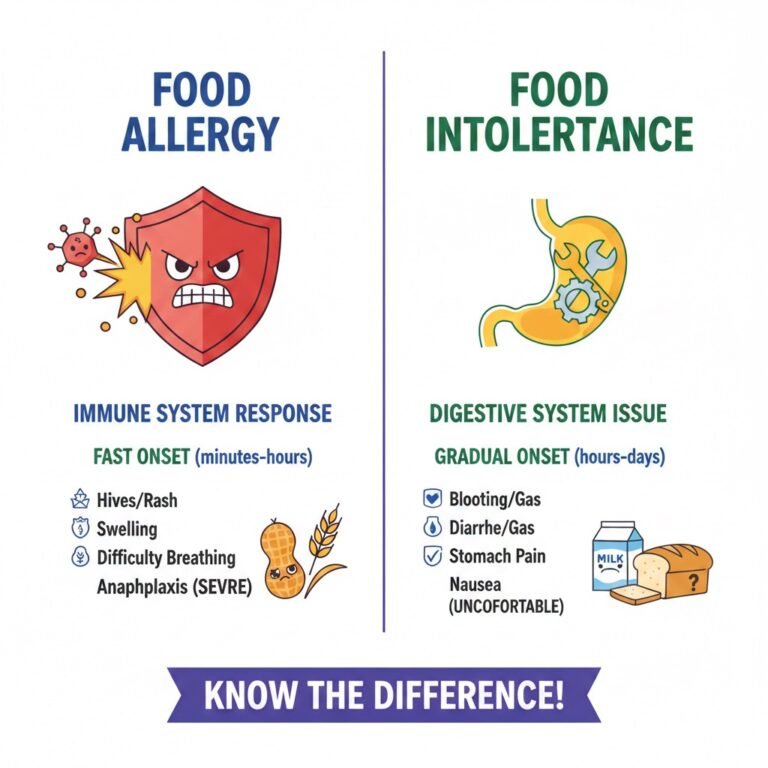
Food Allergy & Intolerance in the UAE
- Food allergy prevalence in the Gulf region is estimated at 4-6% of the population, with higher rates in children
- The most common food allergies in the UAE: sesame, tree nuts, dairy, eggs, and wheat (gluten)
- Food intolerance (IgG-mediated) is more common than true allergy – estimated to affect up to 45% of adults
- Gluten intolerance and non-coeliac wheat sensitivity are increasingly recognised in the UAE population
Key Lab Test Reference Ranges for UAE Patients
| Test | Normal Range | UAE Context |
|---|---|---|
| HbA1c | Under 5.7% | Pre-diabetes 5.7-6.4%; Diabetes 6.5%+ |
| Vitamin D (25-OH) | 30-100 ng/mL | 83-90% of UAE residents are deficient |
| TSH | 0.4-4.0 mIU/L | Higher prevalence of thyroid issues in women |
| Total Cholesterol | Under 200 mg/dL | 40% of UAE adults exceed this |
| Haemoglobin (Men) | 13.5-17.5 g/dL | Anaemia common in expat populations |
| Haemoglobin (Women) | 12.0-15.5 g/dL | Iron deficiency anaemia prevalent in UAE women |
| Fasting Glucose | 70-99 mg/dL | UAE has one of the highest diabetes rates globally |
Sources & References
- International Diabetes Federation. IDF Diabetes Atlas, 10th ed. Brussels: IDF; 2023.
- Dubai Health Authority. Annual Health Statistics Report 2023. Dubai: DHA; 2024.
- UAE Ministry of Health and Prevention. National Health Survey 2022.
- Lips P et al. Vitamin D status and nutrition in Europe and Asia. J Steroid Biochem Mol Biol. 2006.
- Levine H et al. Temporal trends in sperm count: a systematic review and meta-regression analysis. Hum Reprod Update. 2017.
- World Heart Federation. Cardiovascular Disease Statistics 2024.
This statistics resource is maintained by Lab Tests Dubai. For health screening and laboratory testing in Dubai, visit labtestsdubai.com or call +971 58 165 7717.
Lab Tests Dubai
Hamsa Building, Zabeel Road, Al Karama, Dubai, UAE
Phone: +971 58 165 7717