
The “Crystal Ball” in a Blood Draw: How Modern Science Is Changing Pregnancy
The Modern Pregnancy Journey
Bringing a new life into the world is equal parts exciting and terrifying. The dreams of tiny fingers, first steps, and bedtime stories are often accompanied by the quiet, persistent question of “what if?” Every expectant parent hopes for a healthy baby, but navigating the unknowns of pregnancy can be a source of significant anxiety. The desire for reassurance is universal.
Fortunately, modern science offers what can feel like a crystal ball for your baby’s future, providing clear answers earlier than ever before. Non-invasive prenatal testing (NIPT) has transformed the landscape of prenatal care, moving beyond traditional screening methods to offer a precise look at a baby’s genetic health. This technology provides critical insights not through complex, invasive procedures, but through a simple blood draw from the mother. Here are five key things to understand about how this groundbreaking science works.
1. Your Bloodstream Carries Your Baby’s Genetic Blueprint
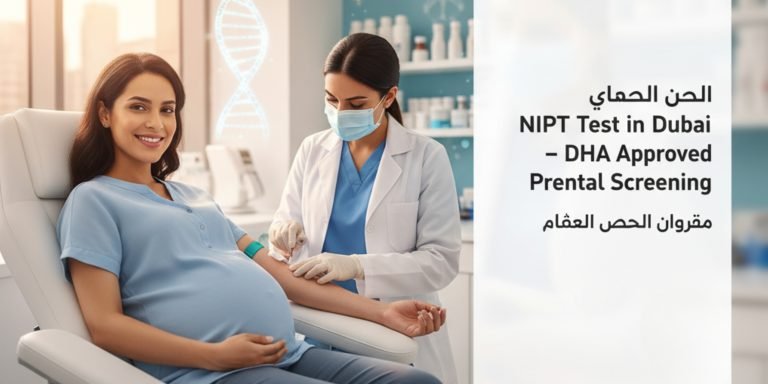
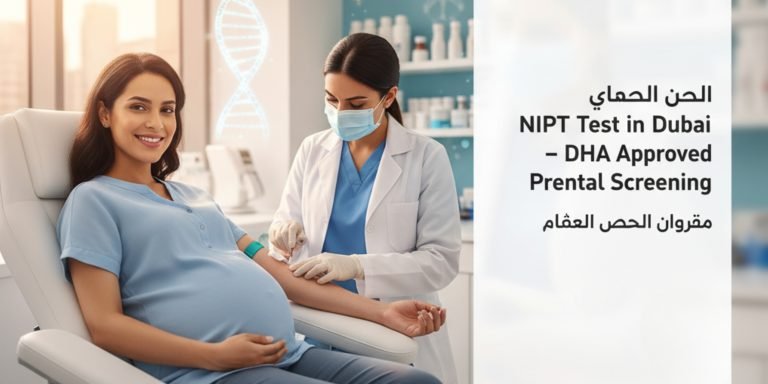
During pregnancy, a remarkable natural process occurs: the placenta continuously sheds tiny fragments of DNA that enter the mother’s bloodstream. This is known as fetal cell-free DNA (cffDNA). This process begins as early as the ninth week of gestation, and the amount of cffDNA increases as the pregnancy progresses. This is the scientific foundation of non-invasive prenatal tests (NIPT). By analyzing a sample of the mother’s blood, scientists can isolate and study the baby’s genetic material without ever touching the fetus, making it an entirely safe procedure for both mother and child.
2. The Test Can Distinguish Between Your DNA and the Baby’s
The real game-changer in modern NIPT is the ability to tell the difference between the mother’s DNA and the baby’s. The Panorama test, for example, uses a patented PCR-single nucleotide polymorphism (SNP)-based technology that specifically analyzes the unique genetic markers of both. This is a crucial advancement because it allows the test to isolate the baby’s genetic signal from the “noise” of the mother’s much more abundant DNA, which can cause ambiguity in older tests. While traditional first-trimester screenings are only about 85-90% accurate, this method reduces the false positive rate to less than 0.1%, delivering what the source calls “unmatched precision.”
3. It Screens for Far More Than Just Down Syndrome
While many people associate prenatal screening primarily with Down syndrome, modern NIPT provides a much broader view of a baby’s genetic health. The Panorama Basic test, for instance, screens for a wide range of chromosomal conditions.
Autosomal Trisomies
• Trisomy 21 (Down syndrome)
• Trisomy 18 (Edwards syndrome)
• Trisomy 13 (Patau syndrome)
Sex Chromosome Abnormalities
• Monosomy X (Turner Syndrome)
• Klinefelter syndrome (XXY)
• Triple X syndrome (XXX)
• Jacob’s syndrome (XYY)
Microdeletions
• 22q11.2 deletion syndrome (DiGeorge syndrome)
This comprehensive screening provides a much wider and more detailed picture of a baby’s health than many expectant parents realize is possible.
4. The Goal is Preparation, Not Just Information
The true value of early detection extends far beyond the clinical results. Receiving this information early empowers parents and healthcare providers to prepare emotionally, medically, and financially. Instead of facing shock and unpreparedness at birth, families can proactively plan. This could mean arranging for early interventions like pediatric heart surgery or therapy, connecting with specialists and support groups, or creating a financial plan for future needs. It shifts the focus from reacting to a diagnosis to proactively planning for a child’s unique journey.
Knowledge doesn’t change the outcome, but it changes how you face it.
5. Getting This Advanced Screening is Surprisingly Simple
Despite the sophisticated science behind it, the process for the parent is remarkably straightforward. This accessibility makes advanced genetic screening available to more people than ever before, offering what is described as “confidence in a blood draw.”
• It can be done as early as 10 weeks of pregnancy, and at any point thereafter up to delivery.
• No fasting or special diet is required.
• It’s a single blood draw from the mother’s arm.
• Results are typically available in 7-10 days.
Knowledge as a Form of Care
Non-invasive prenatal technology has fundamentally changed the pregnancy journey for countless families. By replacing uncertainty with clarity, it provides peace of mind and, when necessary, the invaluable gift of time to prepare. It transforms complex genetic science into actionable information that empowers parents to plan for their child’s future with confidence and care.