
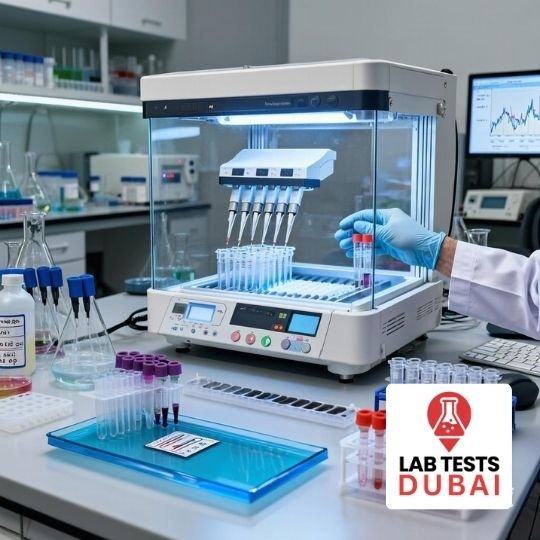
Y-Chromosome Microdeletions (PCR)
1.000,00 د.إ
Y-Chromosome Microdeletions (PCR) Test is a sophisticated genetic detective work, designed to look beneath the surface of standard fertility evaluations to find the root cause hidden within our very DNA.
Sample Type : Whole Blood
Methodology : Multiplex PCR
TAT : 21 Days
Description
Y-Chromosome Microdeletions (PCR) Test – 16 Mutations
Infertility is a journey often shrouded in silence and frustration. For many couples, the narrative follows a familiar, painful path: months of trying, negative pregnancy tests, and finally, a referral to a specialist.
When the focus turns to male factor infertility, the first step is usually a semen analysis. But what happens when that analysis reveals azoospermia (no sperm) or severe oligospermia (extremely low sperm count)? The numbers tell you what is happening, but they don’t tell you why.
This is where the Y-Chromosome Microdeletions (PCR) Test enters the conversation. It is a sophisticated genetic detective work, designed to look beneath the surface of standard fertility evaluations to find the root cause hidden within our very DNA.
Why the Y Chromosome Matters
To understand the importance of this test, we have to look at the biology of male development. The Y chromosome is what makes a male biologically male. More specifically, certain regions on the Y chromosome, known as AZF (Azoospermia Factor) regions, act as the master control switches for sperm production (spermatogenesis).
Think of these regions as the blueprints for a factory. If a specific page of the blueprint is missing, a microdeletion, the factory cannot build the product. In this case, the product is sperm.
These microdeletions are too small to be seen under a microscope. They are genetic “typos” that can be passed down from father to son or occur spontaneously. They are one of the most common genetic causes of severe male infertility.
Who Needs This Test?
This test is not for everyone. It is a specialized tool for men who are facing significant challenges in conceiving. You should consider the Y-Chromosome Microdeletions test if:
- You have Azoospermia or Severe Oligospermia: This is the primary indicator. If your sperm count is extremely low or non-existent, genetic testing is a crucial next step.
- You have been trying to conceive for over a year: Unprotected intercourse for 12 months or more without success warrants a deeper investigation.
- There is a family history: If other male relatives in your family have struggled with infertility.
- You are exploring Assisted Reproductive Techniques (ART): Before undergoing procedures like IVF or ICSI, knowing your genetic status is vital for success and counseling.
For men whose partners have experienced recurrent miscarriages, doctors may also investigate genetic factors in the male partner to rule out underlying chromosomal issues contributing to pregnancy loss.
The Power of Precision: Multiplex PCR Technology
How do we find these invisible deletions? We use Multiplex Polymerase Chain Reaction (PCR) technology.
This advanced method allows scientists to amplify specific segments of the DNA on the Y chromosome. It acts like a genetic magnifying glass, scanning the critical AZF regions to see if they are present or absent.
The test requires a simple whole blood sample, but the analysis is complex. By checking multiple “sequence tagged sites” simultaneously, the test can pinpoint exactly which part of the genetic code is missing. This precision is what allows for a definitive diagnosis.
The Cost of Not Knowing
Why go through the trouble of genetic testing? Because treating infertility without knowing the cause can be an emotional and financial drain.
If a Y-chromosome microdeletion is the cause of azoospermia, no amount of hormone therapy, vitamins, or lifestyle changes will restore sperm production. Without this test, a man might spend years trying ineffective treatments, leading to frustration and despair.
Furthermore, knowing the genetic status protects the future. If a man has a Y-chromosome microdeletion and is able to conceive via assisted reproduction (using the few sperm that might be present), he has a high likelihood of passing that deletion on to his male offspring.
Untreated or undiagnosed genetic issues can lead to:
- Prolonged emotional distress and uncertainty.
- Wasted resources on futile fertility treatments.
- Unintended transmission of genetic infertility to the next generation.
Getting this test provides clarity. It stops the cycle of guesswork and allows couples to make informed decisions—whether that means moving forward with specific ART procedures like TESE (Testicular Sperm Extraction) or considering alternatives like donor sperm or adoption.
Preparing for the Test
The process is straightforward, designed to minimize stress during an already difficult time.
- Preparation: No fasting is required. You can eat and drink normally.
- Medications: Be sure to inform your healthcare provider about any medications or supplements you are taking, though most do not interfere with this genetic test.
- The Procedure: A simple blood draw (Whole Blood) is all that is needed.
Because the analysis involves specialized genetic amplification, the Turnaround Time is approximately 21 days. While waiting requires patience, the depth of information you receive is invaluable for your family planning journey.
Take Control of Your Fertility Story
Infertility can feel like a loss of control. But knowledge is the antidote to that feeling. The Y-Chromosome Microdeletions test transforms an ambiguous situation into a clear medical reality.
It empowers you with the truth about your body. It allows your healthcare provider to tailor a treatment plan that actually has a chance of working. And most importantly, it gives you the answers you need to make the best choices for your future family.
Don’t stay in the dark. If you or your partner are facing severe male infertility, it’s time to look deeper. Book your lab test online today to schedule your Y-Chromosome Microdeletions test.
Understanding your genetics is the first step toward overcoming the obstacles on your path to parenthood.
Frequently Asked Questions – Y-Chromosome Microdeletions (PCR) Test
What is the Y-Chromosome Microdeletions (PCR) test?
This advanced genetic test uses Multiplex PCR technology to detect tiny missing segments (microdeletions) in specific regions of the Y chromosome—particularly the AZF (Azoospermia Factor) regions—that are critical for sperm production. It’s a key diagnostic tool for unexplained male infertility.
Who should take this test?
This test is recommended for men experiencing:
– Azoospermia (no sperm in semen)
– Severe oligospermia (very low sperm count)
– Unexplained infertility after 12+ months of trying
– Recurrent pregnancy loss with a partner
– A family history of male infertility
Why is this test important before fertility treatment?
If microdeletions are present, they can be passed to male offspring through ICSI (a common IVF technique). Knowing your genetic status helps you and your doctor make informed decisions about treatment options, donor sperm, or genetic counseling—avoiding costly, ineffective procedures.
Do I need to fast or prepare for the test?
No fasting or special preparation is needed. A simple blood draw is all that’s required. However, inform your provider about any medications or supplements you’re taking, though they typically don’t affect genetic results.
How long does it take to get results?
Due to the complexity of analyzing Y-chromosome DNA with high-precision Multiplex PCR, results typically take **21 days**. You’ll receive a detailed report indicating whether microdeletions were detected in the AZFa, AZFb, or AZFc regions.
Can this test be done at home?
Yes! Lab Tests Dubai offers **home blood collection** by a licensed phlebotomist. The sample is then transported under strict conditions to our accredited genetics lab for analysis—ensuring privacy, convenience, and accuracy.



Reviews
There are no reviews yet.