
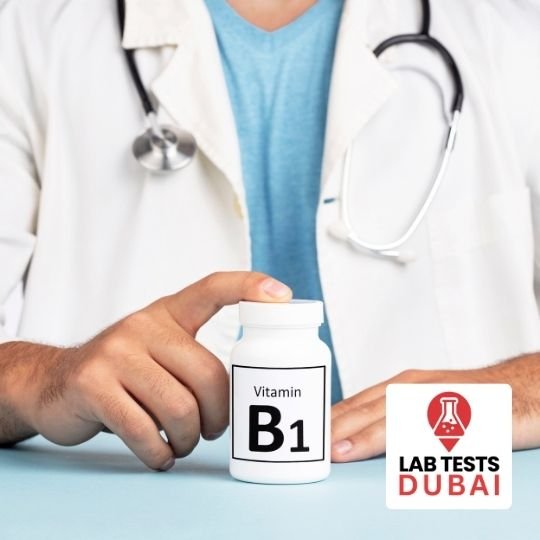
Vitamin B1 Lab Test
250,00 د.إ
Sample Type : EDTA whole blood covered In Aluminium Foil
Methodology : HPLC
TAT : 5-6 working days
Description
Vitamin B1 Lab Test: Uncovering Hidden Vitamin B1 Deficiency
You eat well. You try to sleep enough. Yet, you wake up feeling like you haven’t rested at all. Your legs feel heavy, your mind is foggy, and even simple tasks leave you irritable and exhausted.
We often look at macronutrients, carbs, fats, and proteins, when we analyze our energy levels. But the true engine of your vitality runs on much smaller fuel: micronutrients.
Specifically, Vitamin B1 (Thiamine).
Also known as thiamine, Vitamin B1 is the “spark plug” of your metabolism. It is essential for converting the food you eat into the energy your cells need to survive. Because the body cannot store it in large amounts, a deficiency can creep up surprisingly fast, turning your daily life into a struggle against fatigue and nerve pain.
The Vitamin B1 Lab Test is a specialized diagnostic tool designed to measure your thiamine levels with precision. If you are navigating unexplained weakness, nerve issues, or cardiovascular concerns, this test offers the clarity you need to reset your system.
Why Vitamin B1 Is Non-Negotiable
Thiamine is a water-soluble vitamin, meaning it dissolves in water and is not stored in fat tissues. What you don’t use immediately is excreted. This makes a constant, adequate intake through diet (whole grains, legumes, nuts, seeds) absolutely critical.
Inside the body, thiamine is converted into its active form, Thiamine Pyrophosphate (TPP). This enzyme co-factor is the gatekeeper of energy metabolism. Without it, your cells cannot effectively utilize carbohydrates or amino acids. It is also vital for the conduction of nerve signals and the proper functioning of your heart and muscles.
The Silent Signs of Deficiency
Because Vitamin B1 impacts nearly every major system, a deficiency can manifest in confusing, seemingly unrelated ways. You might need this test if you are experiencing:
- Unrelenting Fatigue: A physical weakness that doesn’t improve with rest.
- Neurological Numbness: Tingling, “pins and needles,” or numbness in the hands and feet (peripheral neuropathy).
- Cognitive Struggle: Difficulty concentrating, memory lapses, or confusion.
- Emotional Volatility: Unexplained irritability, mood changes, or depression.
- Physical Discomfort: Muscle cramps, tenderness, or shortness of breath.
- Cardiovascular Signs: An irregular heartbeat or swelling in the lower legs.
These symptoms are often dismissed as stress or aging, but they are critical warning signs that your cellular engine is stalling.
Who Is at Risk?
While poor diet is a primary cause, certain lifestyle and medical factors can drastically impair your body’s ability to absorb or utilize Vitamin B1:
- Chronic Alcohol Use: Alcohol interferes with the absorption of thiamine and depletes the body’s stores.
- Malabsorption Disorders: Conditions like Crohn’s disease or celiac disease prevent nutrients from being absorbed in the small intestine.
- Restrictive Diets: Diets low in whole grains or fortified foods can lead to insufficiency.
- Bariatric Surgery: Altered digestion can impact nutrient uptake.
If any of these apply to you, monitoring your B1 levels is not optional, it is essential.
The Danger of Ignoring the Signs
Thiamine deficiency is not something to “wait out.” If left untreated, it can progress into serious, potentially irreversible conditions.
- Beriberi: This condition affects the cardiovascular and nervous systems. “Wet beriberi” impacts the heart, causing heart failure and fluid retention. “Dry beriberi” damages the nerves, leading to paralysis and muscle wasting.
- Wernicke-Korsakoff Syndrome: Often associated with alcoholism, this severe neurological disorder causes confusion, loss of muscle coordination, and profound memory problems. While treatment can halt progression, some nerve damage may be permanent.
Early detection is your only shield against these outcomes.
The Gold Standard: HPLC Analysis
Diagnosing a B1 deficiency requires more than a standard checkup. It demands precise measurement of thiamine levels in the blood.
Our Vitamin B1 Lab Test utilizes High-Performance Liquid Chromatography (HPLC), a sophisticated analytical technique that separates and quantifies compounds with extreme accuracy.
Test Overview:
- Sample Type: EDTA whole blood (covered in aluminum foil to protect the light-sensitive sample)
- Methodology: High-Performance Liquid Chromatography (HPLC)
- Turnaround Time: 5–6 working days
- Category: Immunology
The use of an EDTA tube wrapped in aluminum foil ensures that the thiamine in the sample is protected from light degradation, ensuring the result you receive is a true reflection of your body’s status.
How to Prepare for Accuracy
Preparing for the test is simple, but adherence to the guidelines ensures the most reliable data.
- No Fasting: You do not need to fast.
- Supplement Pause: Avoid taking Vitamin B1 supplements or multivitamins containing thiamine for at least 24 hours before the test. This prevents temporary spikes that could mask a deficiency.
- Medication Review: Inform your doctor about any medications or underlying health conditions, as they can influence thiamine metabolism.
Take Control of Your Energy
Don’t let a hidden deficiency dictate the quality of your life. Fatigue, nerve pain, and confusion are not “normal” parts of aging—they are signs that your body needs support.
The Vitamin B1 Lab Test provides the scientific evidence you need to take action. Whether you are managing a chronic condition, recovering from alcohol dependency, or simply trying to solve the puzzle of your fatigue, this test is the first step toward restoration.
Empower your health today. Book a lab test online, the Vitamin B1 Lab Test is a convenient, reliable, and critical investment in your well-being.
Book your test today and get the answers you need to reignite your energy and protect your nervous system.
Frequently Asked Questions – Vitamin B1 (Thiamine) Test
What does the Vitamin B1 (Thiamine) test measure?
This blood test measures your serum level of thiamine (Vitamin B1), a vital nutrient that converts food into cellular energy, supports nerve function, and maintains heart health. Unlike other B vitamins, B1 is not stored long-term in the body, so regular intake and monitoring are essential.
Why test Vitamin B1 instead of just taking a B-complex?
Many people assume B-complex supplements prevent deficiency, but absorption varies widely. Chronic alcohol use, high-sugar diets, bariatric surgery, gastrointestinal disorders (like Crohn’s), and even intense athletic training can deplete B1 rapidly. Testing reveals whether your levels are truly sufficient or if you’re at risk of “hidden deficiency” that affects energy and nerves.
What are the signs of Vitamin B1 deficiency?
Early symptoms include fatigue, irritability, poor memory, muscle weakness, and loss of appetite. Severe deficiency can lead to Beriberi (nerve damage, heart failure) or Wernicke-Korsakoff syndrome (confusion, vision changes, memory loss)—especially in those with alcohol dependence. Even mild deficiency impairs brain fog and exercise recovery.
Do I need to fast before this test?
No fasting is required. However, avoid taking B-vitamin supplements for at least 8–12 hours before your blood draw, as they can temporarily elevate serum levels and mask a true deficiency.
Who is at higher risk of B1 deficiency?
High-risk groups include: frequent alcohol consumers, people on processed/high-carb diets, athletes with heavy training loads, individuals with diabetes or digestive disorders, post-bariatric surgery patients, and older adults with reduced absorption. In Dubai’s high-stress, convenience-food environment, deficiency is more common than many realize.
How soon will I get my results?
Results are typically available within 1 business day. You’ll receive a secure digital report with your thiamine level and reference range, ideal for sharing with your doctor, nutritionist, or functional medicine practitioner.


Jocelyn T. –
After months of unexplained fatigue and nerve tingling, my doctor suspected a Vitamin B1 deficiency. This test provided clear, accurate results that confirmed low thiamine levels.