
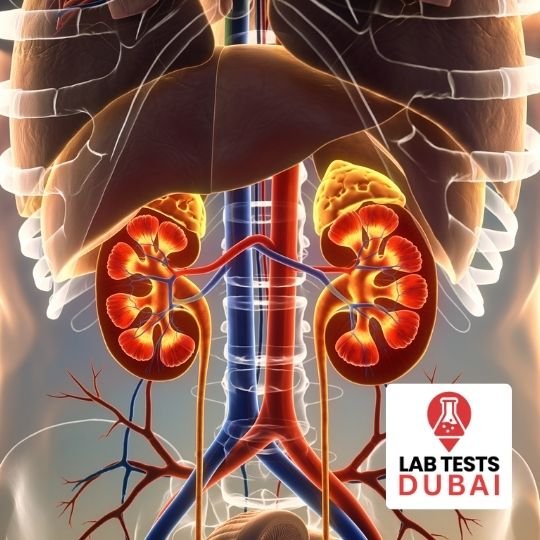
Urea (Random Urine) Diagnostic Reagent for Accurate Kidney Function Testing
90,00 د.إ
The Urea (Random Urine) Test is a powerful, non-invasive window into this hidden world. It measures urea, the primary waste product of protein metabolism, to give you a snapshot of your kidney efficiency and metabolic balance.
Sample Type : Random Urine
Methodology : Spectrophotometry
TAT : 1 Day
Description
Urea (Random Urine) Diagnostic Reagent for Accurate Kidney Function Testing – Spectrophotometry Method
We obsess over what we put into our bodies, counting macros, tracking hydration, choosing organic. But how often do we consider what comes out?
Your body is a high-performance machine, but even the most advanced engine generates waste. If the exhaust system is clogged, the engine eventually fails. In the human body, that exhaust system is your kidneys.
They work silently, 24/7, filtering toxins and balancing fluids. When they begin to struggle, they don’t always cause pain immediately. Instead, they send subtle, confusing signals that we often dismiss as stress or aging.
The Urea (Random Urine) Test is a powerful, non-invasive window into this hidden world. It measures urea, the primary waste product of protein metabolism, to give you a snapshot of your kidney efficiency and metabolic balance. With advanced spectrophotometry and results in just 24 hours, it is one of the smartest moves you can make for preventative health.
Why the “Random” Factor Matters
In the past, kidney function testing often meant cumbersome 24-hour urine collections. While detailed, they are inconvenient and prone to user error.
The Urea (Random Urine) test changes the game. It provides a rapid, accurate assessment using a single sample collected at any time of day. This convenience means you can get the data you need without disrupting your life.
You need this test because:
- It Screens for Kidney Disease: Kidney disease is often a “silent killer.” This test helps detect dysfunction early, often before symptoms become severe.
- It Identifies Dehydration: Urea concentration is a key indicator of your hydration status.
- It Monitors Metabolic Health: It reveals how your body is handling protein breakdown and waste elimination.
- It Tracks Chronic Conditions: If you have diabetes or hypertension, two leading causes of kidney disease, regular monitoring is non-negotiable.
The Science of Waste: What is Urea?
Every time you eat protein, whether it’s a steak, a tofu stir-fry, or a protein shake, your body breaks it down into amino acids. This process produces ammonia, a toxic substance that must be neutralized quickly.
Your liver acts as the detox center, converting ammonia into urea, a much safer compound. The urea then enters the bloodstream, where the kidneys act as the filter, removing it from the blood and excreting it into the urine.
Ideally, this is a seamless loop. But if the kidneys are damaged or under stress, they struggle to filter the urea effectively. If the body is dehydrated, urea becomes concentrated in the urine. By measuring urea in a random urine sample, we can determine if your filtration system is operating at peak capacity.
The Body’s Whisper: Symptoms to Watch For
Your kidneys are resilient. They can compensate for damage for a long time. But eventually, the imbalance leaks out in the form of physical symptoms.
You should consider the Urea (Random Urine) test if you notice:
- Edema: Unexplained swelling in your legs, ankles, or feet. This happens when the kidneys can’t balance fluid excretion.
- The Fog: Difficulty concentrating or confusion. High levels of waste products in the blood can affect brain function.
- Fatigue: A persistent, heavy tiredness that doesn’t improve with rest.
- Urinary Changes: A decrease in urine output or noticeable changes in frequency.
- Physical Discomfort: Nausea, vomiting, or a loss of appetite.
- High Blood Pressure: Often both a cause and a symptom of kidney stress.
These are not just “signs of getting older.” They are clinical red flags that your internal filtration system needs attention.
The Danger of Ignoring the Imbalance
The path to kidney disease is rarely dramatic; it is a slow creep.
If elevated urea levels and impaired kidney function are left untreated, the waste buildup in your body can become toxic. This leads to:
- Chronic Kidney Disease (CKD): A progressive loss of kidney function over time.
- Kidney Failure: The end stage where dialysis or transplant becomes necessary.
- Cardiovascular Risk: Kidney stress is tightly linked to heart disease and high blood pressure.
On the flip side, low urea levels can signal malnutrition or severe liver dysfunction, preventing your body from properly processing proteins.
Early detection is your only defense. The Urea (Random Urine) test allows you to catch these trends early, when lifestyle changes and medical interventions are most effective.
The Precision of Spectrophotometry
We are moving beyond simple dipstick tests into the era of precision diagnostics.
This test utilizes spectrophotometry, a highly accurate analytical method. It measures the concentration of urea by analyzing how much light is absorbed by the urine sample. This technology eliminates guesswork, providing a quantitative result that your doctor can trust.
Test Overview:
- Sample Type: Random Urine
- Methodology: Spectrophotometry
- Turnaround Time (TAT): 1 Day
Because the turnaround is so fast, you don’t have to wait weeks to know the state of your health.
How to Prepare
One of the best aspects of this test is its simplicity. It requires no fasting and no complex scheduling.
Preparation Guidelines:
- Collect at Convenience: Provide a random urine sample at any time of day.
- Dietary Awareness: Avoid excessive protein intake or dehydration immediately before the test, as these can temporarily skew concentration levels.
- Medication Review: Inform your healthcare provider about any medications or supplements, as some can influence urea excretion.
Take Control of Your Internal Environment
You cannot see your kidneys, but they support everything you do. They keep your blood clean, your bones strong, and your hormones in balance.
Don’t wait for symptoms to escalate into an emergency. Whether you are managing a chronic condition, feeling “off” lately, or simply committed to a proactive health strategy, the Urea (Random Urine) test is a vital tool in your wellness arsenal.
Empower yourself with data.
Book your lab test online to schedule your Urea (Random Urine) test today. Experience the peace of mind that comes with knowing your body’s filtration system is working exactly as it should.
Frequently Asked Questions – Urea (Random Urine) Test
What does the Urea (Random Urine) test measure?
This test measures the concentration of urea in a single, untimed urine sample. Urea is a waste product formed when your liver breaks down proteins. Your kidneys filter it from the blood into urine. This test helps assess kidney function and protein metabolism, especially when blood tests are inconclusive or need urinary correlation.
Why test urea in urine instead of blood?
While blood urea nitrogen (BUN) shows current levels, urine urea reflects how much your kidneys are actually excreting. It’s useful for evaluating:
– Protein intake vs. utilization
– Kidney filtration efficiency
– Causes of abnormal BUN levels (e.g., dehydration vs. true kidney disease)
A random urine sample offers convenience without requiring 24-hour collection.
Do I need to prepare for this test?
No special preparation is needed. You can provide a random urine sample at any time of day. However, avoid excessive fluid intake right before collection, as it may dilute your sample. Inform your provider if you’re on high-protein diets, corticosteroids, or kidney-affecting medications.
When is this test recommended?
This test is often ordered alongside serum urea or creatinine to:
– Investigate unexplained fatigue or swelling
– Monitor chronic kidney disease (CKD)
– Assess nutritional status in hospitalized patients
– Evaluate protein metabolism in metabolic disorders
It’s also used when 24-hour urine collection isn’t practical.
How soon will I get my results?
Thanks to the Spectrophotometry method, results are typically available within 1 business day. You’ll receive a secure digital report with your urea level and reference range, ideal for sharing with your nephrologist, dietitian, or primary care provider.
Is this test enough to diagnose kidney disease?
No. The random urine urea test is a supportive tool, not a standalone diagnostic. It’s most valuable when combined with serum creatinine, eGFR, urine albumin, and blood urea. Your doctor will interpret it in the full clinical context to assess kidney health accurately.


Reviews
There are no reviews yet.