
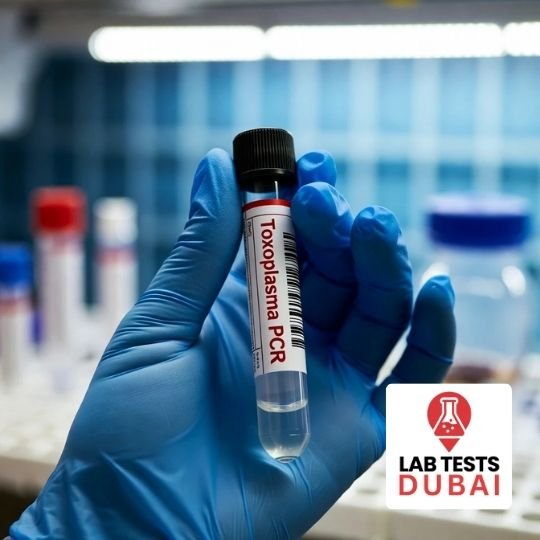
Toxoplasma PCR Test
1.250,00 د.إ
The Toxoplasma PCR Test is the ultimate molecular detective. By utilizing Polymerase Chain Reaction (PCR) technology, it detects the actual DNA of Toxoplasma gondii in the blood, providing a definitive diagnosis that standard screens often miss.
Sample Type : Whole Blood
Methodology : PCR
TAT : 15-18 days
Description
Toxoplasma PCR Test
It starts like a ghost. A low-grade fever, a touch of fatigue, some swollen lymph nodes. Most people brush it off as a passing flu, never realizing they’ve just encountered one of the world’s most successful parasites.
Toxoplasma gondii is a microscopic organism capable of infecting almost any warm-blooded animal, including humans. For most, it lies dormant, a silent passenger. But for the vulnerable, the unborn child, the immunocompromised, the transplant patient, it is a catastrophic threat.
When symptoms raise a red flag, or when a pregnancy is at risk, you cannot rely on guesswork. You need a test that doesn’t just look for antibodies, but hunts for the parasite itself.
The Toxoplasma PCR Test is the ultimate molecular detective. By utilizing Polymerase Chain Reaction (PCR) technology, it detects the actual DNA of Toxoplasma gondii in the blood, providing a definitive diagnosis that standard screens often miss.
Why Precision is Non-Negotiable
Toxoplasmosis is tricky. In healthy individuals, the immune system usually walls off the parasite, rendering it harmless. This makes standard antibody tests, which look for signs of past exposure, difficult to interpret. A positive antibody test might mean you were infected twenty years ago, not that you are sick now.
The PCR test is different. It doesn’t look for the memory of an infection; it looks for the active presence of the parasite.
This distinction is life-saving for high-risk groups:
- Pregnant Women: If a mother contracts toxoplasmosis during pregnancy, the parasite can cross the placenta. A PCR test can detect active infection, allowing for immediate intervention to protect the fetus from congenital defects.
- Immunocompromised Patients: For those with HIV/AIDS or undergoing chemotherapy, a dormant parasite can reactivate with deadly force. PCR provides the early warning needed to start life-saving treatment.
- Ocular Concerns: When vision is threatened by ocular toxoplasmosis, PCR can confirm the cause, preventing irreversible blindness.
The Body’s Battle: Recognizing the Symptoms
While many infections are silent, Toxoplasma can sometimes announce itself with alarming clarity. You should consider the Toxoplasma PCR test if you experience:
- Flu-like Misery: Fever, profound fatigue, and muscle aches that don’t resolve.
- Swollen Lymph Nodes: Particularly in the neck, persisting without explanation.
- Neurological Red Flags: Severe headaches, confusion, or seizures, signs that the infection may have reached the brain (encephalitis).
- Visual Disturbances: Blurred vision, eye pain, or “floaters,” indicating potential eye involvement.
- Maternal Concerns: Any suspicion of exposure during pregnancy, whether from changing cat litter or eating undercooked meat.
If you fall into a high-risk category, you cannot afford to wait for symptoms to escalate.
The Science of Detection: Hunting DNA
How does the test find a needle in a haystack? It amplifies the needle.
The test takes a sample of whole blood and uses PCR (Polymerase Chain Reaction) technology. This process creates millions of copies of a specific segment of the parasite’s DNA. If the parasite is present, even in tiny amounts, the PCR machine will amplify its genetic signature until it is detectable.
Because this method identifies the DNA of the organism itself, it is highly specific. It eliminates false positives from past infections and provides concrete evidence of an active, ongoing infection that requires treatment.
The Danger of the Unknown
Why is rapid diagnosis so critical? Because the cost of untreated toxoplasmosis is devastating.
For the Unborn: If untreated, congenital toxoplasmosis can lead to miscarriage, stillbirth, or severe disabilities in the newborn, including developmental delays, hearing loss, and hydrocephalus.
For the Vulnerable: In those with weakened immune systems, the parasite can run rampant. It can cause encephalitis (inflammation of the brain), leading to seizures, coma, and organ failure. It can also damage the heart and lungs.
For the Eyes: Ocular toxoplasmosis is a leading cause of infectious uveitis. Without prompt identification and treatment, it can cause permanent retinal scarring and blindness.
Early detection through PCR transforms a potentially fatal or disabling condition into a manageable one.
How to Prepare
The process is designed to be as stress-free as possible during a concerning time.
- No Fasting: You do not need to fast.
- Medication Transparency: Inform your healthcare provider about any medications or supplements you are taking.
- The Sample: A simple whole blood draw is all that is required.
Test Overview:
- Sample Type: Whole Blood
- Methodology: PCR (Polymerase Chain Reaction)
- Turnaround Time (TAT): 15–18 Days
While the 15-18 day turnaround reflects the meticulous nature of genetic analysis, the results provide the definitive clarity needed to guide complex treatment decisions.
Take Control of Your Health
Toxoplasmosis is a master of evasion. It hides in the tissues and waits for the immune system to slip. But with the Toxoplasma PCR test, you have the power to find it, even in the darkest corners of the body.
Whether you are navigating a high-risk pregnancy, managing a compromised immune system, or suffering from unexplained neurological symptoms, this test offers the answers you need.
Don’t let a silent invader compromise your future.
Take action today. Book your lab test online to schedule your Toxoplasma PCR test. Ensure your safety, protect your vision, and secure your peace of mind with the most advanced diagnostic tool available.
Frequently Asked Questions – Toxoplasma PCR Test
What is the Toxoplasma PCR test?
This test uses Polymerase Chain Reaction (PCR) technology to detect the DNA of Toxoplasma gondii, a parasite that causes toxoplasmosis, in a blood sample. Unlike antibody tests, PCR identifies the actual parasite, making it highly specific for **active or acute infection, especially in high-risk individuals.
Who should take this test?
This test is essential for:
– Pregnant women with suspected exposure (e.g., handling cat litter, eating undercooked meat)
– Immunocompromised patients (e.g., HIV/AIDS, organ transplant recipients, chemotherapy)
– Individuals with ocular toxoplasmosis (eye inflammation, blurred vision)
– Those with neurological symptoms like seizures or encephalitis of unknown cause
How does PCR differ from standard Toxoplasma antibody tests?
Antibody tests (IgG/IgM) show past or recent exposure but can’t confirm active infection.
PCR detects the parasite’s DNA directly, proving the organism is present and replicating.
In pregnancy or immunocompromised patients, PCR is the gold standard for diagnosing congenital or reactivated toxoplasmosis when timing and accuracy are critical.
What are the symptoms of toxoplasmosis?
In healthy adults, symptoms may be mild or flu-like (fever, fatigue, swollen lymph nodes). But in high-risk groups, it can cause:
– Congenital defects in newborns (vision loss, brain damage)
– Severe eye inflammation (retinochoroiditis)
– Encephalitis, seizures, or confusion in immunocompromised patients
Do I need to fast before the test?
No fasting is required. A simple whole blood draw is all that’s needed. No special preparation is necessary.
How soon will I get my results?
Due to the complexity of DNA amplification and analysis, results typically take 15–18 business days. You’ll receive a secure digital report indicating whether Toxoplasma gondii DNA was detected, critical for guiding urgent treatment decisions in pregnancy or immunocompromised care.


Reviews
There are no reviews yet.