
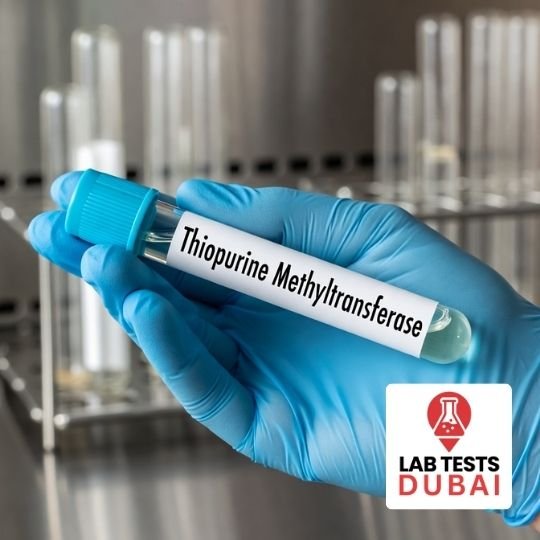
Thiopurine Methyltransferase TPMT, Enzyme Activity, Erythrocytesferase
640,00 د.إ
Thiopurine Methyltransferase (TPMT), Enzyme Activity, Erythrocytes test is that safety check. It is the gateway to precision medicine, ensuring that the medication meant to heal you doesn’t inadvertently harm you.
Sample Type : EDTA plasma or heparin plasma
Methodology : EIA
TAT : 5-6 working days
Description
Thiopurine Methyltransferase (TPMT), Enzyme Activity, Erythrocytes Lab Test
Modern medicine has produced miracles in the form of powerful immunosuppressants and chemotherapeutic agents. Drugs like azathioprine, mercaptopurine, and thioguanine have transformed the prognosis for patients with autoimmune diseases and certain cancers. But these powerful drugs come with a narrow margin of error.
For some, the cure can become more dangerous than the disease if their body lacks the specific key required to process the medication.
The Thiopurine Methyltransferase (TPMT), Enzyme Activity, Erythrocytes test is that safety check. It is the gateway to precision medicine, ensuring that the medication meant to heal you doesn’t inadvertently harm you. By measuring the activity of the TPMT enzyme in your red blood cells, this test allows doctors to predict exactly how your body will metabolize thiopurine drugs before you ever take the first dose.
The Dangers of “One Size Fits All” Dosing
In an ideal world, a standard dose of medicine would work the same way for everyone. In reality, our genetics dictate how we process chemicals.
Thiopurine drugs are commonly prescribed for:
- Autoimmune Conditions: Crohn’s disease, ulcerative colitis, and rheumatoid arthritis.
- Oncology: Acute lymphoblastic leukemia.
The TPMT enzyme is responsible for breaking these drugs down into inactive, harmless compounds. However, genetics can leave some people with low or absent TPMT activity.
If a patient with low TPMT activity is given a standard dose, the drug accumulates in their system instead of being cleared out. This “toxic buildup” can lead to severe, life-threatening bone marrow suppression. Conversely, patients with high enzyme activity might metabolize the drug too quickly, rendering the treatment ineffective.
This test eliminates the guesswork. It moves treatment from a game of trial-and-error to a precise, calculated science.
Who Needs This Test?
This test is non-negotiable for specific patient groups. You should consider the TPMT Enzyme Activity test if:
- You are starting Thiopurine Therapy: It is the standard of care to test before initiating treatment with azathioprine, mercaptopurine, or thioguanine.
- You have a history of adverse reactions: If you experienced unexplained side effects to these drugs in the past, this test can explain why.
- You have a family history: If a close relative had a bad reaction to thiopurine drugs, you may share the same genetic metabolic trait.
The Warning Signs
If you are currently on these medications and experiencing the following, testing may be required to adjust your dose immediately:
- Unexplained fatigue or extreme weakness.
- Frequent infections or slow recovery from minor illnesses.
- Easy bruising or prolonged bleeding from small cuts.
- Unexplained joint pain or abdominal discomfort.
Understanding the Biology: The TPMT Enzyme
Thiopurine Methyltransferase (TPMT) is an enzyme found primarily in your red blood cells and the liver. Think of it as your body’s hazardous waste disposal crew for thiopurine drugs.
When you ingest a thiopurine medication, the TPMT enzyme steps in to inactivate it, preventing it from flooding your system. This enzyme activity is largely determined by your genetics.
- Normal Activity: The body processes the drug efficiently. Standard dosing applies.
- Low/Intermediate Activity: The body processes the drug slowly. Dosage must be significantly reduced to prevent toxicity.
- Absent Activity: The body cannot process the drug at all. Even low doses can be fatal, and alternative medications must be sought.
The Cost of Ignoring Enzyme Activity
Failing to assess TPMT activity before treatment is a significant risk. The consequences of untreated metabolic mismatch are severe:
- Myelotoxicity (Bone Marrow Suppression): This is the most critical risk. The bone marrow stops producing blood cells. This leads to anemia (low oxygen), leukopenia (inability to fight infection), and thrombocytopenia (inability to clot blood).
- Treatment Failure: On the flip side, if enzyme activity is too high and the dose isn’t adjusted, the drug is destroyed before it can work, leaving the autoimmune disease or cancer to progress unchecked.
Early detection of your metabolic status allows your healthcare provider to tailor the dosage to your specific biology, ensuring safety without sacrificing efficacy.
How to Prepare for the Test
Preparation for the TPMT Enzyme Activity test is straightforward, designed to ensure the enzyme levels measured are purely genetic and not influenced by recent drug intake.
- Fasting: No fasting is required.
- Medication Management: Crucial Step – You should avoid taking thiopurine medications for at least 48 hours before the test unless your doctor instructs otherwise. This ensures the test measures your body’s capacity to metabolize the drug, not the drug’s effect on your body.
- Disclose Supplements: Inform your provider of any other medications or supplements you are taking.
What to Expect
- Sample Type: The test requires a blood sample, specifically EDTA plasma or heparin plasma.
- Methodology: The sample is analyzed using Enzyme Immunoassay (EIA), a highly reliable method for quantifying enzyme activity.
- Turnaround Time: Results are typically available within 5-6 working days.
Take Control of Your Treatment Plan
Medicine should never be a gamble. If you or a loved one are preparing for treatment involving thiopurine drugs, you have the power to demand precision.
The TPMT Enzyme Activity test provides the data needed to optimize your therapy. It protects you from toxicity, ensures the medication has the best chance to work, and gives you peace of mind.
Book your lab test online today and take the first step toward a safe, personalized treatment plan. Don’t leave your recovery to chance, know your metabolic profile.



Reviews
There are no reviews yet.