
Haemophilus Ducreyi – Screening
250,00 د.إ
Get tested for Haemophilus ducreyi chancroid in Dubai with a reliable smear test. Detect genital ulcers early, prevent complications & protect your sexual health. Book now!
Sample Type : Smear
Methodology : Staining and Microscopy
TAT : 15 Days
Description
Haemophilus Ducreyi Screening Test – Detect Chancroid Early
The Haemophilus Ducreyi Screening Test is a specialized microbiological diagnostic test designed to detect Haemophilus ducreyi, the bacterium responsible for chancroid, a painful and highly contagious sexually transmitted infection (STI). This test plays a critical role in identifying the cause of genital ulcers, enabling accurate diagnosis and prompt antibiotic treatment.
Chancroid is often mistaken for other STIs like herpes or syphilis, but requires specific management. By analyzing a smear sample from the ulcer site, this test uses staining and microscopy techniques to identify the characteristic “school of fish” appearance of H. ducreyi bacteria, ensuring precise results and appropriate care.
Offered at Lab Tests Dubai, this confidential and clinically essential test supports early intervention, reduces transmission risk, and helps prevent serious complications, especially in high-risk individuals.
Why You Need This Test
You need the Haemophilus Ducreyi Screening Test if:
- You have painful genital or anal ulcers
- You’ve had unprotected sexual contact with someone diagnosed with chancroid
- Your genital sores are not healing or worsening despite treatment
- You’re being evaluated for ulcerative STIs (e.g., herpes, syphilis, LGV)
- You live in or traveled to regions where chancroid is more common (e.g., parts of Africa, Asia, Caribbean)
Early detection is vital, chancroid increases your risk of contracting HIV by 2–5 times due to open sores. This test ensures you get the right diagnosis and the right treatment, fast.
 Symptoms That Indicate This Test
 Symptoms That Indicate This Test
Consider this test if you experience:
- One or more painful, soft genital ulcers with irregular borders
- Swollen, tender, or draining lymph nodes in the groin (buboes)
- Pus or bleeding from the ulcer site
- Pain during urination or sexual intercourse
- Recent sexual exposure to an infected partner
- Co-existing symptoms of other STIs
These signs strongly suggest chancroid or another ulcer-causing STI and this test helps confirm it.
Natural Production
Haemophilus ducreyi is not naturally produced by the human body. It is a pathogenic bacterium transmitted exclusively through direct skin-to-skin contact during vaginal, anal, or oral sex with an infected person.
Once introduced, the bacteria invade the skin at micro-abrasion sites and multiply, causing painful pustules that rupture into ulcers. The body’s immune response may cause swelling and pus formation, but without antibiotics, the infection will not resolve on its own.
Risk factors include:
- Unprotected sex
- Multiple sexual partners
- Sex work or high-prevalence environments
- Poor genital hygiene
This test detects the presence of the bacterium, not antibodies — making it ideal for active infection diagnosis.
What Happens If Untreated
If left undiagnosed and untreated, chancroid can lead to:
- Persistent, deep genital ulcers that may become secondarily infected
- Scarring and disfigurement of the genitals
- Formation of fistulas or strictures (especially in uncircumcised males)
- Increased risk of HIV acquisition and transmission
- Spread of infection to sexual partners
- Chronic pain, discomfort, and psychological distress
Timely testing and treatment with antibiotics (e.g., azithromycin, ceftriaxone) can resolve symptoms within days and prevent long-term damage.
How to Prepare for the Test
Preparation is minimal but important:
- Do not apply creams, ointments, or antiseptics to the ulcer before the test — they can interfere with results
- Avoid urinating 1 hour before sample collection if urethral involvement is suspected
- Inform your doctor about any antibiotics or medications you’re currently taking
- Disclose your sexual history and symptoms for accurate clinical context
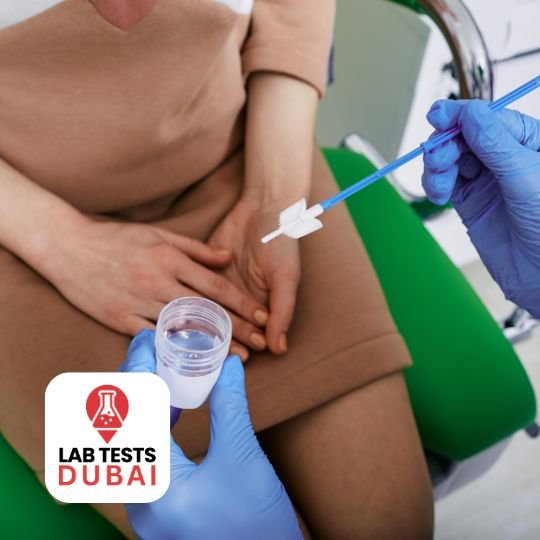
The sample is collected during a clinical visit, no fasting or special prep required.
Test Overview
Test Name | Haemophilus Ducreyi – Screening |
Sample Type | Smear from genital ulcer/base of lesion |
Methodology | Gram Staining & Dark-Field Microscopy |
Detection Target | Haemophilus ducreyibacteria (characteristic “school of fish” morphology) |
Turnaround Time (TAT) | 15 Days |
Report Includes | Microscopic findings and interpretation |
Best For | Diagnosing chancroid in patients with painful genital ulcers |
Category | Microbiology |
Note: While culture and PCR are more sensitive, smear + microscopy remains a rapid, cost-effective method in resource-limited or preliminary diagnostic settings.
FAQs
Q: Is chancroid the same as herpes?
A: No. Chancroid is bacterial (H. ducreyi), while herpes is viral (HSV-2). Ulcers may look similar, but chancroid ulcers are typically more painful and have ragged edges.
Q: Can women get chancroid?
A: Yes. Though often underdiagnosed in women due to internal lesions, it causes painful ulcers on labia, perineum, or cervix.
Q: Is this test painful?
A: The smear collection may cause brief discomfort if the ulcer is sensitive, but it’s quick and necessary for diagnosis.
Q: Do I need a doctor’s referral?
A: Not required. We accept self-referrals, but a clinical evaluation enhances accuracy.
Q: How is chancroid treated?
A: With antibiotics like azithromycin (single dose) or ceftriaxone. Sexual partners should also be treated.
Q: Can I transmit it even without symptoms?
A: Transmission is most likely when ulcers are present, though asymptomatic carriers are possible.
Q: Is my result confidential?
A: Yes. All STI test results are 100% private and securely delivered.
Your sexual health matters. Don’t ignore genital sores. The Haemophilus Ducreyi Screening Test gives you clear answers about painful ulcers — so you can get the right treatment and stop the spread. Book Your Haemophilus Ducreyi Test Today!


Reviews
There are no reviews yet.