
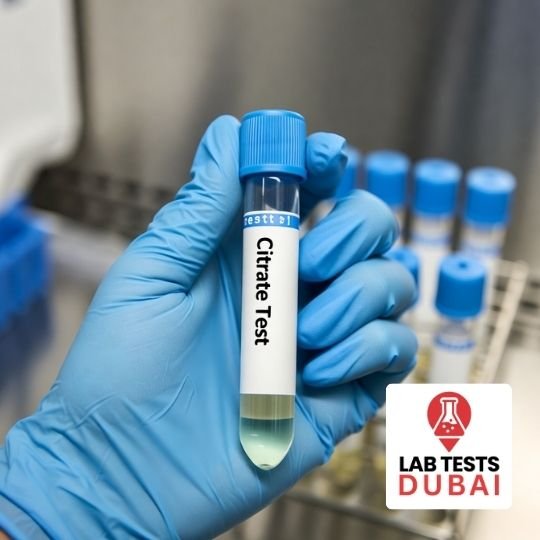
24-Hour Urine Citrate Test for Kidney Stone Prevention | Accurate Spectrophotometry Analysis for Optimal Kidney Health
750,00 د.إ
Sample Type : 24 Hour Urine
Methodology : Spectrophotometry
TAT : 10 Days
Description
24-Hour Urine Citrate Test for Kidney Stone Prevention | Accurate Spectrophotometry Analysis for Optimal Kidney Health
If you have ever passed a kidney stone, or watched someone you care about endure one, you know it isn’t just an inconvenience. It is a visceral, unforgettable pain that stops your life in its tracks.
But here is what most people don’t realize: the stone itself is just the final act of a long, silent biochemical play that has been unfolding inside your body for months or years. By the time you feel the pain, the damage is already done.
For the premium reader interested in longevity, biohacking, or simply taking ownership of their health, waiting for symptoms is a reactive strategy. The proactive approach involves looking at the specific chemistry of your urine.
Enter the 24-Hour Urine Citrate Test.
This isn’t just a diagnostic; it is a window into your metabolic health. It is the difference between guessing at your hydration levels and knowing, with data-backed precision, exactly how your kidneys are functioning.
The Unsung Hero: Why Citrate Matters
We often hear about calcium and oxalate when discussing kidney stones, but citrate is the unsung hero of renal health.
Citrate is a naturally occurring molecule, essentially a byproduct of your metabolism, produced primarily in the liver. Think of it as your body’s natural stone-prevention system. In a healthy urinary tract, citrate binds with calcium. By wrapping itself around calcium, it stops the mineral from crystallizing with other substances like oxalate or phosphate.
It is a molecular bodyguard.
However, when your citrate levels drop, a condition known as hypocitraturia, that defense mechanism crumbles. Calcium is left free to bind and form crystals. Those crystals grow, clump together, and eventually become the stones that send patients to the emergency room.
Low citrate doesn’t just mean you are at risk for stones; it is a signal that your metabolic environment is off-balance. It can be linked to chronic kidney disease, metabolic disorders, and renal tubular acidosis.
Why a Standard Urine Analysis Isn’t Enough
You might be wondering, “I give a urine sample at my annual physical. Isn’t that enough?”
The short answer is no.
A standard urinalysis provides a snapshot, a single moment in time. But your kidney function fluctuates wildly throughout the day based on what you eat, how much you drink, and how active you are.
To truly understand your risk profile, you need a full-motion picture, not a snapshot. That is why the 24-Hour Urine Citrate Test is the gold standard.
By collecting every drop of urine you produce over a 24-hour period, this test accounts for your daily variations. It provides a comprehensive view of your total citrate excretion. This is critical because catching a “low” moment versus a “high” moment can mean the difference between a correct diagnosis and a missed opportunity for intervention.
The Technology: How We Know What We Know
There is a level of rigor required for this test that goes beyond basic diagnostics. Once you submit your 24-hour collection, the sample undergoes Spectrophotometry.
This sounds complex, but the principle is elegant. Spectrophotometry measures how much light is absorbed by the urine sample at specific wavelengths. Because citrate interacts with light in a very specific way, this method allows lab technicians to measure its concentration with extreme precision. It eliminates the guesswork, providing you and your healthcare provider with reliable, actionable data.
While the turnaround time is approximately 10 days, the insight gained is worth the wait. It offers a clarity that few other tests can match.
When Should You Take Control?
Prevention is the only cure when it comes to kidney damage. You should consider this test if you fall into any of the following categories:
- The Veteran: You have a history of kidney stones and are determined never to experience that pain again.
- The Family Historian: Kidney stones run in your family, and you want to break the cycle.
- The Symptom Sufferer: You deal with unexplained persistent lower back or abdominal pain, blood in your urine (hematuria), or frequent urinary tract infections.
- The Monitor: You are currently undergoing treatment for renal conditions and need to verify that your protocol is working.
Ignoring these signs is a gamble. Untreated low citrate levels lead to recurrent stones, urinary obstructions, and in severe cases, chronic kidney disease.
Preparing for the 24-Hour Commitment
There is no way around it: collecting your urine for a full day is an inconvenience. But for the serious health optimist, it is a small price to pay for peace of mind.
To ensure the accuracy of your results, precision starts before you even collect the first sample:
- Dietary Control: Avoid consuming high-citrate foods or supplements for 24 hours before and during the collection period, unless your doctor specifically advises otherwise. We want to see your baseline, not a spiked level.
- Hydration Balance: Stay hydrated, but don’t overdo it. Excessive fluid intake can dilute the sample, skewing the results.
- Full Disclosure: Tell your doctor about every medication and supplement you take. Certain drugs can artificially alter citrate levels.
- The Collection: You must collect every sample. Missing even one trip to the bathroom can invalidate the entire dataset.
The Bottom Line
Your kidneys are filtration plants working 24/7 to keep your blood clean and your chemical balance in check. They do not complain until they are overwhelmed.
The 24-Hour Urine Citrate Test is the ultimate tool for the proactive patient. It transforms vague symptoms into hard data. It allows for targeted dietary adjustments, like increasing your intake of fruits and vegetables or reducing animal protein, before a stone ever has the chance to form.
Don’t wait for the emergency room. Take control of your metabolic health today. Whether you are looking to prevent a first stone, monitor a chronic condition, or simply optimize your body’s chemistry, this test offers the precision you need.
If you are ready to stop guessing and start knowing, book lab test online to get started. Your future self will thank you.
Frequently Asked Questions – 24-Hour Urine Citrate Test
What is the 24-Hour Urine Citrate Test?
This test measures the total amount of citrate excreted in your urine over a full 24-hour period. Citrate is a natural inhibitor of kidney stone formation, it binds to calcium and prevents crystals from growing into stones. Low levels (hypocitraturia) are a major risk factor for calcium-based kidney stones.
Why is a 24-hour collection necessary?
Citrate levels fluctuate throughout the day based on diet, hydration, and metabolism. A single “spot” urine sample can’t capture your true daily excretion. The 24-hour collection provides an accurate picture of your overall citrate output—essential for diagnosing stone risk and guiding treatment.
Who should take this test?
This test is recommended for:
– Anyone with a history of calcium oxalate or calcium phosphate kidney stones
– Individuals with recurrent stones despite dietary changes
– Patients with metabolic conditions like renal tubular acidosis or chronic diarrhea
– Those on high-protein or ketogenic diets
– People being evaluated for preventive therapy (e.g., potassium citrate)
How should I prepare for the test?
To ensure accuracy:
– Collect every drop of urine for exactly 24 hours in the provided container.
– Avoid excessive vitamin C (ascorbic acid) for 48 hours before and during collection, as it lowers citrate.
– Maintain your normal diet, do not make sudden changes.
– Keep the container refrigerated or on ice during collection.
How soon will I get my results?
Thanks to Spectrophotometry methodology, results are typically available within 1 business day after your sample reaches the lab. You’ll receive a secure digital report with your citrate level and clinical interpretation, ideal for sharing with your urologist or nephrologist.
Can low citrate be treated?
Yes. Treatment often includes:
– Potassium citrate supplements (prescription)
– Increasing intake of citrus fruits (lemons, oranges)
– Reducing animal protein and sodium
– Staying well-hydrated
Retesting after 3–6 months helps confirm that interventions are working to raise citrate and reduce stone risk.

Reviews
There are no reviews yet.