
Discover the Benefits of NIPT vs Traditional Genetic Testing
Benefits of NIPT: Why Choose Non-Invasive Prenatal Testing Over Traditional Genetic Testing
Expectant parents face difficult choices when assessing fetal health, and NIPT vs traditional genetic testing debates often center on balancing accuracy, safety, and timing. Non-Invasive Prenatal Testing (NIPT) analyzes fragments of fetal DNA in maternal blood to screen for chromosomal abnormalities with over 99% sensitivity, offering early insights without the miscarriage risk of invasive procedures. This article explores five core themes:
- What NIPT is and how it works
- Accuracy comparisons with First Trimester and Serum screenings
- Safety advantages over amniocentesis and CVS
- Early detection’s role in pregnancy planning
- Cost, accessibility, emerging capabilities, and ethical considerations
By understanding NIPT vs traditional genetic testing in depth, parents and providers can make informed decisions aligned with the latest prenatal care standards.
👉Learn about the risks and limitations of NIPT in Karama, Dubai
What Is Non-Invasive Prenatal Testing (NIPT) and How Does It Work?
Non-Invasive Prenatal Testing (NIPT) is a screening test that examines cell-free fetal DNA (cfDNA) fragments circulating in a pregnant person’s bloodstream to evaluate the risk of chromosomal conditions. This approach enables earlier detection from as early as 10 weeks’ gestation, promoting timely decision-making and reducing anxiety.
What Is Cell-Free Fetal DNA and Its Role in NIPT?
Cell-free fetal DNA (cfDNA) consists of small fragments of placental DNA that cross into maternal circulation. These DNA fragments reflect the fetus’s chromosomal makeup, allowing NIPT to estimate the probability of trisomy 21, 18, 13, and sex chromosome aneuploidies without sampling invasive tissues. cfDNA analysis forms the mechanistic basis of NIPT’s high accuracy.
How Is NIPT Performed and When Can It Be Done?
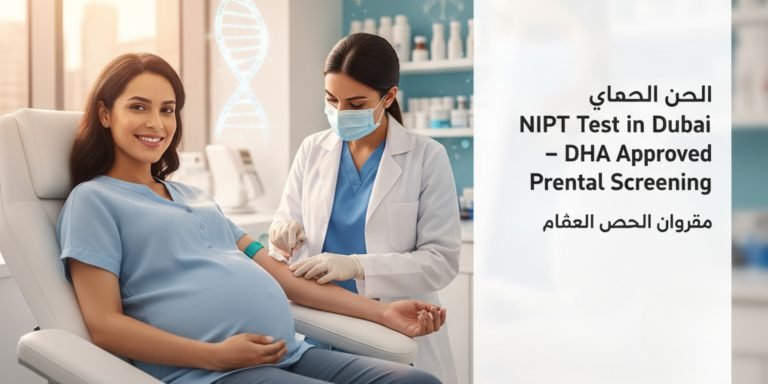
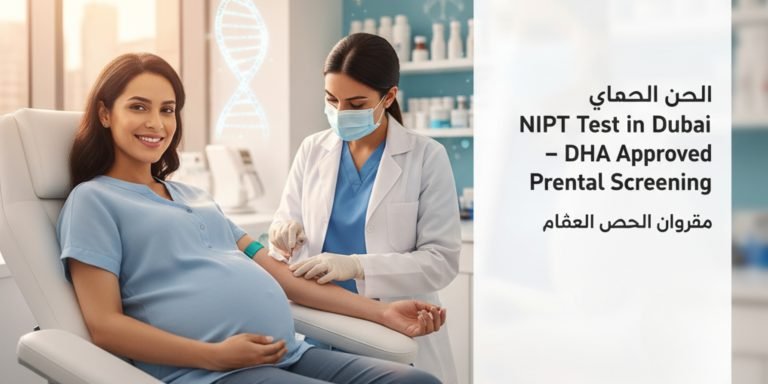
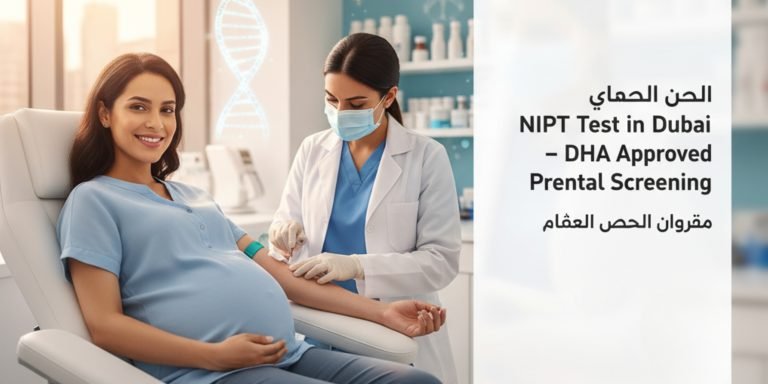
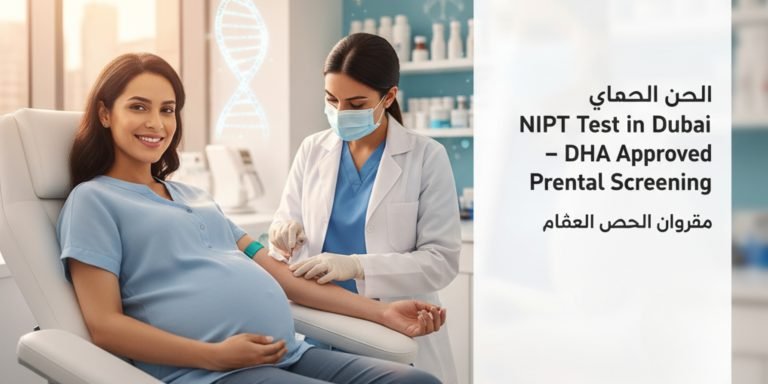
NIPT requires a straightforward blood draw from the mother, typically between 10 and 22 weeks of pregnancy. After centrifugation isolates plasma, advanced sequencing platforms identify fetal DNA fragments and quantify chromosomal representations. Because the procedure uses standard phlebotomy, it integrates seamlessly into routine prenatal visits.

What Chromosomal Abnormalities Does NIPT Screen For?
- Trisomy 21 (Down syndrome)
- Trisomy 18 (Edwards syndrome)
- Trisomy 13 (Patau syndrome)
- Sex chromosome aneuploidies (e.g., Turner syndrome)
Emerging panels also evaluate microdeletions (e.g., 22q11.2 deletion) and single-gene disorders, broadening the scope of non-invasive screening.
How Does NIPT Accuracy Compare to Traditional Prenatal Screening?
NIPT achieves sensitivity and specificity rates above 99% for common trisomies, significantly outperforming First Trimester Screening (FTS) and Maternal Serum Screening (MSS), which show 85–90% detection with 5–10% false positives. This superior reliability minimizes unnecessary invasive follow-up.
An introductory comparison table highlights key performance metrics:
| Screening Method | Detection Rate (Trisomy 21) | False Positive Rate | Typical Timing |
|---|---|---|---|
| NIPT | 99% | <0.1% | 10–22 weeks |
| First Trimester Screening | 85–90% | 5–7% | 11–14 weeks |
| Maternal Serum Screening | 70–80% | 5–10% | 15–20 weeks |
NIPT’s higher detection and minimal false alarms directly support safer prenatal care.
What Are the Detection Rates and False Positive Rates of NIPT?
NIPT demonstrates detection rates of 99% for Down syndrome, 97–98% for Edwards syndrome, and 90–92% for Patau syndrome. False positive rates remain under 0.2%, reducing the psychological and procedural burdens associated with equivocal results.
NIPT Accuracy and Detection Rates
NIPT demonstrates high accuracy in detecting common trisomies, with detection rates of 99% for Down syndrome, 97–98% for Edwards syndrome, and 90–92% for Patau syndrome. False positive rates remain under 0.2%.
This supports the article’s claim about the high accuracy of NIPT compared to traditional screening methods.
How Does NIPT Compare to First Trimester Screening and Maternal Serum Screening?
Unlike FTS, which combines nuchal translucency ultrasound with serum markers, NIPT focuses solely on cfDNA quantification, eliminating operator-dependent variability. Maternal serum screening relies on protein levels that fluctuate with maternal factors, whereas NIPT’s genomic readout yields consistently higher specificity.
What Are the Limitations and False Negative Risks of NIPT?
Although rare (<0.1%), false negatives occur when fetal fraction is insufficient (<4%) or due to mosaicism. NIPT remains a screening, not diagnostic, tool; positive results warrant confirmatory amniocentesis or CVS for definitive karyotyping.
What Are the Safety Benefits of Choosing NIPT Over Invasive Diagnostic Tests?
NIPT eliminates the procedural miscarriage risk associated with invasive tests, preserving pregnancy safety while delivering rapid results.
How Does NIPT Eliminate the Risk of Miscarriage?
Because NIPT uses a simple maternal blood draw, it carries no direct miscarriage risk. In contrast, amniocentesis and CVS introduce a 0.1–0.3% risk by breaching fetal membranes.
Safety of NIPT
NIPT is a non-invasive test that requires only a maternal blood sample, eliminating direct intervention in the fetus. Unlike amniocentesis or chorionic villus sampling, NIPT does not pose risks of amniotic fluid leakage, infection or miscarriage, making it a safer alternative for prenatal screening.
This supports the article’s claims regarding the safety benefits of NIPT over invasive diagnostic tests.
When Are Amniocentesis and Chorionic Villus Sampling Recommended Instead?
Definitive diagnostic tests like amniocentesis (15–20 weeks) and CVS (10–13 weeks) remain recommended when NIPT or traditional screens indicate high risk, a family history exists, or specific ultrasound anomalies appear. They provide chromosomal karyotypes and single-gene analyses.
How Does NIPT Reduce the Need for Invasive Follow-Up Procedures?
By accurately ruling out aneuploidy in low-risk cases, NIPT can decrease unnecessary amniocenteses by up to 89%, sparing invasive procedures for true high-risk pregnancies.
NIPT vs. Traditional Screening
NIPT has consistently demonstrated low false positive rates (higher specificity) and higher detection rates (higher sensitivity) compared to traditional serum screening for common aneuploidies. NIPT can lead to 89% fewer unnecessary invasive tests as compared to traditional serum screening.
This citation highlights the superior performance of NIPT in terms of accuracy and the reduction of unnecessary invasive procedures.
How Does Early Detection with NIPT Support Informed Pregnancy Decisions?
Early genetic insights from NIPT create critical time for medical planning, lifestyle adjustments, and emotional preparation, improving overall prenatal care.
Why Is Early Genetic Screening Important for Expectant Parents?
Early risk assessment allows for specialist referrals, high-risk pregnancy monitoring, and deliberation of care options long before third-trimester decisions. Timely information also eases emotional distress through proactive counseling.
How Can NIPT Results Influence Pregnancy Planning and Care?
Positive NIPT findings prompt multidisciplinary consultations, targeted ultrasound surveillance, and pediatric care coordination. Negative results reassure families and reduce interventionism, guiding routine obstetric management.
What Role Does Genetic Counseling Play After NIPT?
Genetic counselors interpret results, discuss residual risks, and outline confirmatory testing when needed. Their guidance ensures parents understand probabilities, ethical considerations, and potential next steps in a supportive setting.
What Are the Cost and Accessibility Considerations for NIPT?
Although NIPT carries a higher sticker price than FTS or MSS, its long-term value emerges through reduced invasive follow-ups and more efficient resource allocation.
| Test Type | Average Cost (USD) | Insurance Coverage |
|---|---|---|
| NIPT | 800–1,200 | Often covered for AMA or high risk |
| First Trimester | 300–500 | Widely covered |
| Maternal Serum | 200–400 | Widely covered |
Real-world studies show that preventing avoidable amniocentesis and associated complications offsets NIPT’s upfront costs, delivering net savings and improved maternal-fetal outcomes.
How Does the Cost of NIPT Compare to Traditional Testing and Diagnostics?
Upfront NIPT cost averages twice an FTS, but when factoring in the 5–10% false positives that lead to invasive diagnostics, overall spending aligns closely or favors NIPT in many insurance environments.
What Insurance Coverage Options Are Available for NIPT?
Private insurers and public programs often cover NIPT for those of advanced maternal age, prior aneuploidy, abnormal ultrasound findings, or family history. Coverage policies continue expanding as NIPT guidelines evolve.
How Does NIPT Provide Long-Term Value in Prenatal Care?
Early, accurate screening streamlines care pathways, limits unnecessary procedures, and supports targeted resource use. This strategic approach enhances maternal health, reduces hospital stays, and improves neonatal preparedness.
What Are the Emerging Capabilities and Ethical Considerations of NIPT?
Advancements now allow NIPT panels to include microdeletions, duplications, and select single-gene disorders, raising both clinical opportunities and ethical dilemmas around expanded fetal genotyping.
How Is NIPT Evolving to Screen for Microdeletions and Single-Gene Disorders?
Next-generation sequencing refinements and targeted assays enable detection of conditions like DiGeorge syndrome (22q11.2 deletion) and spinal muscular atrophy with >90% sensitivity, paving the way for broader non-invasive genomic insights.
What Are the Ethical Implications of Early and Comprehensive Genetic Screening?
Comprehensive panels may detect variants of uncertain significance, challenging informed consent boundaries and amplifying decision complexity. Ethical frameworks must balance parental autonomy with potential anxiety and societal impacts of prenatal genotyping.
How Should Parents Approach Decision-Making with Expanding NIPT Options?
Parents should weigh personal values, counseling perspectives, and clinical utility when selecting expanded panels. Engaging multidisciplinary teams, clarifying actionable outcomes, and understanding residual risks foster responsible use of emerging capabilities.
Frequently Asked Questions About NIPT vs Traditional Prenatal Testing
Is NIPT More Accurate Than Combined First Trimester Screening?
Yes, NIPT achieves over 99% detection for Down syndrome compared to 85–90% with combined ultrasound and serum markers, offering significantly fewer false positives.
What Are the Disadvantages or Limitations of NIPT?
NIPT may yield inconclusive results when fetal fraction is low (<4%) or in cases of confined placental mosaicism. It does not replace diagnostic tests and may not detect all structural chromosomal abnormalities.
How Does NIPT Differ from Amniocentesis in Purpose and Procedure?
NIPT is a non-invasive screening that estimates aneuploidy risk via maternal blood, while amniocentesis is an invasive diagnostic procedure sampling amniotic fluid to confirm chromosomal or genetic disorders.
Can NIPT Detect All Chromosomal Abnormalities?
No, standard NIPT focuses on common trisomies and sex chromosome aneuploidies. Detection of rare translocations, structural rearrangements, or very small microdeletions often requires diagnostic karyotyping or microarray analysis.
Choosing NIPT over traditional genetic testing empowers expectant parents with early, highly accurate, and safe risk assessment. By eliminating invasive procedure risks, streamlining decision-making, and expanding genomic capabilities, NIPT redefines modern prenatal care. Consult a qualified provider or genetic counselor to determine which screening approach best aligns with your clinical profile and personal values.
Take the next step toward peace of mind during pregnancy. Book your DHA-approved NIPT Test in Dubai with Lab Tests Dubai and get accurate, non-invasive prenatal screening from as early as 10 weeks. Our certified team provides home sample collection, expert counseling, and fast results you can trust.
👉 Book Your NIPT Test in Dubai Today