
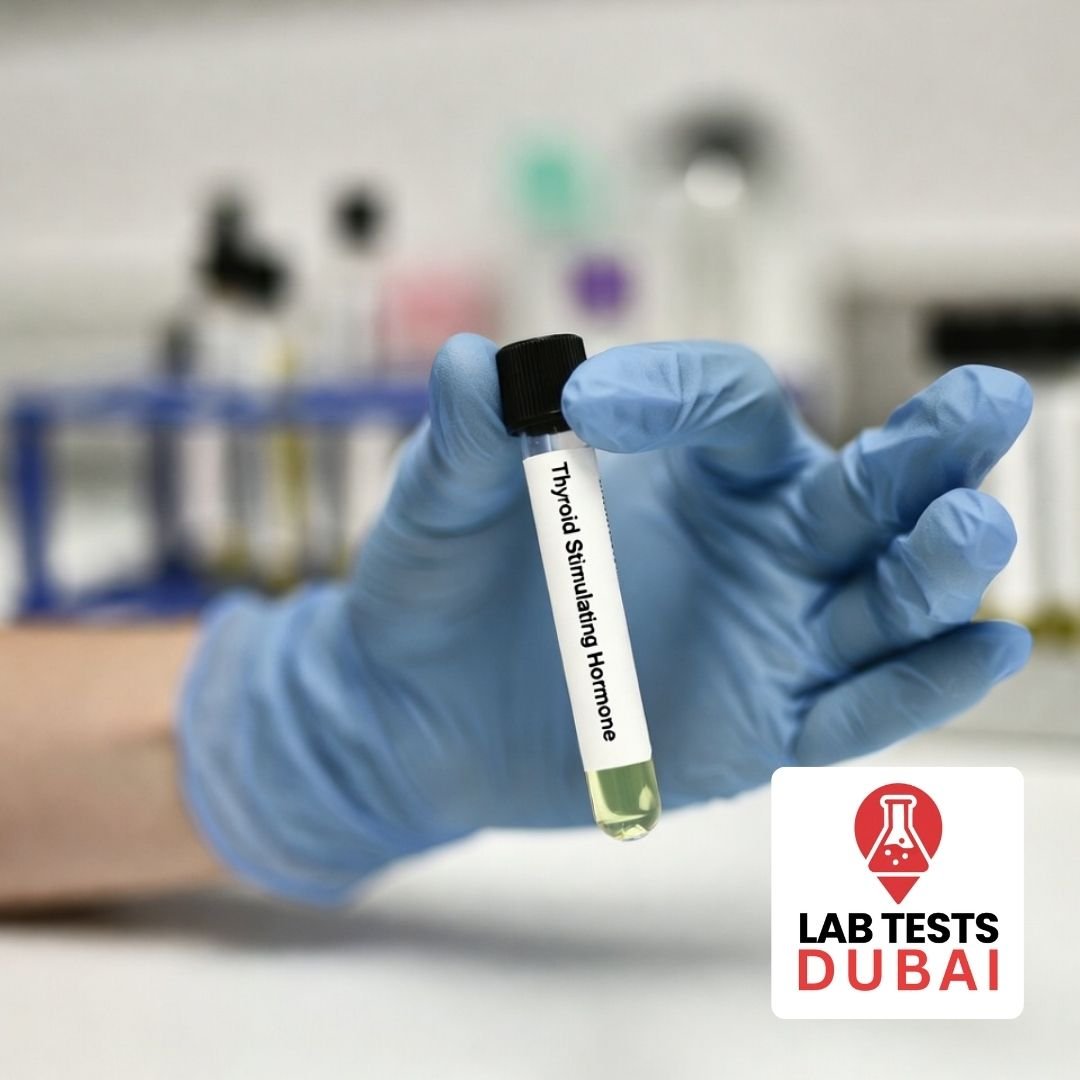
Thyroid Stimulating Hormone (TSH)- Heel Prick
350,00 د.إ
For newborns, the elderly, or anyone who prefers a minimally invasive approach, the standard blood draw can feel daunting. The Thyroid Stimulating Hormone (TSH) – Heel Prick Test offers a solution that is as effective as it is gentle.
Sample Type : Whole Blood
Methodology : Enzyme-immunoassay
TAT : 10 Days
Description
Thyroid Stimulating Hormone (TSH) – Heel Prick Test
When it comes to monitoring our health, the methods we choose matter. For newborns, the elderly, or anyone who prefers a minimally invasive approach, the standard blood draw can feel daunting. The Thyroid Stimulating Hormone (TSH) – Heel Prick Test offers a solution that is as effective as it is gentle.
By measuring TSH levels through a simple heel prick, this test provides a critical window into thyroid function without the need for traditional venipuncture. Whether you are screening a newborn for congenital conditions or monitoring an adult’s metabolic health, this test ensures that early detection and effective management remain accessible to everyone.
Why This Test Is Essential
The thyroid gland is the body’s metabolic engine, influencing everything from energy levels to growth and temperature regulation. The “gas pedal” for this engine is TSH (Thyroid Stimulating Hormone), produced by the pituitary gland.
The TSH Heel Prick test is vital because:
- It Protects Newborn Futures: For infants, this test is a cornerstone of newborn screening. Early detection of thyroid dysfunction is the only way to prevent severe developmental delays, stunted growth, and intellectual disabilities. A simple heel prick within the first few days of life can alter a child’s entire trajectory.
- It Empowers Adults: For adults who struggle with needle anxiety or difficult veins, this method offers a way to diagnose and monitor conditions like hypothyroidism (underactive thyroid) or hyperthyroidism (overactive thyroid) without the stress of a standard blood draw.
- It Provides Clarity: Abnormal TSH levels are often the first sign of a thyroid imbalance. Catching these changes early allows for timely treatment, preventing long-term complications.
Recognizing the Signs: When to Test
Thyroid disorders are often called “silent” diseases because their symptoms can be subtle or mistaken for other issues. You should consider a TSH Heel Prick test if you or your child notice:
In Adults:
- Persistent fatigue or unexplained tiredness.
- Unexplained weight gain or difficulty losing weight.
- Sensitivity to cold temperatures.
- Dry skin, hair thinning, or brittle nails.
- Depression, mood changes, or “brain fog.”
- Irregular menstrual cycles.
- A visible swelling in the neck (goiter).
- Rapid or irregular heartbeat.
In Infants and Children:
- Developmental delays (such as late walking or talking).
- Excessive sleepiness or difficulty feeding.
- Prolonged jaundice (yellowing of the skin or eyes).
- Poor growth or failure to thrive.
If these symptoms sound familiar, the TSH Heel Prick test can help identify the root cause.
Understanding the Biology: The TSH Message
To understand the test, it helps to visualize the body’s communication network. TSH is produced by the pituitary gland, a tiny organ at the base of the brain. It acts as a messenger, traveling through the blood to signal the thyroid gland.
The thyroid responds by producing two key hormones: thyroxine (T4) and triiodothyronine (T3). These hormones regulate how the body uses energy, how the heart beats, and how the body maintains temperature.
Factors like stress, iodine deficiency, autoimmune conditions, or genetics can disrupt this chain of communication. If the pituitary senses low thyroid hormones, it pumps out more TSH; if hormones are too high, it slows TSH production. The Heel Prick test captures this specific “message” (TSH level) to see if the communication is flowing smoothly.
The Cost of Silence: Risks of Untreated Thyroid Issues
Ignoring abnormal TSH levels allows the imbalance to wreak havoc on the body.
If hypothyroidism is left untreated:
- In Adults: It can lead to high cholesterol, heart disease, infertility, and myxedema, a rare but life-threatening condition involving extreme lethargy and intolerance to cold.
- In Newborns: The consequences are profound. Untreated congenital hypothyroidism is a leading cause of preventable intellectual disability and permanent growth stunting.
If hyperthyroidism is left untreated:
- It can cause osteoporosis (brittle bones), heart rhythm disorders like atrial fibrillation, and “thyroid storm”, a sudden, life-threatening acceleration of heart rate and body temperature.
Early detection is the only safety net against these outcomes.
How to Prepare for the Thyroid Stimulating Hormone (TSH) Test
One of the major advantages of the TSH Heel Prick test is its simplicity.
- No Fasting Required: You do not need to fast or change your diet before the test.
- Medications: Continue taking your regular medications unless your healthcare provider advises otherwise.
- For Newborns: The test is typically performed within the first few days of life. It is quick, causes minimal discomfort, and provides peace of mind.
What to Expect: Precision and Ease
The Thyroid Stimulating Hormone (TSH) Heel Prick test is designed with patient comfort in mind, without sacrificing accuracy.
- Sample Type: A small drop of Whole Blood collected from the heel.
- Methodology: The sample is analyzed using Enzyme-immunoassay technology. This advanced method ensures that even small samples provide precise, reliable data.
- Turnaround Time: Results are typically available within 10 Days. This timeframe allows for the specialized analysis required to deliver the high standard of accuracy you need.
Take Control of Your Health
Whether you are a new parent ensuring your baby’s healthy start or an adult seeking a gentler way to monitor your metabolic health, the Thyroid Stimulating Hormone (TSH) – Heel Prick Test is a powerful tool.
Don’t let fear of needles or uncertainty about symptoms stand in the way of answers. This test provides the insights needed for proactive care, early intervention, and a healthier future.
Book your lab test online today. Choose the trusted, minimally invasive option for your thyroid health, Choose Lab Tests Dubai.
Frequently Asked Questions – TSH Heel Prick Test
What is the TSH Heel Prick Test?
This test measures Thyroid Stimulating Hormone (TSH) from a small blood sample collected via a gentle heel prick in newborns. It’s a critical part of newborn screening programs to detect congenital hypothyroidism, a condition where the baby’s thyroid gland doesn’t produce enough thyroid hormone, which can lead to severe developmental delays if untreated.
When should this test be done?
The test is ideally performed between 48–72 hours after birth, once the baby has started feeding. Testing too early (before 24 hours) can yield false results due to natural TSH surges after delivery. If your baby was discharged early, it’s important to schedule this test within the first week of life.
Why is newborn TSH screening important?
Most babies with congenital hypothyroidism appear normal at birth. Without screening, symptoms like prolonged jaundice, poor feeding, lethargy, constipation, or low muscle tone may go unnoticed until irreversible brain damage occurs. Early detection and treatment with thyroid hormone can allow normal development.
Is the heel prick safe and painful?
The procedure is minimally invasive and causes only brief discomfort, similar to a finger prick. Our trained phlebotomists use sterile lancets and follow strict protocols to ensure safety and comfort. The benefits of early diagnosis far outweigh the momentary sensation.
How soon will I get the results?
Thanks to Chemiluminescence and MEIA methodology, results are typically available within 1 business day. If TSH is elevated, you’ll be contacted immediately for confirmatory testing and pediatric endocrinology consultation to start treatment without delay.
What happens if the test is positive?
An elevated TSH does not always mean your baby has hypothyroidism, it could be a temporary fluctuation. However, prompt follow-up with a serum TSH and Free T4 blood test is essential. If confirmed, treatment with daily levothyroxine is highly effective, especially when started before 2 weeks of age.


Reviews
There are no reviews yet.