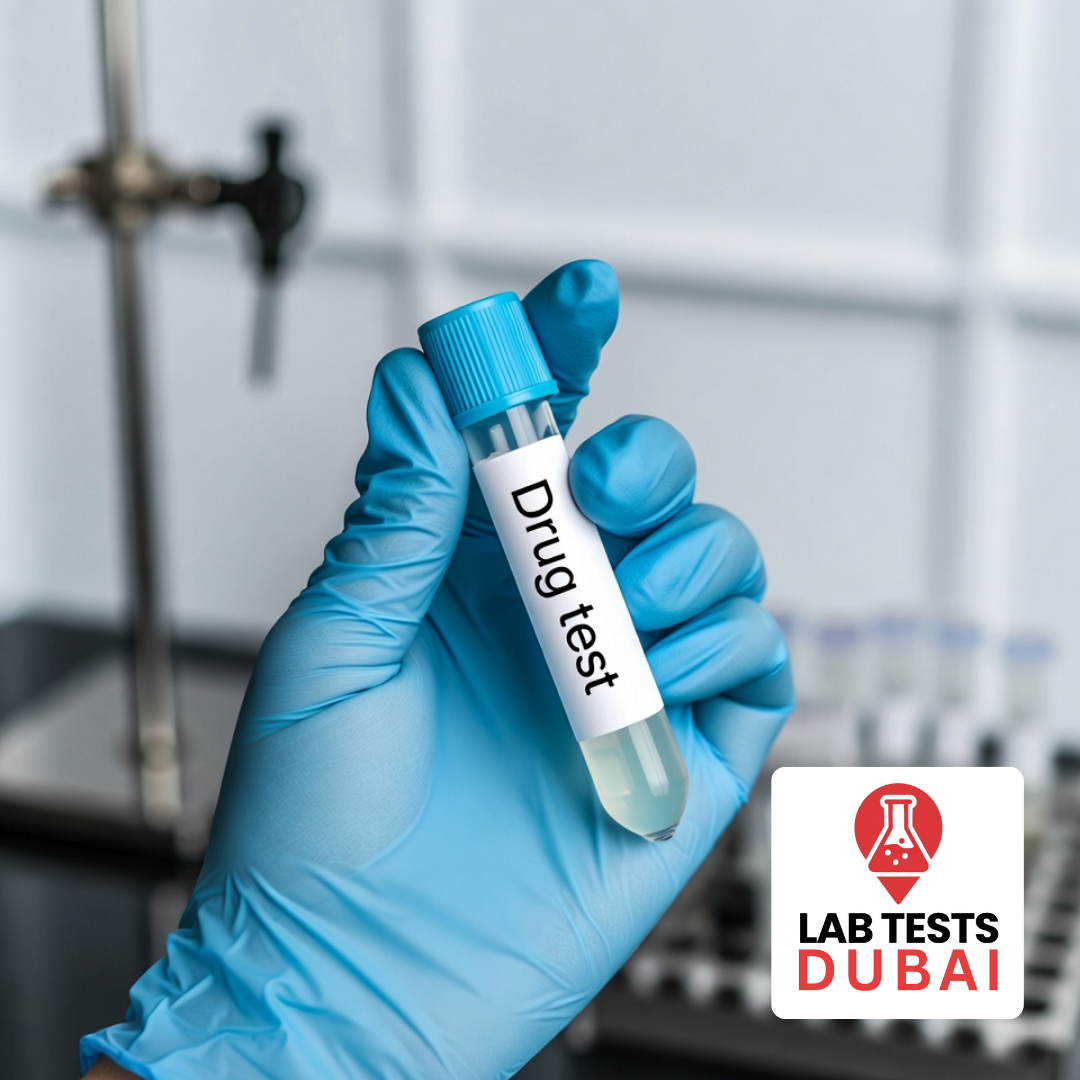
Drug Abuse Screen – Urine Drug Test
650,00 د.إ
Comprehensive 10-panel urine drug test designed for rapid, accurate detection of common substances of abuse, including Amphetamines, Barbiturates, Cocaine, Cannabis, Benzodiazepines, Phencyclidine (PCP), Methadone, Opiates, Methamphetamine, and Tricyclic Antidepressants.
Sample Type : Random Urine
Methodology : Immunochromatography
TAT : 1 Day
Description
Drug Abuse Screen – Urine Drug Test (Amphetamine, Barbiturates, Cocaine, Cannabis, Benzodiazepines, Phencyclidine, Methadone, Opiates, Methamphetamine, Tricyclic Antidepressants)
Substance use is rarely a black-and-white issue. It operates in the grey areas of health, psychology, social pressure, and sometimes, genuine medical necessity. Whether for personal peace of mind, workplace safety, or a critical step in a recovery journey, the need for objective, biological data is undeniable.
When the lines are blurred, you need more than a conversation; you need facts.
The Drug Abuse Screen – Urine is a comprehensive diagnostic tool designed to cut through the ambiguity. It is a 10-panel assessment that detects the presence of ten major substance categories, from amphetamines and opiates to benzodiazepines and cannabis. By providing a definitive snapshot of substance use, this test serves as a vital foundation for intervention, treatment planning, and health preservation.
The 10-Panel Spectrum: What This Test Detects
Navigating the world of drug testing can be complex, but this screen covers the most commonly abused and legally regulated substances. It provides a broad-spectrum analysis that leaves little room for doubt.
The test specifically screens for:
- Amphetamines & Methamphetamine: Powerful stimulants often used for attention disorders or abused for their energy-boosting effects.
- Cocaine: A potent stimulant derived from the coca plant.
- Opiates & Methadone: This class includes natural derivatives like morphine and codeine, as well as synthetic opioids used in pain management and addiction treatment.
- Cannabis (THC): The psychoactive component of marijuana.
- Benzodiazepines: Prescription sedatives used to treat anxiety and insomnia, which carry a high risk of dependency.
- Barbiturates: Central nervous system depressants, less common now but still significant in abuse screening.
- Phencyclidine (PCP): A dissociative drug known for its hallucinogenic effects.
- Tricyclic Antidepressants (TCAs): An older class of antidepressants that can be dangerous in overdose or misuse scenarios.
Why You Need This Drug Test: Beyond Compliance
While this test is often associated with workplace compliance or legal requirements, its utility extends far deeper into personal and public health.
For Individuals and Families: If you suspect a loved one is struggling, or if you are personally trying to regain control over your health, this test provides the “hard truth” needed to confront denial. It validates suspicions with medical evidence, serving as a catalyst for conversation and help.
For Healthcare Providers: For doctors managing pain or mental health, this screen is essential for monitoring treatment plans. It helps distinguish between legitimate medication use and potential misuse, ensuring patient safety and the efficacy of prescribed therapies.
For Employers and Organizations: Safety is paramount. In industries where impairment can lead to fatal accidents, this test is a non-negotiable layer of risk management.
The Biological Footprint: How Detection Works
The human body is an efficient chemical processor. When drugs are introduced, whether swallowed, inhaled, or injected—the body breaks them down into metabolites. These metabolites are filtered by the kidneys and excreted in urine.
This test utilizes Immunochromatography, a rapid biochemical technology that acts like a magnet for specific drug metabolites. It doesn’t just guess; it chemically identifies the unique fingerprint of each substance class.
Factors such as age, weight, liver function, and frequency of use all influence how long these substances remain detectable. This screen captures that window of time, providing a reliable record of recent exposure.
The Silent Signs: Symptoms That Warrant Screening
Often, behavioral changes precede physical ones. You might need this test if you observe:
- Behavioral Shifts: Sudden mood swings, unexplained aggression, paranoia, or social withdrawal.
- Physical Decline: Drowsiness, slurred speech, impaired coordination, or tremors.
- Performance Drops: A sharp decline in academic or work performance, coupled with absenteeism.
- Cognitive Fog: Confusion, memory lapses, or a general “out of it” demeanor.
- Emergency Signs: Difficulty breathing, unconsciousness, or seizures, indications of a potential overdose.
The Cost of the Unknown
What happens if substance abuse goes unchecked? The consequences are rarely limited to the user alone.
Physically: Prolonged abuse leads to organ damage, liver failure from toxins, heart damage from stimulants, and respiratory depression from depressants. The risk of fatal overdose is a constant, looming shadow.
Mentally: Untreated dependency often spirals into severe mental health disorders, creating a vicious cycle that is difficult to break without intervention.
Socially: The erosion of relationships, career loss, and financial ruin are common byproducts of untreated addiction.
A Drug Abuse Screen is the first step in pulling the emergency brake. Early detection transforms a potentially fatal trajectory into a manageable condition.
How to Prepare for the Test
Accuracy is paramount, and preparation is simple but important.
- Transparency: Inform your healthcare provider about any prescription medications or supplements you are taking. Certain legitimate drugs (like ADHD meds or antidepressants) can trigger positive results for specific classes.
- Avoid Interference: Do not consume over-the-counter drugs or herbal remedies that might interfere with the assay unless prescribed.
- Hydration: Drink water to stay hydrated, but avoid excessive fluid intake immediately before the test to prevent sample dilution, which can invalidate the results.
Test Overview:
- Sample Type: Random Urine
- Methodology: Immunochromatography
- Turnaround Time (TAT): 1 Day
Take Control of the Narrative
Whether you are an employer ensuring a safe workplace, a clinician monitoring a patient, or an individual seeking clarity amidst confusion, this test offers a rapid, reliable solution.
Knowledge is the first step toward resolution. Don’t let doubts fester or risks escalate.
Book your lab test online today. Schedule this essential screening and get the answers you need to make informed, safe decisions. Take control of your health and well-being now.
Frequently Asked Questions – Comprehensive Drug Abuse Screen (Urine)
What drugs does this test screen for?
This urine test screens for 10 major classes of substances:
– Amphetamines
– Barbiturates
– Cocaine
– Cannabis (THC)
– Benzodiazepines
– Phencyclidine (PCP)
– Methadone
– Opiates
– Methamphetamine
– Tricyclic Antidepressants (TCAs)
Is this test legally compliant in the UAE?
Yes. Lab Tests Dubai is an accredited diagnostic facility operating under UAE health authority guidelines. This test is used for medical, occupational, and legal purposes in full compliance with local laws. All results are handled with strict confidentiality and chain-of-custody protocols when required.
How long after use can drugs be detected?
Detection windows vary by substance and individual metabolism:
– Cannabis: 3–30 days (frequent users)
– Cocaine, Amphetamines: 2–4 days
– Opiates: 2–5 days
– Benzodiazepines: 2–7 days
– Barbiturates: up to 3 weeks
– Methadone, PCP, TCAs: 2–7 days
Hydration, body fat, and frequency of use also affect detection time.
Do I need to prepare for the test?
No special preparation is needed. Provide a fresh urine sample at our collection center. Avoid excessive water intake before testing, as it may dilute the sample and lead to inconclusive results.
Can prescription medications cause a positive result?
Yes. Some legal prescriptions can trigger initial positives:
– Amphetamines: ADHD medications (e.g., Adderall)
– Opiates: Codeine-containing cough syrups
– Benzodiazepines: Anti-anxiety or sleep medications
– TCAs: Certain antidepressants
If you’re taking prescribed medication, inform the lab staff. Confirmatory testing (e.g., GC-MS) can distinguish between illicit use and legitimate prescriptions.
How soon will I get my results?
Initial screening results are typically available within 24–48 hours. You’ll receive a secure digital report.


Reviews
There are no reviews yet.