What Happens To Your Kidneys After 30 Days Without Sugar
Many people who cut added sugar for 30 days see lower blood glucose and reduced kidney strain, with decreased inflammation and sometimes reduced protein in your urine; you should watch for electrolyte shifts and medication changes if you have kidney disease and consult your clinician.
Key Takeaways:
- Lower blood glucose and insulin levels may reduce filtration stress on kidneys and decrease risk of diabetic kidney damage.
- Reduced systemic inflammation and oxidative stress can slow progression of kidney injury and improve overall renal function markers.
- Modest weight loss and reduced blood pressure often follow sugar reduction and relieve pressure-related strain on the kidneys.
- Improved lipid profile, including lower triglycerides, may limit fatty deposits that contribute to kidney dysfunction.
- Reduced dietary fructose often lowers uric acid levels, which can decrease risk of kidney stones and gout-related kidney stress.
Week 1: Immediate Reduction in Filtration Load
Kidneys begin reducing excess filtration as you stop sugar, easing pressure on glomeruli within days; this lowers hyperfiltration and can reduce the risk of progressive damage while urine output stabilizes and waste handling becomes more efficient.
Stabilizing Blood Glucose to Protect the Nephrons
Stable glucose levels help you avoid peaks that cause osmotic stress on nephrons, lowering inflammation and reducing the chance of further microvascular injury while improving long-term filtration consistency.
Alleviating Osmotic Pressure and Improving Hydration Efficiency
Osmotic pressure drops when you cut sugar, so less water is pulled into urine, improving hydration efficiency and reducing tubular workload to ease kidney strain.
Reducing serum osmolality means your kidneys conserve fluid better, which reduces dehydration risk and limits repetitive tubular stress that can accelerate scarring; you may see steadier electrolytes and fewer urgent urinations as renal handling normalizes.
Week 2: Mitigation of Chronic Inflammation
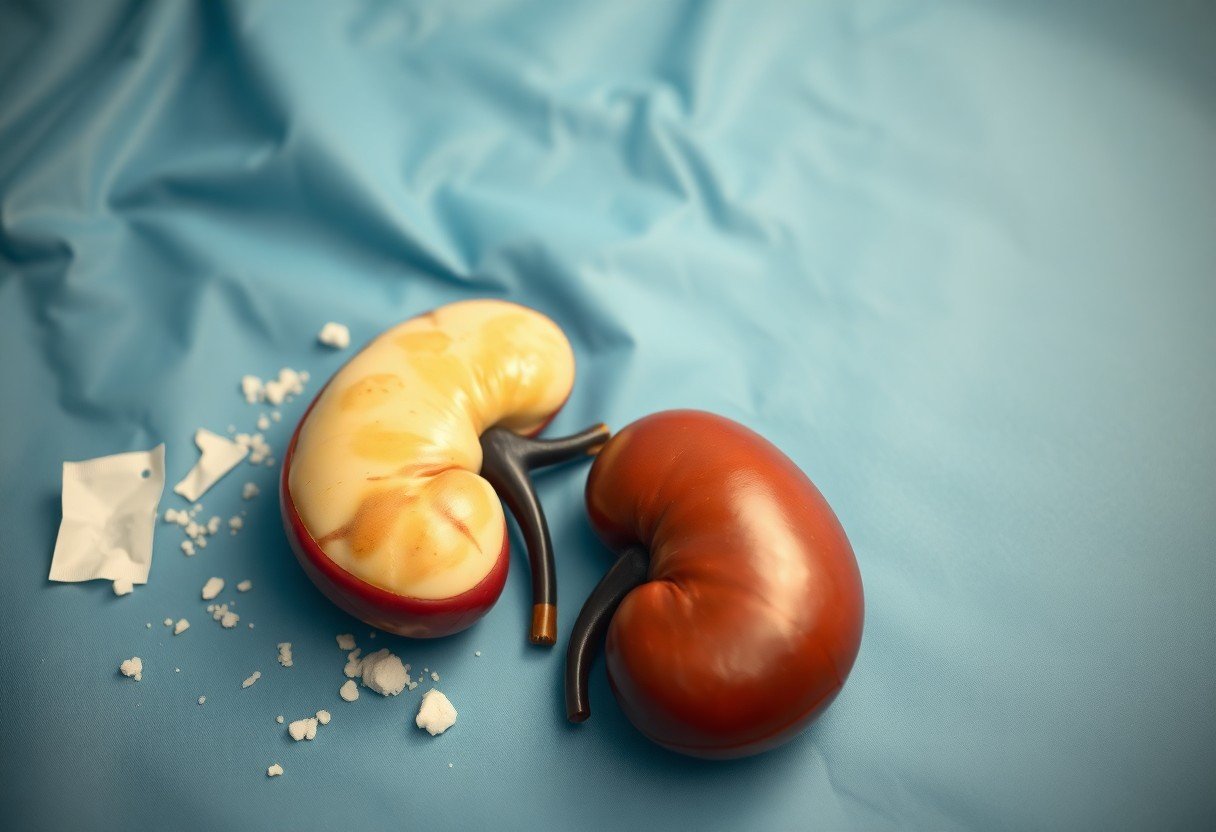
You’ll notice declines in baseline inflammation by day 14, easing renal strain and lowering albuminuria risk; see clinical observations by a physician: Harvard doctor reveals what really happens when you quit sugar.
Reduction of Pro-inflammatory Cytokines in Kidney Tissue
Reduced cytokine signalling means you have less immune-driven tissue injury, which can decrease scarring and preserve filtration across nephrons.
Lowering Oxidative Stress within the Renal Cortex
Lowering oxidative load lets your antioxidant systems recover, cutting free-radical damage to glomeruli and tubules and improving cellular function.
Oxidative processes in the renal cortex damage mitochondria and enzymes; as you cut sugar, antioxidant defenses rebound, reducing ROS-driven injury, slowing fibrosis, improving energy metabolism, and helping preserve long-term glomerular function.
Week 3: Blood Pressure Regulation and Fluid Balance
By day 21 you’ll often see improved salt handling and reduced fluid retention, which helps lower stress on the kidneys and can contribute to modest blood pressure drops.
Fructose Cessation and the Reduction of Uric Acid
Stopping dietary fructose cuts hepatic uric acid production so you experience lower serum uric acid, reducing tubular inflammation and easing renal workload.
Impact on the Renin-Angiotensin System and Hypertension
Cutting added sugars can blunt renin-angiotensin activation, so you may see decreased angiotensin II activity and less vasoconstriction, protecting kidneys from hypertension-related damage.
Lowering sugar intake also reduces insulin surges and sympathetic drive that trigger renin release, which dampens RAS-driven sodium retention. You may notice gradual blood pressure improvements and less albuminuria risk, though those with established hypertension should monitor medications with their clinician as treatments are adjusted.
Week 4: Assessing Functional Recovery and Stability
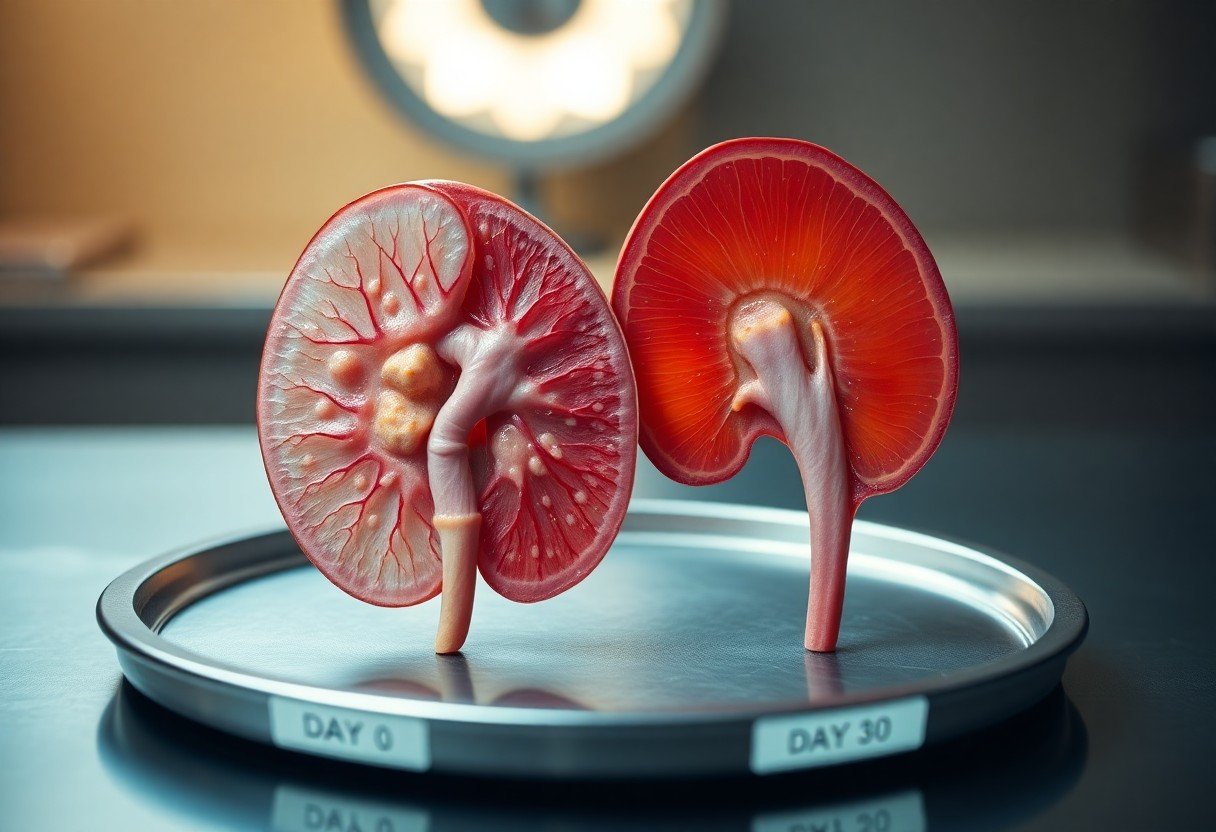
You may notice stabilized glomerular filtration and less inflammatory swelling by day 30, with improved urine clarity and lower blood glucose-related strain; however, pre-existing kidney damage can persist, so ongoing monitoring remains important.
Improvements in Albuminuria and Proteinuria Markers
Markers show measurable drops in albuminuria and proteinuria by day 30, meaning you may excrete less protein and experience reduced glomerular stress; ongoing gains depend on blood pressure and glycemic control.
Enhanced Metabolic Efficiency and Electrolyte Balance
Metabolic shifts after 30 days without sugar improve insulin sensitivity, so you process solutes more efficiently and maintain steadier electrolytes; monitor for dangerous sodium or potassium imbalances if intake changes abruptly.
Monitor your fluid intake, sodium and potassium as insulin sensitivity increases and urinary sodium excretion shifts; you may see improved creatinine clearance and lower fasting glucose, yet abrupt diuretics or extreme dietary changes can cause dangerous electrolyte losses that require prompt medical review.
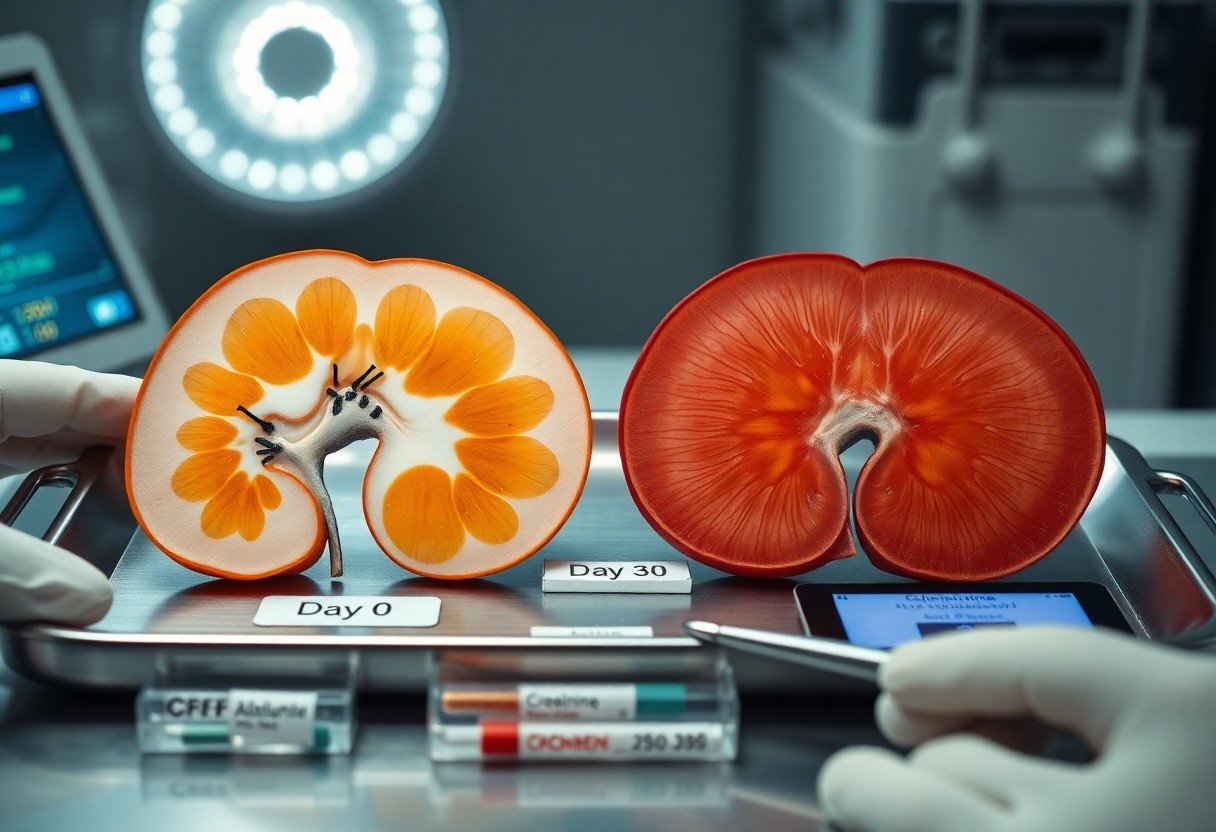
Clinical Biomarkers of Renal Improvement
You may notice reduced albuminuria and modest creatinine shifts within 30 days; compare eGFR trends and context at 30-Day No Sugar Challenge: Benefits, What to … – Healthline, as lower albumin and stabilized eGFR suggest less renal stress.
Analyzing Trends in eGFR and Creatinine Clearance
Monitoring your eGFR trajectory and creatinine clearance over the month helps you detect early filtration improvement, where rising eGFR and falling creatinine indicate reduced glomerular strain.
Long-term Risk Reduction for Chronic Kidney Disease (CKD)
Lowering your sugar intake for 30 days can initiate declines in CKD-related markers; maintained changes point toward reduced progression risk when you sustain metabolic improvements.
Sustained sugar reduction beyond 30 days often produces greater gains: you may see reduced albuminuria, lower blood pressure, and improved glycemic control, which together lessen glomerular pressure. Over months, decreased inflammation and better lipid profiles can translate into a measurable slowing of CKD progression, especially when combined with exercise and blood pressure management.
To wrap up
Upon reflecting you typically experience lower glycemic stress, reduced inflammation, improved blood pressure control, eased filtration workload and lower markers of kidney damage after 30 days without sugar, with long-term kidney benefit dependent on maintaining healthier dietary and metabolic habits.
FAQ
Q: What physiological changes occur in kidneys after 30 days without sugar?
A: Your kidneys may experience reduced glomerular hyperfiltration because lower blood glucose lowers the filtered glucose load and insulin-driven kidney strain. Reduced systemic inflammation and oxidative stress can ease injury to renal cells. Measurable drops in urine albumin excretion can appear in people with early diabetic nephropathy or metabolic dysfunction.
Q: Can 30 days without sugar reverse existing kidney damage?
A: Complete reversal of established structural kidney damage is unlikely in 30 days. Early functional improvements, such as lower albuminuria and improved filtration dynamics, can occur when hyperglycemia was a key driver. Longstanding scarring and nephron loss usually require months to years and targeted medical treatment.
Q: How does eliminating sugar affect blood pressure and kidney stress after 30 days?
A: Lower added sugar intake often leads to modest blood pressure reductions via weight loss and improved insulin sensitivity. Reduced blood pressure lowers intraglomerular pressure and lessens ongoing strain on nephrons. Better vascular function and sodium handling can also decrease kidney workload for many people.
Q: Will urine or blood tests show changes after a month without sugar?
A: Urine testing can show a lower albumin-to-creatinine ratio and reduced markers of inflammation or oxidative stress in some individuals. Blood glucose and HbA1c values may fall enough to reduce glycosuria depending on baseline control. Reduced fructose intake can normalize uric acid excretion and lower kidney stone risk in susceptible people.
Q: Are there any risks to the kidneys from quitting sugar abruptly for 30 days?
A: Rapid dietary changes that produce quick weight loss can cause dehydration and transient kidney stress if fluids are inadequate. Low-carbohydrate approaches may raise ketone levels and alter acid-base balance, which can be problematic in people with advanced kidney disease. People on diabetes medications may require dose adjustments to avoid hypoglycemia and reduced renal perfusion; coordinate medication changes with a healthcare provider.