5 Essential Steps To Understand The Smoking Impact Screening Panel
It’s weird – one blood panel tells you smoking’s fingerprints on your body, from short-term carbon monoxide to long-term cancer risk. You’ll learn which numbers matter, how to read Nicotine/Cotinine, Carboxyhemoglobin and CEA, and why high hs-CRP or bad lipids up your heart risk. Confusing? Sure. But you can use this info to act. Turnaround’s quick too – 7 – 10 Days.
Abnormal results often mean real, immediate risk.
Key Takeaways:
Why this matters: you want to know if smoking (or exposure) is actually affecting your body now, not just in theory – and this panel gives you that lowdown. It mixes direct exposure markers with signs of wear-and-tear, so you’ll see both the smoking fingerprint and the collateral damage.
Nicotine/cotinine and carboxyhemoglobin are the direct smoking markers.
Why this matters: inflammation and heart risk are what kill people over time, so seeing CRP, hs-CRP, ESR, homocysteine, Apo A/B and full lipid info together tells you if smoking’s nudging you toward trouble. It’s not just one number – trends and a cluster of abnormal values matter more than a lone blip.
So if CRP or hs-CRP is up and Apo B is high, that’s a red flag for vascular strain – talk to your doc about risk reduction, statins or lifestyle tweaks.
Why this matters: smoking doesn’t only affect your lungs – liver, kidneys, blood sugar and electrolytes get involved too, and the CBC can show anemia or inflammation. Seeing LFT, RFT, blood sugar profile, electrolytes and CBC together helps spot organ stress early, before symptoms show up.
That matters for meds and follow-up testing – and yes, sample prep is a bit of a pain (2 serum, fluoride, EDTA x2, heparin) so plan the draw and note the 7 – 10 day turnaround.
Why this matters: test results don’t live in a vacuum – secondhand smoke, nicotine replacement, timing since your last cigarette, diet and even lab methods can sway numbers. Want to interpret this right? Context is everything, so don’t freak out over a single odd result.
And if you vape or use patches, cotinine will still show up; false positives/negatives happen – follow-up tests or clinical correlation are often needed.
Why this matters: getting actionable steps from the panel is what actually helps you change course – these tests point to quitting support, targeted therapies, or monitoring plans. You get objective measures to track improvement after cutting back or quitting.
So use the results to make a plan with your clinician – repeat testing in a few months, focus on markers that improved, and address the ones that didn’t; it’s the only way to know if things are actually getting better.
What’s This Smoking Impact Screening Panel All About?
Breaking Down the Basics
Like a car dashboard that shows oil, temp and fuel, this panel reads multiple systems at once so you see a full picture. You send 2 serum, 1 fluoride, 2 EDTA, 1 heparin samples and get results in 7 – 10 days. It combines lipid markers (Apo A, Apo B, lipid profile), inflammatory markers (CRP, hs-CRP, ESR), metabolic screens (LFT, RFT, blood sugar, thyroid), nicotine/cotinine quant and carboxy hemoglobin plus CEA and CBC-so you don’t miss smoking’s biochemical footprint.
Why It Matters for Smokers
Compared to a single test, this panel shows patterns – and that matters if you smoke. It flags elevated carboxy hemoglobin and high nicotine/cotinine which tie to reduced oxygen delivery and recent exposure; it also spots raised hs-CRP or adverse Apo B/A1 ratios that point to cardiovascular risk. You get objective numbers to guide quitting strategies or targeted follow-up.
Like getting both a smoke alarm and a blood pressure cuff, the panel gives immediate warnings and long-term risk metrics. Smokers often show carboxy hemoglobin in the 5-15% range versus under 2% in non-smokers, and cotinine levels confirm recent use so you can track exposure objectively. Elevated hs-CRP above about 2 mg/L suggests higher CVD risk, abnormal Apo B/A1 maps to atherogenic risk, and with results in 7 – 10 days you can act fast.
So, What Tests Are Included?
Many people assume this panel only checks nicotine, but you get a broad, multi-system check: Nicotine / Cotinine Quantitative and Carboxy Hemoglobin plus lipid profile, Apo A1/Apo B, CBC, LFT, RFT, thyroid (free), blood sugar, electrolytes, ESR, CRP/hs-CRP, homocysteine, IgE and CEA. It requires 2 serum, 1 fluoride, 2 EDTA and 1 heparin tubes, and the lab turnaround is about 7 – 10 days – so you see exposure and organ-impact together.
The Key Players in the Panel
You might think only nicotine levels matter, but the real heavy hitters are the exposure markers and the damage markers combined. Top ones to watch: Nicotine/Cotinine Quantitative, Carboxy Hemoglobin, Lipid Profile with Apo A1 and Apo B, plus inflammation markers like CRP/hs-CRP, CBC/ESR, LFT and RFT, homocysteine and CEA. Which ones signal immediate danger vs long-term risk? They all play a role – some show acute exposure, others show developing disease.
What Each Test Tells You
It isn’t just “smoker or not” – nicotine/cotinine (cotinine half-life ~16-20 hours) tells recent exposure, while Carboxy Hemoglobin measures CO that reduces oxygen delivery (non-smokers ~<2%, smokers often 3-10%). Lipid profile and Apo B/Apo A1 indicate atherogenic risk; hs-CRP stratifies inflammation risk (<1, 1-3, >3 mg/L). CEA, homocysteine, LFT/RFT and CBC round out cancer, vascular and organ-impact clues you can act on.
People often miss how patterns matter. High cotinine but low carboxyhemoglobin usually points to nicotine replacement, not inhaled smoke. And if Apo B is high, HDL low, hs-CRP >3 mg/L and carboxyhemoglobin ~6% – that’s a red flag for accelerated heart disease risk. Labs need those specific tubes and give results in about 7 – 10 days, so you can plan follow-up tests or interventions accordingly.
How’s the Testing Done?
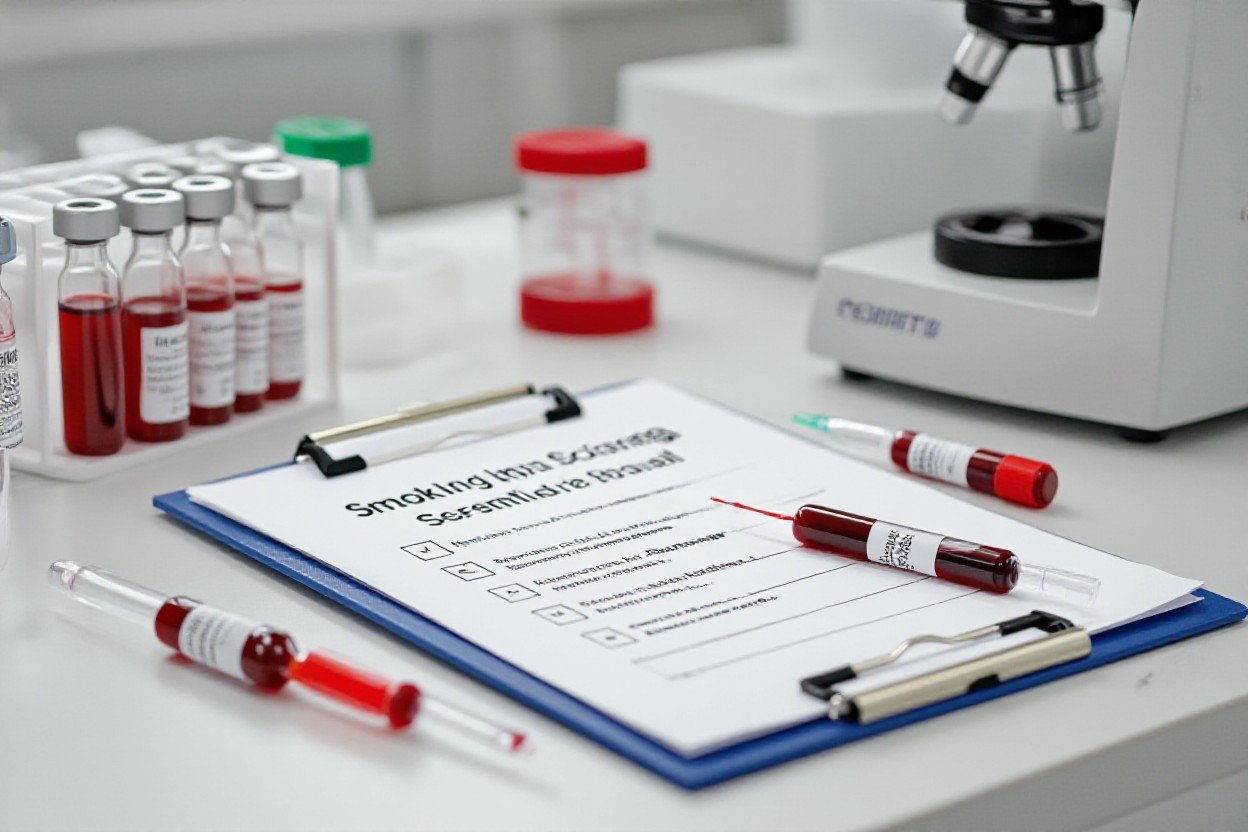
The SMOKING IMPACT SCREENING PANEL pinpoints how smoking is affecting your body right now. You’ll get multiple blood tubes drawn so labs can run everything from the Nicotine / Cotinine Quantitative, Serum to Carboxy Hemoglobin, plus lipids, liver, kidney and inflammation markers. It’s thorough but straightforward. Want counseling with results? Check the 5 R’s for tailored advice.
What to Expect During Your Visit
You check in, fill a quick form about smoking history and meds, then a phlebotomist draws several tubes-expect a 15-30 minute visit unless you need extra tests. Some markers need fasting, so you might be asked to skip food for 8-12 hours. You’ll get basic aftercare instructions and a note about the 7 – 10 Days turnaround for final results.
- Check-in: ID and brief questionnaire about your smoking and meds.
- Blood draw: multiple tubes – takes about 5-10 minutes.
- Fasting: often requested for accurate glucose and lipid readings.
- Time: plan for 15-30 minutes total at the clinic.
- After processing, results are finalized in 7 – 10 days.
Sample Types and Preparation
They collect 2 SERUM, 1 FLUORIDE, 2 EDTA and 1 HEPARIN tubes to cover chemistry, hematology, toxicology and specialized assays; you should fast if asked and avoid nicotine products before the draw for cleaner Nicotine / Cotinine readings.
| Test Name | SMOKING IMPACT SCREENING PANEL |
| Samples | 2 SERUM, 1 FLUORIDE, 2 EDTA, 1 HEPARIN |
| Turnaround | 7 – 10 Days |
| Key Markers | Nicotine / Cotinine Quantitative, Serum; Carboxy Hemoglobin |
| Other Parameters | CBC, LIPID PROFILE, LFT, RFT, hs-CRP, Homocysteine, Electrolytes |
- 2 SERUM: for chemistry, lipids and specific assays.
- 1 FLUORIDE: preserves glucose for accurate Blood Sugar Profile.
- 2 EDTA: used for CBC and hematology panels like ESR.
- 1 HEPARIN: used for certain chemistry assays and toxicology.
- After collection, tubes are labeled, centrifuged and dispatched to labs for the 7 – 10 day processing window.
Expect precision but also routine handling. The lab splits and stores aliquots so assays like Nicotine / Cotinine and Carboxy Hemoglobin run on validated platforms; quality controls mean occasional repeats, which is why the 7 – 10 Days turnaround exists. If you’re prepping, skip caffeine and nicotine if asked, bring a list of meds, and ask how fasting might change the timing of your visit – it makes the numbers cleaner and interpretation easier for you.
Who Should Get Tested?
Lately, with rising e-cigarette use and vaping-related lung cases, more people are opting for targeted screening – especially if you smoke or are regularly exposed to smoke. If you’ve got symptoms like persistent cough, unexplained fatigue, chest tightness or a family history of heart or lung disease, you should consider the SMOKING IMPACT SCREENING PANEL (requires 2 SERUM+ 1 FLUORIDE+ 2 EDTA+ 1 HEPARIN); results usually return in 7 – 10 Days, and the panel checks everything from Nicotine / Cotinine Quantitative, Serum to Carboxy Hemoglobin.
Are You at Risk?
Are you a current smoker, heavy vaper, or regularly around secondhand smoke? Then you’re at higher risk – but so are people with high cholesterol, hypertension, or inflammatory signs. Your panel will look at markers like Apo B, hs-CRP, lipid profile and CEA to flag cardiovascular and cancer risk, and tests like Nicotine / Cotinine Quantitative, Serum and Carboxy Hemoglobin show recent exposure, so they matter if you want a clear read on damage and short-term exposure.
When’s the Right Time to Test?
If you just started smoking, you should get a baseline test; if you’re quitting, test before and a few months after to chart change. Symptoms like unexplained breathlessness or abnormal routine labs? Test right away. And if you’re undergoing surgery or pregnancy planning, early screening helps – results take about 7 – 10 Days, so plan accordingly.
For more specifics: cotinine falls within days so a quantitative cotinine can confirm recent use or abstinence, while Carboxy Hemoglobin normalizes much faster and reflects recent carbon monoxide exposure. Follow-up timing often looks like baseline, then recheck at 3 months post-cessation to see lipid and inflammatory shifts, and annually if you keep smoking or have risk factors. Practical tip – bring a list of meds and recent illnesses when you give the required tubes, it speeds interpretation.

My Take on the Results
You log in after the 7-10 day wait and the Smoking Impact Panel reads like a story: hs-CRP at 4.2 mg/L, cotinine 120 ng/mL, carboxyhemoglobin 6% and an elevated Apo B/Apo A1 ratio. That mix tells you there’s active nicotine exposure plus systemic inflammation and impaired oxygen-carrying capacity – not great. You can see where immediate action lands: stop exposure, talk to your clinician about inflammation sources, and plan follow-up testing based on those specific numbers.
Understanding Your Numbers
You compare values: hs-CRP <1 mg/L is low risk, 1-3 is moderate, and >3 is high; cotinine over ~10 ng/mL usually signals active smoking; homocysteine >15 µmol/L raises vascular risk; an ApoB/ApoA1 ratio above about 0.9 suggests atherogenic lipid burden. Also watch CEA trends – smokers can have mildly raised values, but a rising CEA or persistently high Carboxyhemoglobin means deeper investigation.
What Does It Mean for Your Health?
You’re seeing how inflammation (hs-CRP, ESR), toxic exposure (cotinine, carboxyhemoglobin), and altered lipids (Apo B, lipid profile) converge to raise your cardiovascular and respiratory risk. Elevated hs-CRP and ApoB usually track with higher heart attack/stroke odds, while high carboxyhemoglobin reduces oxygen delivery so symptoms like breathlessness or chest pain matter more. Persistent CEA elevation should prompt targeted imaging or specialist review.
You call your primary care provider with these numbers and they’ll likely suggest a plan – stop smoking, repeat the Nicotine/Cotinine quantitative test, and recheck hs-CRP and lipids in a few months. If homocysteine is up they’ll often add folate/B6/B12; if ApoB is high you might discuss statin therapy or diet changes; and if Carboxyhemoglobin stays elevated you’ll need investigation for ongoing CO exposure. Also, keep in mind samples in this panel included serum, fluoride, EDTA and heparin tubes – so repeat testing is straightforward.
The Real Deal About Follow-Ups
You get a call from the clinic because the SMOKING IMPACT SCREENING PANEL (turnaround 7 – 10 days) showed a few things worth watching – maybe a high Nicotine / Cotinine quantitative, raised hs-CRP >3 mg/L, or an uptick in CEA. In practice that means targeted repeats (cotinine, carboxyhemoglobin, CBC, LFT, RFT, lipid profile, hs-CRP) and sometimes imaging if tumor markers move. Labs use 2 serum, 1 fluoride, 2 EDTA, 1 heparin samples, so plan follow-ups knowing collection needs won’t be trivial.
Do You Need More Tests Later?
If your serum cotinine is over about 10 ng/mL they’ll likely recheck to confirm active exposure, usually within 1-4 weeks; carboxyhemoglobin that’s >about 5% gets retested in days because it normalizes fast. And if CEA drifts upward you may face imaging or specialist referral. For metabolic changes (lipids, Apo A/B, homocysteine) expect repeats at 3-6 months to track trends, not day-to-day noise.
Keeping an Eye on Your Health
When you quit or change behavior you can literally watch numbers move – carboxyhemoglobin falls toward non-smoker levels within 24-48 hours, cotinine clears in roughly a week, while lipids and hs-CRP often take months to improve. So schedule sensible checkpoints: an early cotinine/carboxyhemoglobin check, then labs at 3 and 6 months to see if inflammation and lipid markers are trending down.
If you walk in with cotinine ~350 ng/mL, carboxyhemoglobin 7% and hs-CRP 5 mg/L, expect clear-cut change if you stop smoking – cotinine usually drops to undetectable within days to a week and carboxyhemoglobin back to <2% in 24-48 hours.
If CEA rises above normal you may need imaging sooner rather than later.
And in follow-up visits you’ll watch labs (CBC, LFT, RFT, lipid profile, Apo A/B, homocysteine) at 3-6 month intervals to confirm recovery or flag persistent risk.
Final Words
Upon reflecting on that afternoon at the clinic when they pulled 2 serum vials and chatted about your results… you get why the five steps matter – gather the right samples, know what each marker like cotinine, Apo B/A1, CRP and carboxyhemoglobin tells you, compare baselines, discuss risk with your clinician, and act on findings. Sound simple? It’s not always, but if you follow the steps you’ll have a clear picture of smoking’s impact on your health.
FAQ
This panel does way more than spot smoking – it shows how tobacco (or nicotine) is changing your blood chemistry, organs and long-term risk.
Q: Step 1 – What should I know about what’s actually included in the SMOKING IMPACT SCREENING PANEL?
A: Start by getting familiar with the full list – it’s long but useful: Apo A / Apo B, Lipid Profile, hs-CRP and CRP, ESR, CBC, Electrolytes, RFT, LFT, Thyroid (free), Homocysteine, IgE, CEA, Nicotine/Cotinine quantitative (serum), Carboxy Hemoglobin and Blood Sugar Profile. Those markers cover inflammation, cardiovascular risk, metabolic status, liver/kidney function and direct smoking exposure – so you get both smoke-signatures and the fallout. Knowing what each test measures makes the rest of the steps a whole lot easier.
Q: Step 2 – How do sample requirements and turnaround time affect interpretation?
A: The panel needs a mix of tubes: 2 SERUM, 1 FLUORIDE, 2 EDTA, 1 HEPARIN – so plan for multiple draws and tell the phlebotomist if you’re on meds or supplements that might interfere. Turnaround is 7 – 10 Days, so immediate clinical decisions might need faster point-of-care info or targeted tests, not the whole panel. And timing matters – nicotine/cotinine and carboxyhemoglobin reflect recent exposure, while lipids and inflammatory markers show longer-term effects.
Q: Step 3 – Which specific results should I watch first and how do I read them?
A: First glance at Nicotine / Cotinine quantitative and Carboxy Hemoglobin – they’re the smoking fingerprints; high cotinine means recent nicotine intake, high COHb means recent carbon monoxide inhalation. Look next at Apo B vs Apo A and the Lipid Profile – if Apo B is up and Apo A is down you’re seeing a more atherogenic pattern, which smoking often worsens. Check CRP and hs-CRP plus ESR for inflammation – smoking tends to bump those up; elevated homocysteine also raises vascular risk. High CEA can be concerning for smoking-related malignancy trends but it’s not diagnostic alone – context is everything.
Q: Step 4 – How do I combine these markers to understand overall risk or actionability?
A: Put the pieces together – an abnormal lipid/Apo profile plus raised hs-CRP and high homocysteine points to increased cardiovascular risk that smoking can accelerate, while repeated high COHb and cotinine prove ongoing exposure. If CBC, LFT or RFT are off you might be looking at early organ stress or coexisting issues, and high CEA bumps cancer surveillance up a notch. So you don’t read one value in isolation – trends and clusters tell the real story.
Q: Step 5 – After I get results, what practical next steps should I take?
A: If the panel flags active exposure (cotinine/COHb) then tackling nicotine use is the immediate step – counseling, pharmacotherapy, whatever fits you; repeating specific markers after cessation gives feedback on progress. For elevated cardiovascular or inflammatory markers, lifestyle changes plus targeted medical management (lipid-lowering, blood pressure, address homocysteine) are the path – discuss with your clinician. And if tumor markers or organ tests are off, follow-up testing or specialist referral is the sensible move, sooner rather than later.