7 Simple Steps For A Safe And Reliable STD Test At Home
Many people rely on at-home testing, and by following clear steps you can ensure safe collection, reliable results and confidential handling; you should carefully follow kit instructions, use proper sample technique, and track expiry dates to maximize accuracy, and if you receive a positive result or experience severe symptoms you must promptly contact a clinician for confirmation and treatment to prevent complications.
Key Takeaways:
- Use an FDA-approved kit or a provider that sends samples to a CLIA-certified lab to ensure accurate results.
- Carefully follow the kit instructions and hygiene steps (clean hands, sterile supplies) to avoid contamination.
- Collect and label samples exactly as directed (correct specimen type and timing) for reliable testing.
- Return samples promptly in the provided packaging and follow shipping instructions to preserve specimen integrity.
- Understand window periods for each STI and seek medical follow-up for positive, unclear, or symptomatic results.
Understanding STDs
You should know many sexually transmitted infections are asymptomatic: up to 70% of women with chlamydia show no symptoms, and incubation times range from days (gonorrhea) to months (syphilis). Testing windows vary-antigen/PCR tests detect infection earlier than antibody tests-so if you had recent exposure get tested at recommended intervals. Early detection lets you start treatment and prevents complications like infertility or chronic disease.
Common Types of STDs
You’ll most often encounter infections like HIV, Chlamydia, Gonorrhea, Syphilis, and HPV, each with different symptoms, incubation and treatment paths. Women face higher risk of silent complications such as pelvic inflammatory disease; men can have urethral discharge or pain. The list below highlights the infections to watch for and informs what tests to request.
- HIV
- Chlamydia
- Gonorrhea
- Syphilis
- HPV
| HIV | Antibody/PCR testing detects infection; effective ART cuts transmission by >96% when virally suppressed. |
| Chlamydia | Often asymptomatic; NAAT urine/ swab tests detect infection; untreated can lead to PID and infertility. |
| Gonorrhea | Fast onset symptoms possible; rising antibiotic resistance means culture and NAAT guide therapy for you. |
| Syphilis | Stages vary from painless sores to systemic disease; serology tracks treatment response-early therapy prevents neurologic damage. |
| HPV | Very common and often cleared by your immune system; high-risk strains cause cervical cancer-vaccination and screening reduce risk. |
Importance of Testing
You benefit from routine screening because many infections are silent yet transmissible; CDC guidance recommends annual chlamydia/gonorrhea screening for sexually active women under 25 and for higher-risk individuals. Testing identifies treatable infections early, lowers your chance of long-term harms like ectopic pregnancy, and informs partner notification to stop onward spread.
You should test after a new partner, condomless sex, or symptoms; clinics report that targeted screening reduces complications and transmissions in communities. The earlier you test, the sooner treatment can prevent complications and reduce transmission.
Preparing for an At-Home STD Test
Plan timing based on the test and recent exposures: NAATs for chlamydia and gonorrhea usually detect infections within 1-2 weeks, while HIV 4th‑generation antigen/antibody tests can detect as early as 2-4 weeks and antibody-only tests up to 12 weeks. For urine-based tests collect a first‑catch sample (first 10-20 mL) and avoid urinating for at least one hour beforehand. If you have symptoms like discharge, fever, or sore throat seek clinical care immediately instead of relying solely on home testing.
Choosing the Right Test
Match test type to the infection: you should use NAAT (nucleic acid amplification) swabs or urine for chlamydia and gonorrhea (sensitivity often >95%), lab-processed blood serology for syphilis and HIV, and oral or finger‑stick antigen/antibody tests for rapid HIV screening. Avoid at-home HPV screening unless a validated, lab-based option is available; most HPV testing is clinic-based. Opt for kits processed by CLIA-certified labs or FDA-cleared tests whenever possible for reliable results.
Gathering Necessary Materials
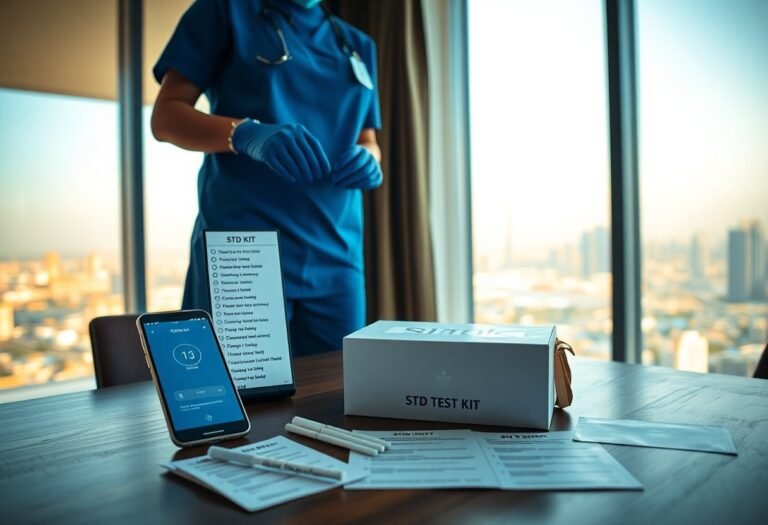
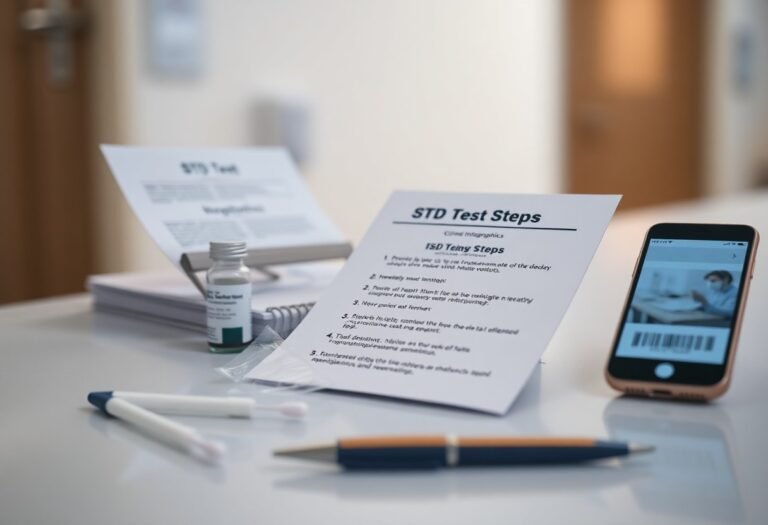
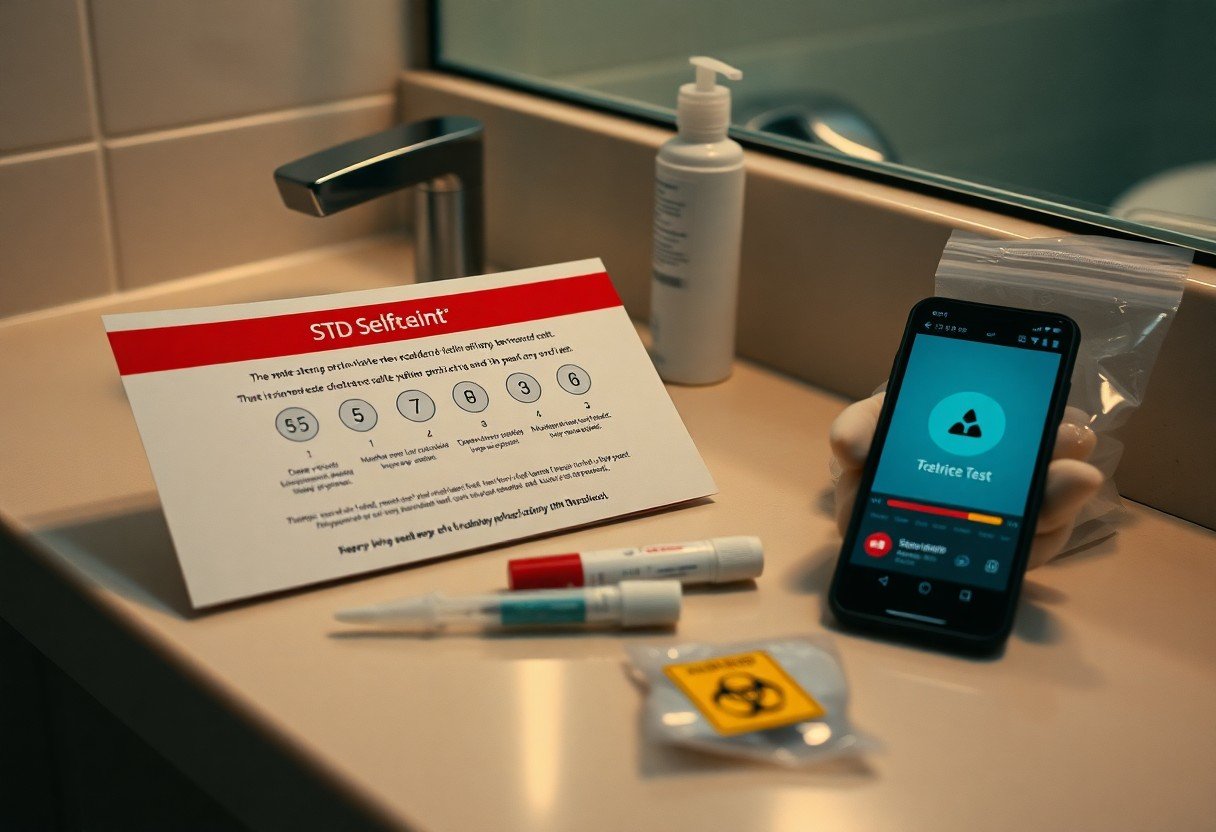
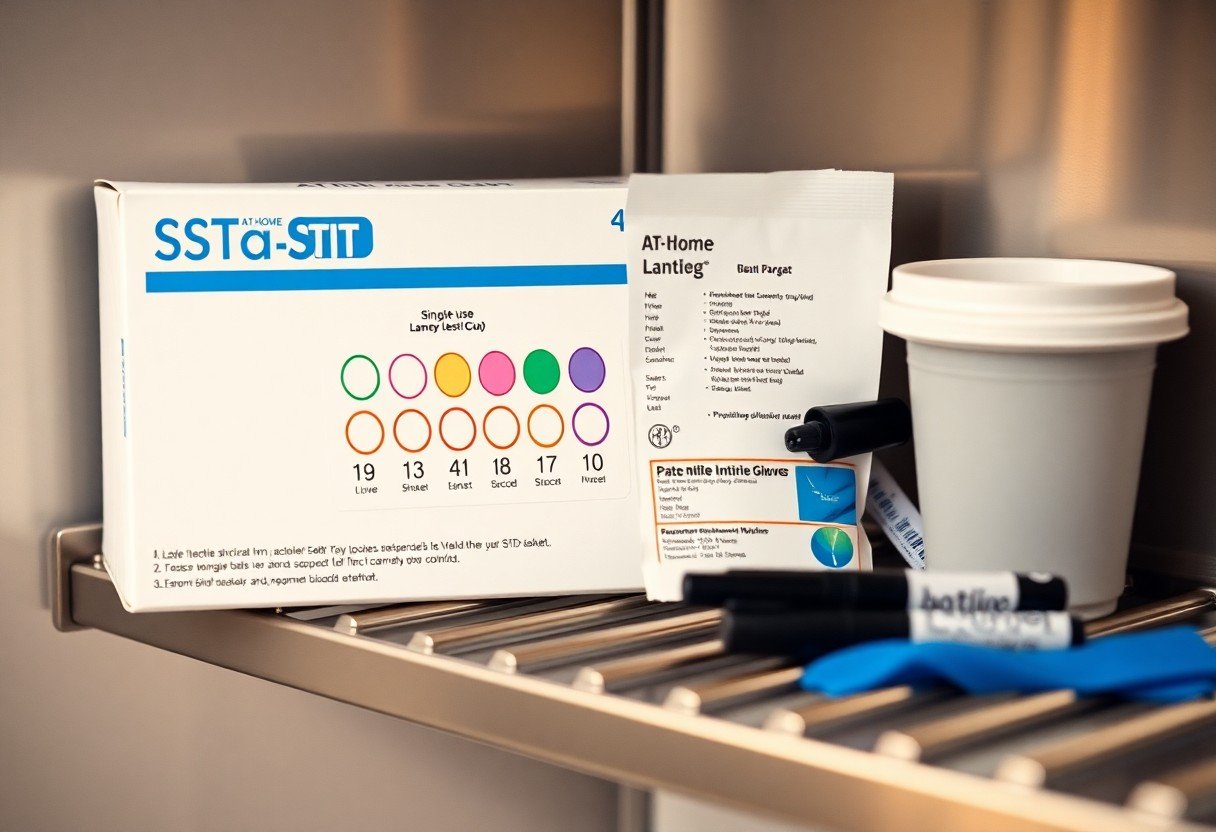
Gather every item before starting: check that the kit contains swab, collection tube, lancet, absorbent pad, gloves, alcohol wipes, the provided biohazard bag and pre‑paid mailer, plus any ID or consent forms. You should check kit expiration and storage instructions; many tests require room temperature storage but some need refrigeration. Keep a clean, well‑lit surface and timers handy. Do not use damaged or expired supplies.
For urine collection aim for the first‑catch 10-20 mL without prior douching; for vaginal, rectal or throat swabs insert and rotate per instructions-usually 10-15 seconds-before placing the swab into the transport tube. With finger‑stick blood warm your finger, disinfect, use a single‑use lancet, and fill the microtube to the marked line. You should label samples clearly, include completed forms, and ship the sample the same day or drop at designated courier points to preserve integrity.
Step-by-Step Testing Process
| Step | Details |
| Collection | Follow kit order: cleanse the area, use the sterile swab correctly-insert 1-2 cm for vaginal swabs or sample the urethral meatus for men, and collect 2-3 drops for blood spot cards. Place samples in labeled tubes, seal packaging, and ship same day or within 24-48 hours. Avoid touching swab tips or cross-contaminating tubes. Do not refrigerate unless the instructions specify, since improper storage can compromise results. |
Following Instructions Carefully
Read and follow each step exactly, including timing and order. Some labs report 5-10% sample rejection rates from common errors like insufficient blood, swab contamination, or mislabeling. Use the kit checklist, set a timer for drying steps (usually 10-15 minutes), and photograph labels if required. Doing the protocol precisely helps preserve the high sensitivity (often >95% for properly collected NAATs).
Ensuring Sample Integrity
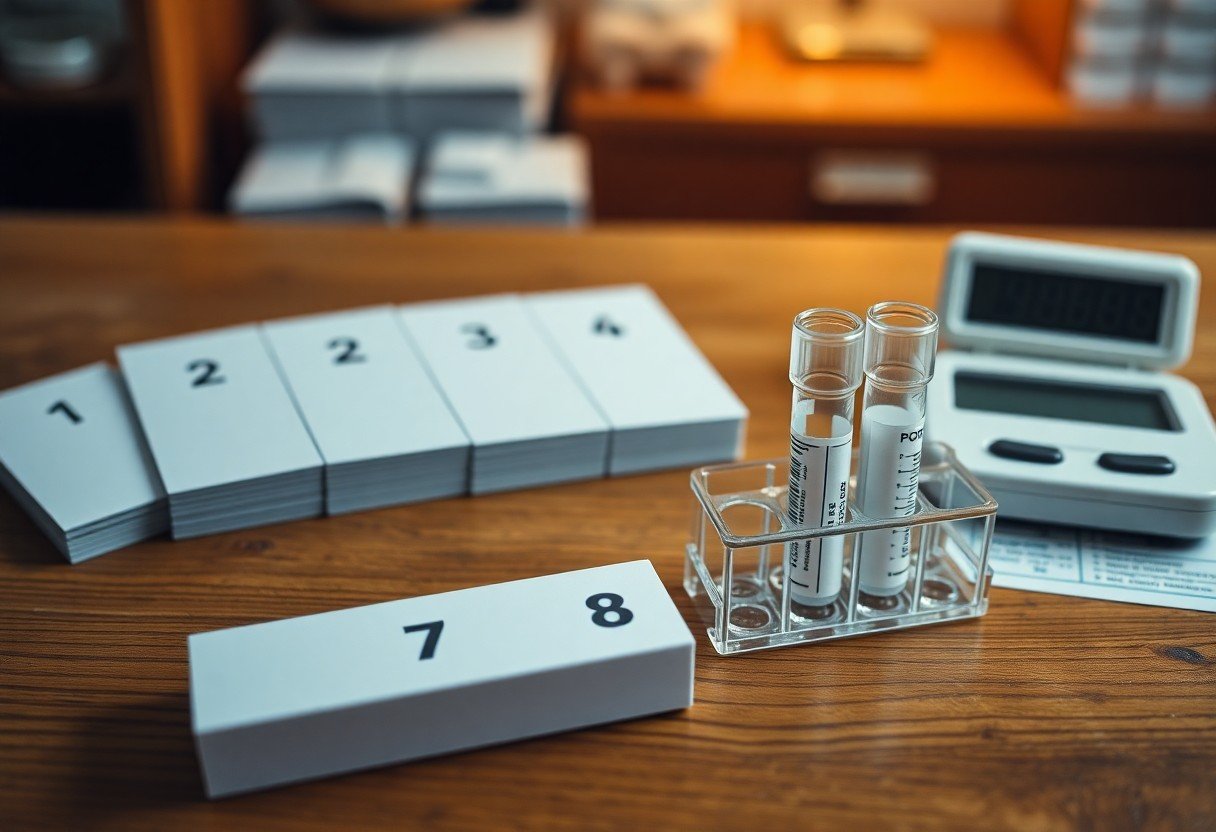
Protect your sample from heat, moisture, and contamination by sealing collection devices, using desiccants, and shipping promptly. For nucleic acid tests, exposure above 30°C can degrade RNA and increase false negatives; many providers advise keeping samples near 15-25°C and returning them within 24-48 hours. Label tubes with date/time, avoid touching swab tips, and confirm all seals are secure before mailing.
If transit may exceed 48-72 hours, choose expedited return or courier and avoid freezing unless the kit explicitly allows it. Use the provided biohazard bag and absorbent pad, verify collection-device seals, and record collection time. Manufacturers commonly reject samples outside their stability window, so if shipping will be delayed beyond 72 hours, contact support and consider alternate return options; check kit expiration and lot numbers before sending.
Handling Your Results
After your test, act promptly: positive results should trigger confirmatory lab testing and treatment, while negative results during a window period often need repeat testing. For example, HIV antibodies commonly appear in about 3-12 weeks, whereas NAATs detect many bacterial STIs with >95% sensitivity. Keep the kit, note exposure dates, and start partner notification or isolation steps according to local public health guidance.
Interpreting Test Outcomes
Test accuracy depends on method and timing: many home NAATs report >95% sensitivity and >99% specificity, yet false negatives can occur during early infection and false positives-though uncommon-necessitate confirmation. If results conflict with symptoms, request lab-based assays (e.g., HIV 4th‑gen plus RNA) and follow recommended retest intervals, such as at 2-4 weeks and again around 3 months when advised.
Seeking Professional Guidance
If you test positive or your result is unclear, contact a clinician for confirmatory tests and treatment: HIV needs lab 4th‑gen and RNA confirmation with rapid ART linkage; chlamydia is typically treated with doxycycline 100 mg twice daily for 7 days; gonorrhea is treated with ceftriaxone 500 mg IM single dose-ask about resistance. If exposure occurred within 72 hours, inquire about HIV PEP immediately.
Bring the kit, printed result, exposure dates, and partner list to a clinic or telehealth visit; many public health clinics offer free or low-cost confirmatory testing. Ask about expedited partner therapy options, confidentiality and billing, and local reporting rules-these steps speed treatment and reduce reinfection risk.
Maintaining Privacy and Confidentiality
When arranging at‑home testing, verify a provider’s privacy practices: confirm CLIA-certified lab processing, read the privacy policy for data sharing, and insist on encrypted transmissions (TLS 1.2+/AES‑256). If a company isn’t clear about data retention or third‑party sales, avoid them. You can also use a P.O. Box or alternate delivery address and a credit card with limited use to minimize linkage between your test and other accounts.
Discreet Testing Procedures
Choose kits with plain packaging and unbranded return envelopes; many reputable services ship in neutral boxes and provide preaddressed, unlabeled mailers. Drop samples at a courier locker or USPS Blue Box to avoid home pickups, and pick time slots when others won’t see deliveries. If the provider offers coded identifiers instead of names, prefer those to reduce exposure of personal details.
Protecting Personal Information
Avoid providing your Social Security number unless legally required; opt for a unique test ID or phone number instead. Enable two‑factor authentication on your account, use a burner email if you prefer, and pay with a single‑use virtual card or prepaid method to limit traceable billing. Check whether the company is HIPAA‑covered-many direct‑to‑consumer firms are not.
Check data practices: request the lab’s name and confirm reporting obligations, since many STIs (e.g., syphilis, gonorrhea, HIV) are reportable to public health authorities. Ask how long results and identifiers are retained, whether you can request deletion, and whether the provider sells de‑identified data. Prefer vendors that publish security audits, use AES‑256 at rest and TLS in transit, and will sign a data processing addendum if you ask.
Summing up
Hence you can complete the seven simple steps for a safe and reliable at-home STD test with confidence: follow the instructions precisely, use the provided materials, maintain hygiene, label and package your samples correctly, send them promptly, review results through the official portal, and seek professional follow-up when needed to protect your health.
FAQ
Q: What are the seven simple steps for a safe and reliable STD test at home?
A: 1) Choose a reputable, licensed test kit and lab; 2) Read the kit instructions and any lab guidance before starting; 3) Prepare your collection area and wash your hands; 4) Collect the correct sample type (first-catch urine, vaginal/rectal/penile swab, or finger-prick blood) exactly as instructed; 5) Label the sample and complete any required forms; 6) Package and ship the sample immediately using the provided materials and prepaid label; 7) Access results through the lab’s secure portal and follow recommended next steps if positive, negative, or inconclusive.
Q: How do I choose a reliable at-home STD test kit?
A: Verify the lab is CLIA-certified or otherwise licensed, check that tests are FDA-cleared or validated by the manufacturer, read clear step-by-step instructions, confirm secure result delivery and privacy policies, look for customer support and transparent pricing, and read independent reviews. Avoid kits with vague lab information or that require you to interpret raw strips without lab analysis.
Q: How should I prepare before collecting the sample to get accurate results?
A: Follow kit-specific guidance on timing after exposure and any fasting or activity restrictions; avoid sexual activity, douching, vaginal products, or enemas for the period the kit recommends (often 24-48 hours) and for urine tests provide first-catch urine after at least one hour without urinating. Wash hands thoroughly, gather all required materials, and complete forms beforehand so collection is clean and efficient.
Q: What are the best practices for collecting different sample types at home?
A: For first-catch urine, collect the initial stream (first 20-30 mL) into the sterile cup without touching the rim; for vaginal swabs, insert the swab to the length specified and rotate as directed; for rectal swabs, insert and rotate gently per instructions; for penile/meatal swabs, swab the urethral opening; for finger-prick blood, warm your hand, use the lancet, wipe away the first drop if instructed, and fill the tube to the marked level. Avoid contaminating swab tips or touching collection surfaces and seal samples in the provided biohazard bag immediately.
Q: What should I do after sending the sample and how do I act on the results?
A: Track shipping if available and confirm the lab received the sample; view results in the lab’s secure portal. If positive, contact a healthcare provider for confirmatory testing and treatment, notify recent partners as advised, and abstain from sexual activity until cleared. If negative but exposure was recent, follow the kit’s recommended window-period guidance and retest if needed. If results are invalid or unclear, use the lab’s support to arrange a repeat test or in-clinic follow-up.