Understanding the High Vaginal Swab (HVS) Test
Understanding the High Vaginal Swab (HVS) Test
1. Introduction: What is the High Vaginal Swab (HVS) Test?
The High Vaginal Swab (HVS) test is a critical diagnostic tool for maintaining and managing women’s health. Its primary purpose is to accurately identify the specific bacteria, yeast, or other microorganisms that may be causing vaginal discomfort or recurrent infections. By pinpointing the exact cause of an issue, the HVS test empowers your healthcare provider to recommend personalized and effective treatment, ensuring you get the right care, faster.
2. When is an HVS Test Recommended?
A healthcare provider may recommend an HVS test if you are experiencing certain symptoms or for other important health reasons.
2.1. Key Symptoms
If you are experiencing any of the following symptoms, an HVS test can help identify the underlying cause:
- Abnormal vaginal discharge (e.g., thick, white, green, or gray)
- A foul or fishy odor
- Itching, burning, or irritation in the vaginal area
- Pain or discomfort during urination or sexual intercourse
- Redness, swelling, or soreness
- Recurrent infections (such as UTIs, yeast, or bacterial infections)
2.2. Other Important Reasons for Testing
The test is also a valuable tool in situations where no symptoms are present. It plays a key preventive role in several circumstances:
- Safe management during pregnancy: To identify and treat any infections that could potentially affect the health of the mother or baby.
- Fertility planning: To ensure the reproductive environment is healthy and free from infections that could impact fertility.
- Pre-surgical screening: To prevent post-operative complications before gynecological procedures like a C-section or hysterectomy.
- Monitoring treatment: To confirm if a current treatment for a known infection is working effectively.
These situations highlight the test’s role in maintaining the delicate microbial balance essential for vaginal health.
3. The Science in Simple Terms: Restoring Your Natural Balance
The vagina has a natural, healthy environment, often called a microbiome, which is maintained by beneficial bacteria, primarily of the Lactobacillus species. These helpful bacteria create a slightly acidic environment that acts as a natural defense, preventing harmful germs from overgrowing and causing infections.
What Can Disrupt This Balance?
Several common factors can disturb this delicate balance, allowing pathogenic (harmful) bacteria or fungi to thrive:
- Antibiotic use
- Hormonal changes (e.g., during menstruation, pregnancy, or menopause)
- Unprotected sex
- Poor hygiene or tight clothing
- Certain health conditions like diabetes or a weakened immune system
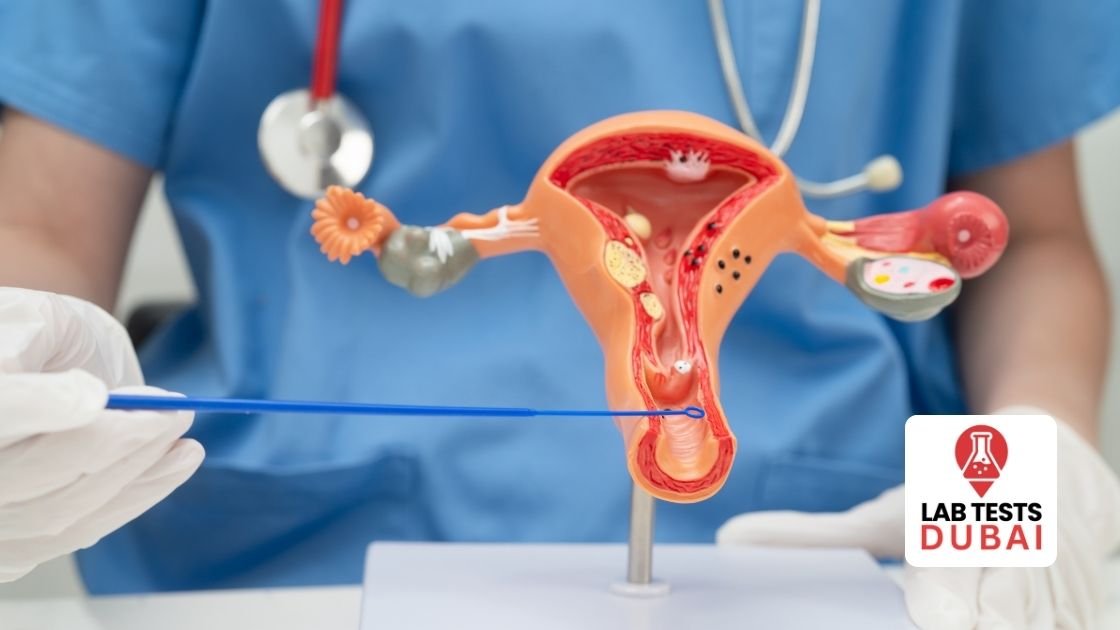
The HVS test works by collecting a sample from the upper vagina and cervix to identify precisely which pathogenic bacteria or fungi have begun to multiply when this natural balance is disrupted.
When this natural defense is compromised, leaving the imbalance unaddressed can lead to significant health risks.
4. Why Early Detection Matters: The Risks of Untreated Infections
Ignoring the signs of a vaginal infection can lead to more serious health complications that affect your overall well-being and long-term reproductive health.
- Pelvic Inflammatory Disease (PID): If left untreated, this serious infection of the reproductive organs can increase the risk of infertility.
- Chronic Pelvic Pain: Untreated or recurrent infections can lead to persistent pain in the pelvic region, which can significantly impact daily life and comfort.
- Increased Susceptibility to STIs: An existing infection can compromise the vagina’s natural defenses, making you more vulnerable to contracting sexually transmitted infections (STIs), including HIV.
- Pregnancy Complications: During pregnancy, certain untreated infections can lead to serious issues, including preterm birth or a low birth weight for the baby.
- Antibiotic Resistance: Repeatedly using incorrect or generic treatments without a precise diagnosis can lead to antibiotic resistance, making future infections much harder to treat effectively.
An HVS test ensures the right treatment is used the first time, protecting your long-term reproductive health.
5. The HVS Test at a Glance
To summarize, here are the key details of the HVS test at a glance:
| Parameter | Details |
| Test Name | High Vaginal Swab (HVS) Culture & Sensitivity |
| Sample Type | A swab collected from the upper vagina and cervix |
| Methodology | Bacteriology Culture & Sensitivity Testing |
| What it Detects | Bacteria (e.g., Gardnerella, E. coli), Fungi (e.g., Candida), and other pathogens |
| What it Reports | The specific organism identified and a list of effective antibiotics/antifungals |
6. How to Prepare for Your Test
To ensure the test results are as accurate as possible, a few simple preparation steps are necessary.
- Avoid vaginal intercourse for 24–48 hours before the test.
- Do not use vaginal creams, suppositories, douches, or tampons for at least 48 hours beforehand.
- Schedule the test for a time when you are not menstruating (best 2–3 days after your period ends).
- Inform your doctor about any recent antibiotic or antifungal medications you have taken.
The High Vaginal Swab test provides the clear, actionable answers you deserve. By identifying the precise cause of discomfort, it empowers you and your doctor to move forward with a treatment plan that lets you heal with clarity and confidence.