Comprehensive Guide to Preventive Health Checkups
Comprehensive Guide to Preventive Health Checkups
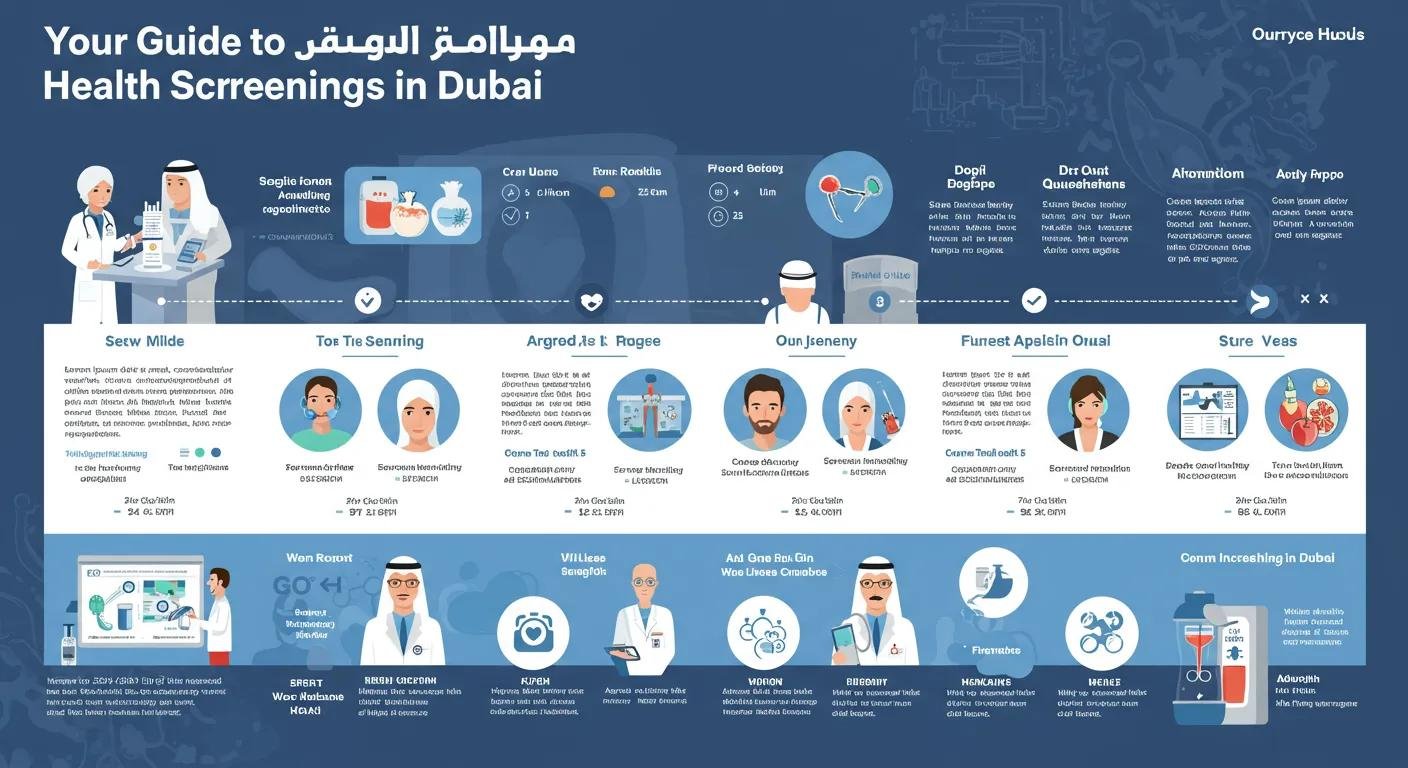
Your Guide to Health Screenings in Dubai
Health screening packages are bundled preventive services designed to assess current health, identify early risk factors, and provide actionable next steps for maintaining long-term wellbeing. This guide explains what screening packages include, how specific tests detect conditions such as diabetes and cardiovascular risk, and when imaging or specialist tests add essential diagnostic value. Many readers want clear steps to choose the right package and to book complementary radiology tests efficiently; this article maps selection criteria, modality-specific preparation, typical costs in Dubai, and step-by-step booking guidance. You will learn how basic and advanced packages differ by audience (men, women, seniors), how at-home blood testing works and retains clinical accuracy, and when radiology (X-ray, ultrasound, CT, MRI) is recommended as a follow-up. The article also compares package inclusions in easy tables, offers preparation checklists optimized for featured snippets, and explains practical booking workflows for screening and radiology appointments in Dubai.
What Are Health Screening Packages and Why Are They Important?
Health screening packages are curated sets of tests that screen for common conditions and establish baseline health metrics; they work by combining blood, urine, physical measurements, and sometimes basic imaging to reveal early abnormalities. The mechanism is simple: targeted biomarkers and imaging reveal physiological deviations before symptoms emerge, enabling risk reduction and early treatment. The specific benefit is earlier detection of treatable conditions such as diabetes, dyslipidemia, liver dysfunction, and certain cancers, which improves outcomes and lowers long-term healthcare costs. Understanding package composition helps patients choose screening intervals and follow-up actions tailored to individual risk profiles, which leads naturally into what tests are typically included and how they map to diseases.
What Does Preventive Health Screening Include?
Preventive health screening commonly includes blood panels, urine testing, vital signs, and selected imaging when indicated; each component screens for specific physiological or biochemical issues.
Blood tests such as CBC, lipid profile, liver function tests (LFTs), and HbA1c evaluate hematologic status, cardiovascular risk, organ function, and glycemic control respectively.
Urinalysis screens for kidney function and urinary tract issues, while basic imaging like chest X-ray or ultrasound may be added for anatomical or targeted assessments. These elements combine into diagnostic data that clinicians use to generate a health profile and recommend lifestyle or clinical interventions, and the next section explains how individual tests map to disease detection.
How Do Health Checkup Packages Help Detect Common Diseases?
Screening tests detect early signs of prevalent diseases by measuring relevant biomarkers and structural findings: HbA1c and fasting glucose indicate diabetes risk, lipid panels quantify cardiovascular risk, and LFTs signal hepatic injury or dysfunction. For example, an elevated LDL cholesterol combined with family history indicates escalated risk for atherosclerotic disease, prompting statin consideration or lifestyle changes. Similarly, abnormal thyroid function tests can explain fatigue and weight changes, enabling targeted therapy before complications develop. These test → detects → condition relationships form the basis of preventive strategies that reduce morbidity and guide further diagnostic steps.
What Are the Benefits of Early Detection Through Screening?
Early detection reduces disease progression, lowers the cost of long-term treatment, and increases the range of effective interventions available to patients by identifying conditions at a more manageable stage. By catching abnormalities sooner, patients and clinicians can implement lifestyle interventions, pharmacotherapy, or surveillance to prevent complications such as cardiovascular events, renal decline, or advanced metabolic disease. Early detection also provides baseline metrics that improve monitoring accuracy over time and support personalized care planning. The capacity to act earlier leads into choices about package scope—basic versus comprehensive—and when to add imaging or specialist assessments.
Which Health Checkup Packages Are Available in Dubai?

Dubai’s preventive offerings range from basic checkups for asymptomatic adults to full-body and demographic-specific packages that include targeted tests; packages are tailored by risk level, age, and gender. Basic packages cover core blood tests, urine analysis, and vitals, while advanced or full-body checkups add extensive panels, hormonal screens, tumor markers, and optional imaging. Gender-specific packages include tests relevant to men’s or women’s health, and senior packages emphasize cardiac risk, bone health, and chronic disease monitoring. At-home blood test packages offer convenient phlebotomy and sample transport to accredited labs, preserving accuracy while improving accessibility; the next subsections break these options down and include a comparison table to help selection.
The most common package types in Dubai include basic, advanced/full-body, gender-specific, senior, and at-home blood test options:
- Basic health checkup packages are intended for asymptomatic adults and include core screening tests.
- Comprehensive or full-body checkup packages add extended blood panels, imaging options, and specialist referrals as needed.
- Demographic-specific packages adjust tests based on age and sex to capture relevant risks.
What Is Included in Basic Health Checkup Packages?
A basic health checkup typically includes a complete blood count (CBC), fasting glucose or HbA1c, lipid profile, basic liver and kidney panels, and urinalysis; these tests screen for common metabolic, hematologic, and renal issues. Vitals such as blood pressure, BMI, and basic physical examination complement laboratory data to form a risk profile. For asymptomatic adults without significant history, this package balances cost and clinical value, enabling annual monitoring and early identification of common conditions. Understanding what each core test reveals guides whether to upgrade to an advanced package or add imaging.
How Do Advanced Health Screening Packages Differ for Men and Women?
Advanced packages expand testing to include hormonal panels, tumor markers, and gender-specific screens such as PSA for men or mammography and cervical screening for women where appropriate; age and family history determine timing. Men’s advanced packages often prioritize prostate and cardiac risk assessments, while women’s packages typically emphasize breast and cervical health alongside metabolic panels. Recommended ages vary—screening thresholds are influenced by guidelines, personal risk factors, and clinical judgment—so packages may be customized based on physician consultation. This demographic tailoring supports targeted early detection and more efficient use of diagnostic resources.
Cardiovascular Disease Risk Factor Screening in Dubai: The DISCOVERY Study
A voluntary CVDRF screening program was offered in 5 major cities of the UAE—Dubai, Abu Dhabi, Al Ain, Sharjah, and Ajman. The venues for the screening included 4 shopping malls, 9 outpatient health care facilities, and 2 primary health care centers.
Opportunistic screening for CVD risk factors: the Dubai shopping for cardiovascular risk study (DISCOVERY), 2015
What Are Specialized Packages for Seniors and Chronic Conditions?
Senior-focused packages emphasize cardiac risk, bone health markers, diabetes control, renal function, and cognitive or mobility assessments to monitor aging-related risks and chronic disease management. Chronic-condition packages concentrate on disease-specific biomarkers—such as advanced lipid panels for cardiac disease or HbA1c and microalbumin for diabetes—to guide therapy adjustments and surveillance. These packages often include more frequent testing and coordination with specialists to inform long-term care plans. Designing a senior or chronic-disease package depends on disease severity, functional status, and the goal of either prevention or active disease monitoring.
How Do At-Home Blood Test Packages Work in Dubai?
At-home blood test packages begin with online booking and scheduling, followed by a trained phlebotomist visit to collect samples, secure packaging and chain-of-custody transport, and testing at an accredited laboratory with results delivered electronically. Accuracy parity with clinic draws depends on trained personnel, validated transport conditions, and accredited lab processing; when these controls are in place, analytical results are comparable. At-home options improve convenience for patients with mobility constraints or busy schedules while maintaining clinical reliability through standardized procedures. Understanding booking flow and quality safeguards helps patients choose between clinic and at-home collection methods.
| Package Name | Key Tests Included | Target Audience | Typical Price Range | Turnaround Time |
|---|---|---|---|---|
| Basic Health Checkup | CBC, fasting glucose/HbA1c, lipid profile, LFTs, urinalysis | Asymptomatic adults | Moderate | 24–48 hours |
| Comprehensive/Full Body | Extended blood panels, hormonal tests, tumor markers, optional imaging | High-risk or proactive adults | Higher | 24–72 hours |
| At-Home Blood Test Package | Core blood panels collected at home, couriered to lab | Busy individuals, mobility-limited | Comparable to clinic | 24–48 hours |
How Do Radiology Tests Complement Health Screening Packages?

Radiology tests extend screening by providing structural and functional imaging that detects anatomical abnormalities and supports early diagnosis when lab markers or symptoms indicate concern. Imaging modalities such as X-ray, ultrasound, CT, and MRI each use different physical principles to visualize tissues, so the right modality is chosen based on the clinical question—for example, ultrasound for soft-tissue assessment versus CT for quick cross-sectional imaging. Radiology adds diagnostic specificity to biochemical screening, guiding referrals and interventions when screening anomalies appear. The following comparison table breaks down modality strengths, preparation needs, detection capabilities, and typical result times to aid decision-making and booking.
| Imaging Modality | Best For | Preparation Needed | What It Detects | Typical Result Time |
|---|---|---|---|---|
| X-ray | Bone injuries, chest screening | Minimal; remove metal | Fractures, lung pathology | Immediate to 24 hours |
| Ultrasound | Abdominal organs, pregnancy | Fasting for abdominal scans | Gallstones, liver changes, pregnancy monitoring | Same day to 24 hours |
| CT Scan | Trauma, detailed cross-sectional anatomy | Contrast considerations; fasting if contrast used | Complex fractures, organ injury, nodules | 24–48 hours |
| MRI | Soft tissue, brain, joints | Remove metal; fasting for contrast | Brain pathology, soft-tissue lesions, spinal issues | 24–72 hours |
What Are the Common Radiology Tests Offered in Dubai?
Common imaging options include X-ray for skeletal and chest evaluation, ultrasound for abdominal and obstetric assessments, CT for rapid cross-sectional imaging, and MRI for high-resolution soft-tissue studies. Each modality serves distinct clinical indications: X-ray is quick and low-cost for bone and chest; ultrasound is portable and radiation-free for organs and pregnancy; CT balances speed and anatomical detail but involves ionizing radiation; MRI provides superior soft-tissue contrast without radiation but with longer scan times. Recognizing these differences helps patients understand why an imaging referral may follow abnormal screening results and how modality selection aligns with diagnostic goals.
How to Prepare for Radiology Tests: Step-by-Step Guide
Preparation varies by modality and influences image quality and safety; clear pre-exam steps reduce the need for repeat studies and improve diagnostic yield. For X-ray, wear loose clothing and remove metal objects; for abdominal ultrasound, fasting for 6–8 hours often improves visualization; for CT with contrast, hydrate beforehand and disclose kidney disease or allergies; for MRI, remove metal, inform staff about implants, and arrange transport if sedation or contrast is used. These modality-specific precautions help avoid artifacts or complications and ensure accurate interpretation, which we discuss next in terms of result reporting and timelines.
- X-ray preparation: Remove metal items and wear comfortable clothing to allow clear imaging.
- Ultrasound preparation: Fast for abdominal scans and bring prior imaging for comparison.
- CT/MRI preparation: Follow instructions on contrast, disclose allergies, and remove metal.
How Are Radiology Test Results Interpreted and Delivered?
Radiology reports are prepared by radiologists who synthesize imaging findings into structured observations and an impression that guides clinicians; preliminary reads may occur immediately for urgent cases while final reports follow formal review. A typical report includes patient identifiers, clinical history, technique, findings, and an impression that summarizes diagnostic conclusions and recommended next steps. Turnaround varies by modality and complexity: X-rays and ultrasound often yield same-day or 24-hour reports, while CT and MRI may take 24–72 hours for final reads when specialist input is required.
Clear reports and recommended follow-up enable timely clinical action after abnormal screening or imaging findings. For patients who want to schedule imaging and integrated screening services, Lab Tests Dubai offers radiology tests—including X-ray, ultrasound, CT, and MRI—alongside bundled health profiles and at-home blood testing options, and can process many routine lab results within a fast turnaround window. If you plan to book a radiology test service, select the appropriate modality based on clinical need, confirm any preparation requirements, and choose an available appointment slot to avoid delays.
How to Book Health Screening and Radiology Tests in Dubai?
Booking health screening and radiology tests involves selecting the right package, choosing imaging where indicated, and confirming logistics such as fasting or referral requirements; an organized booking workflow reduces errors and improves patient experience. A structured online or phone booking process lets patients choose package type, preferred date and time, and optional at-home sample collection or clinic-based appointments. Documentation requirements, referral needs from physicians, and insurer prerequisites can affect scheduling, so early verification prevents last-minute cancellations. The numbered steps below provide a clear how-to for making arrangements and preparing for appointments.
- Select the health screening package that matches your age, risk factors, and desired scope.
- Choose any required radiology modality (X-ray, ultrasound, CT, MRI) if the package includes imaging or if follow-up is needed.
- Schedule an appointment date/time and indicate at-home phlebotomy if preferred.
- Review preparation instructions (fasting, contrast disclosure) and confirm any referral or insurance requirements.
- Complete payment or authorization as required and await confirmation with pre-exam instructions.
What Are the Steps to Book a Health Checkup Package Online?
Booking online typically follows a logical flow: choose package → enter personal and clinical details → select optional radiology tests → pick date/time → confirm payment and receive instructions. Accurate entry of clinical history and medications ensures correct pre-exam guidance, such as medication pauses or fasting. Many platforms allow requesting at-home blood draws during booking, which schedules a trained phlebotomist visit and coordinates sample transport to accredited labs. Completing these steps early provides clear expectations for the appointment and minimizes last-minute issues.
Is a Doctor’s Referral Required for Lab and Radiology Tests in Dubai?
Referral requirements vary by provider, insurer, and the test type; routine screening blood tests often do not require a referral, while certain imaging studies or insured claims may require physician authorization. For example, insurers may require a GP referral for an MRI to approve coverage, and some advanced imaging requires clinical justification to meet best-practice standards. When in doubt, check your insurer’s policy or consult with the ordering clinician to obtain any necessary documentation before booking. Verifying referral needs prevents appointment denial and supports timely access to imaging.
What Are the Turnaround Times for Test Results?
Typical turnaround times depend on test complexity and modality: routine blood tests and basic imaging often yield results within 24 hours, while advanced panels, histopathology, or specialized imaging reports may take 24–72 hours or longer. Factors that extend turnaround include need for specialist second reads, additional confirmatory tests, or delayed sample transport. Fast result workflows accelerate clinical decision-making, but exceptions exist for complex or emergent cases. Knowing expected timelines helps patients plan follow-up consultations and treatment steps.
What Are the Costs and Value of Comprehensive Medical Screening in Dubai?
Cost for screening in Dubai varies by package comprehensiveness, inclusion of imaging, accreditation level, and whether at-home phlebotomy is used; price reflects test count, specialist reads, and turnaround guarantees. Value assessment should consider clinical yield—whether additional tests change management—rather than price alone, and accredited labs with reliable turnaround often provide better long-term value by reducing repeated testing. The table below maps common services to price bands, when they are recommended, and the primary value they offer to help budget-conscious patients prioritize tests.
| Service/Test | Typical Price Range | When It’s Recommended | Value/Benefit |
|---|---|---|---|
| Basic panel (CBC, glucose, lipids) | Low–Moderate | Annual screening for low-risk adults | Baseline risk detection and monitoring |
| MRI (non-contrast) | Moderate–High | Neurological, musculoskeletal concerns | High diagnostic specificity for soft tissues |
| CT scan (single region) | Moderate | Trauma assessment or suspected organ pathology | Rapid cross-sectional diagnosis |
| At-home phlebotomy | Comparable to clinic | Convenience for mobility-limited or busy patients | Access and time savings with equivalent lab accuracy |
How Much Does a Full Body Checkup Cost in Dubai?
Full body checkup costs reflect the number of tests and imaging included; packages that incorporate comprehensive blood panels, tumor markers, and multimodal imaging will sit at the higher end of price ranges. Price drivers include the inclusion of MRI or CT, specialist consultant reviews, and guaranties such as expedited result processing. Choosing the right level involves weighing personal risk factors and whether additional tests are likely to change clinical management. Emphasizing value—tests that guide preventive action or detect treatable conditions early—is more important than seeking the lowest price.
What Is the Price Range for Radiology Tests Like X-rays and MRI?
Imaging costs vary by modality and modifiers such as contrast administration, multiphase protocols, or specialist reporting; X-rays are low cost with rapid turnaround, ultrasound is moderate and operator-dependent, CT and MRI are higher due to equipment, staffing, and possible contrast use. Additional fees may apply for private consultant reads or expedited reporting. Understanding these variables helps patients anticipate costs and discuss necessity with referring clinicians to align expense with expected diagnostic yield.
How to Choose the Right Package Based on Budget and Health Needs?
Choose by prioritizing tests that address major risks: start with core metabolic panels and add imaging when symptoms, clinical findings, or abnormal labs indicate structural assessment. Use a checklist to guide decisions: age, family history, existing conditions, recent symptoms, and budget constraints determine whether to upgrade from basic to comprehensive screening. When in doubt, opt for a stepwise approach—begin with a focused package and add imaging or specialist tests if initial results indicate need. This strategy balances cost containment and clinical effectiveness.
- Identify personal risk factors and prioritize tests that target those risks.
- Start with a basic package and escalate based on abnormal results or physician advice.
- Consider at-home phlebotomy for convenience without sacrificing lab quality.
What Are the Most Commonly Asked Questions About Health Screening Packages?
Patients frequently ask about screening frequency, the ability of packages to detect major diseases, what to expect during a checkup, and the accuracy of at-home tests; clear answers reduce confusion and improve adherence to recommended screening. Concise, actionable replies help featured-snippet optimization and provide quick guidance for decision-making. Below are direct answers to common queries, including booking-specific guidance that helps readers who want to book a radiology test service.
How Often Should You Get a Health Screening in Dubai?
For most adults, an annual screening provides useful monitoring for metabolic and cardiovascular risk, but frequency should be individualized based on age, family history, and existing conditions. Higher-risk individuals—those with diabetes, hypertension, or strong family history of early cardiovascular disease—may need more frequent monitoring every 3–6 months. Senior patients and those on active chronic disease management plans often follow tailored schedules determined by treating clinicians. Discussing risk with a provider ensures screening intervals match personal health goals and evidence-based practice.
Can Health Screening Packages Detect Diabetes and Heart Disease Early?
Yes—tests such as HbA1c and fasting glucose identify diabetes or prediabetes, while lipid panels and blood pressure measurements detect cardiovascular risk factors early, enabling intervention. ECGs and certain biomarkers can add cardiac risk context, and imaging (e.g., CT for coronary calcium scoring) offers structural risk assessment when clinically indicated. Early detection shifts management toward lifestyle modification and preventive pharmacotherapy, reducing the likelihood of advanced disease. The combined use of biochemical and imaging data increases predictive accuracy and informs targeted prevention.
What Should You Expect During a Full Body Checkup?
A typical full body checkup includes registration and a brief clinical history review, vitals and physical exam, blood and urine sample collection, and scheduled imaging or specialist consultations as required; total time depends on package scope and whether imaging is included. Patients should bring identification and any relevant medical records, fast if instructed, and allow additional time for imaging. Results follow within the expected turnaround window and are reviewed with a clinician to determine follow-up or lifestyle recommendations. Preparing documentation and following pre-exam instructions streamlines the visit and maximizes diagnostic value.
Are At-Home Blood Tests as Accurate as Clinic Tests?
At-home blood tests can match clinic-based accuracy when performed by trained phlebotomists, using validated collection kits, and transported under controlled conditions to accredited laboratories with robust quality assurance. Preanalytical factors—such as patient preparation, sample handling, and transport temperature—are critical; accredited workflows that ensure chain-of-custody and timely processing preserve analytical integrity. When these conditions are met, at-home testing delivers reliable results and offers a convenient alternative to clinic visits. Opting for providers that use accredited labs and standardized procedures reduces variability and supports clinical decision-making.
Preventive Health Services for Adolescents in Dubai: Assessment and Insurance Coverage
The purpose of this study was to quantitatively assess some preventive health services provided for adolescent individuals in Dubai. The study also aimed to assess the perception of adolescents regarding the quality of these services and to explore the inclusion of preventive health screening in the health insurance benefit packages for adolescents.
Quantitative assessment of some preventive health services provided for adolescent individuals in Dubai, A Hussein, 2016
How Does Lab Tests Dubai Ensure Fast, Accurate, and Convenient Health Screenings?
Lab Tests Dubai operates as a platform promoting a range of diagnostic services in Dubai, including bundled Health Profiles, radiology tests (X-ray, ultrasound, CT, and MRI), blood testing, STD and DNA tests, food intolerance panels, and weight-loss testing; the service model emphasizes rapid turnaround, accredited processing, and convenience through at-home blood draws. Fast, accurate results rely on accredited laboratory partners and standardized sample handling that preserve integrity from collection through analysis. For patients seeking to book radiology tests, Lab Tests Dubai supports scheduling of imaging modalities with clear pre-exam instructions to reduce rescheduling and ensure timely reporting.
What Makes Lab Tests Dubai’s 24-Hour Result Turnaround Unique?
A 24-hour turnaround is enabled by streamlined logistics: scheduled phlebotomy windows, prioritized sample routing to accredited labs, and efficient laboratory workflows that fast-track routine panels; however, complex or specialized tests may require extended processing time. This rapid result capability helps patients and clinicians act quickly on abnormal findings, reducing delays in diagnosis and treatment. Exceptions—such as tests needing external specialist review or additional confirmatory assays—are communicated proactively so patients understand expected timelines. The fast turnaround integrates with booking workflows to support timely follow-up care.
How Are Labs Accredited and What Does That Mean for Patients?
Accreditation indicates that a laboratory follows standardized quality controls, participates in proficiency testing, and adheres to recognized analytical and reporting protocols, translating to more reliable and reproducible test results for patients. For individuals, accreditation means greater confidence that results reflect true biological status rather than preanalytical or analytical errors. Choosing accredited processing reduces the need for repeat tests and supports clinical decisions based on trustworthy data. Patients should verify accreditation as a quality signal when selecting testing services to ensure consistent laboratory performance.
How Does the At-Home Blood Test Service Work for Dubai Residents?
The at-home service schedules a trained phlebotomist to visit the patient at an agreed time, collect specimens using validated kits, package samples with chain-of-custody documentation, and dispatch them to accredited labs for processing with prioritized handling for routine panels. Results are then delivered within the lab’s turnaround window, and clinicians can review findings with patients via teleconsult or in-person follow-up when needed. Safety, privacy, and sample integrity are prioritized through standardized protocols and secure result delivery. This model combines convenience with clinical-grade testing suitable for screening or monitoring.
How to Contact and Locate Lab Tests Dubai for Your Screening Needs?
Lab Tests Dubai is presented online as a hub for booking diagnostic services and outlines offerings including Health Profiles, radiology tests, and at-home blood collection; patients can access the platform and Google Business Profile to confirm service availability and schedule appointments. For booking a radiology test service, select the required modality, review preparation instructions, and reserve a time that allows for any fasting or contrast-related requirements. Using the provider’s online booking flow or inquiry channels facilitates efficient scheduling and clarifies pre-exam documentation needs.
| Imaging Modality (Entity) | Best For (Attribute) | Preparation Needed (Attribute) | What It Detects (Value) | Typical Result Time (Value) |
|---|---|---|---|---|
| X-ray | Bone and chest evaluation | Remove metal, wear comfortable clothing | Fractures, lung changes | Immediate–24 hours |
| Ultrasound | Soft-tissue and obstetric checks | Fasting for abdominal scans | Gallstones, organ pathology, pregnancy monitoring | Same day–24 hours |
| MRI | Neurologic and soft-tissue detail | Remove metal, disclose implants | Brain lesions, ligament/tendon injuries | 24–72 hours |
- Key takeaway: Use biochemical screening first and add imaging when clinical indications or abnormal results warrant structural assessment.
- Actionable step: If you need a radiology appointment, choose the modality aligned with the clinical question, follow preparation guidance, and book early to secure your preferred slot.
- Trust signals: Prefer providers that use accredited labs, transparent turnaround times, and offer at-home collection when convenience is essential.
This structured guidance helps readers choose, prepare for, and book the most appropriate health screening and radiology services in Dubai while leveraging accredited processes and fast result delivery to inform timely clinical action.
Frequently Asked Questions
What Should You Bring to Your Health Screening Appointment?
When attending a health screening appointment, it’s essential to bring valid identification, such as a passport or Emirates ID, and any relevant medical records, including previous test results or a list of medications. If you have a referral from a physician, bring that as well. Additionally, follow any specific preparation instructions provided, such as fasting or avoiding certain medications, to ensure accurate test results. Being well-prepared can help streamline the process and enhance the overall experience.
Can Health Screening Packages Be Customized?
Yes, many health screening packages can be customized based on individual health needs, risk factors, and preferences. Patients can often select specific tests or add-ons to address particular concerns, such as family history of certain diseases or existing health conditions. Consulting with a healthcare provider can help determine which tests are most relevant and beneficial. Customization ensures that the screening package is tailored to provide the most valuable insights into your health status.
What Is the Role of a Healthcare Provider in the Screening Process?
A healthcare provider plays a crucial role in the health screening process by assessing individual health risks, recommending appropriate screening packages, and interpreting test results. They can guide patients on which tests to prioritize based on personal and family medical history. After screenings, providers discuss results with patients, recommend lifestyle changes, or suggest further diagnostic tests if necessary. Their expertise ensures that patients receive personalized care and follow-up tailored to their health needs.
How Do I Know If I Need a Comprehensive Screening Package?
Determining the need for a comprehensive screening package depends on various factors, including age, family history, lifestyle, and existing health conditions. Individuals with a higher risk of chronic diseases, such as diabetes or heart disease, may benefit from more extensive testing. Consulting with a healthcare provider can help assess personal risk factors and recommend the most suitable package. Regular screenings are generally advised for adults, especially as they age or if they have risk factors for specific conditions.
What Are the Follow-Up Steps After Receiving Test Results?
After receiving test results, the next steps typically involve reviewing the findings with a healthcare provider. They will explain the results, discuss any abnormalities, and recommend appropriate actions, which may include lifestyle changes, further testing, or referrals to specialists. It’s essential to ask questions during this discussion to understand the implications of the results fully. Following up on any recommendations is crucial for maintaining health and addressing potential issues early.
Are There Any Risks Associated with Health Screenings?
Health screenings are generally safe, but some tests may carry minimal risks, such as discomfort from blood draws or exposure to radiation during imaging tests. It’s important to discuss any concerns with your healthcare provider before undergoing screenings. They can provide information on the benefits versus risks of specific tests and help you make informed decisions. Overall, the advantages of early detection and preventive care typically outweigh the potential risks associated with screenings.
How Can I Ensure My Health Screening Results Are Accurate?
To ensure accurate health screening results, follow all pre-test instructions carefully, such as fasting or avoiding certain medications. Choose accredited laboratories for testing, as they adhere to strict quality control standards. Additionally, ensure that trained professionals conduct sample collection and processing. If you have any concerns about the accuracy of your results, discuss them with your healthcare provider, who can recommend retesting or further evaluation if necessary. Accurate results are vital for effective health management.
Conclusion
Choosing the right health screening package in Dubai empowers individuals to take proactive steps towards their wellbeing by facilitating early disease detection and personalized care. With a variety of options tailored to different demographics and health needs, patients can find packages that best suit their lifestyle and risk factors. By understanding the components and benefits of these screenings, you can make informed decisions that enhance your long-term health. Start your journey towards better health today by exploring our comprehensive range of screening packages.