
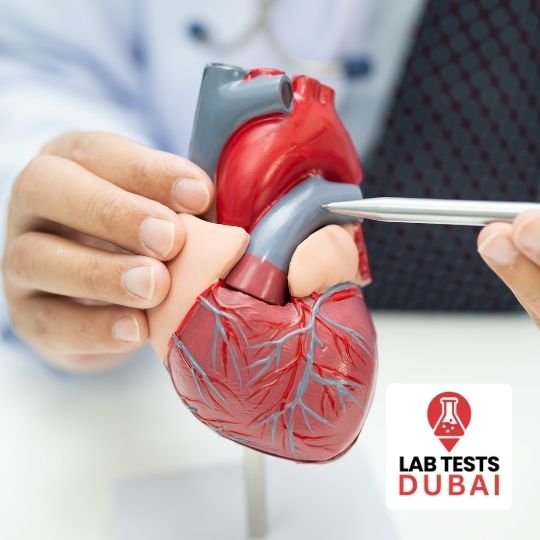
Cardiac Injury Markers I
390,00 د.إ
Could your symptoms be a warning sign of heart damage, or something less serious? Don’t wait to find out the hard way. The Cardiac Injury Markers I Panel from Lab Tests Dubai measures four critical biomarkers that rise when your heart muscle is under stress or injured.
Description
Cardiac Injury Markers I – CPK, CK-MB, Troponin I, LDH Test
Chest pain. Shortness of breath. Dizziness. When these symptoms hit, time is the most precious commodity you have.
In the world of cardiology, doctors don’t guess, they measure. While an ECG provides a picture of the heart’s electrical activity, the CPK, CK-MB, Troponin I, and LDH Test provides a biochemical snapshot of the heart’s structural integrity.
This comprehensive cardiac enzyme panel is not just a single test; it is a sophisticated investigation into muscle health. It differentiates between the soreness of a gym workout and the devastation of a heart attack, providing the data needed to save lives.
What is the CPK, CK-MB, Troponin I, and LDH Test?
This is a specialized blood panel that measures four specific biomarkers released into the bloodstream when cells, specifically heart and muscle cells, are damaged.
1. Troponin I (The Gold Standard) Troponin I is a protein found almost exclusively in the heart muscle. It is the most specific marker for heart damage. If Troponin I is elevated, it is nearly certain that the heart has suffered an injury (Myocardial Infarction). It remains elevated for days, making it the definitive tool for diagnosis even days after the pain starts.
2. CK-MB (The Heart-Specific Enzyme) Creatine Kinase MB is an isoenzyme found primarily in the heart. While less specific than Troponin, it helps doctors estimate the size of the infarction and track how well the heart is recovering.
3. CPK (Total Muscle Enzyme) Total CPK measures the amount of Creatine Kinase in the blood. Since CPK is found in the heart, skeletal muscles, and the brain, a high level alone doesn’t mean a heart attack (it could be from a tough workout). This is why it is always interpreted alongside CK-MB and Troponin.
4. LDH (The “Big Picture” Enzyme) Lactate Dehydrogenase (LDH) is an enzyme involved in energy production found in nearly all body tissues. It is a general marker of cellular turnover and damage. It helps doctors understand the overall extent of tissue injury.
Why Cardiac Injury Markers I Test Superior to a Single Test?
You might ask, “Why not just check Troponin?”
The power of the CPK, CK-MB, Troponin I, and LDH Test lies in its ability to differentiate between causes.
- Scenario A: High Troponin, High CK-MB, Normal LDH. Diagnosis: Acute Heart Attack.
- Scenario B: High CPK, Normal Troponin, Normal CK-MB. Diagnosis: Likely Skeletal Muscle Injury (e.g., from extreme exercise or trauma), not heart-related.
- Scenario C: High LDH across the board. Diagnosis: Systemic issue or tissue damage elsewhere.
This comprehensive view prevents misdiagnosis and ensures that treatment is targeted to the right problem.
Symptoms That Indicate This Test
This test is crucial in emergency situations, but also for monitoring chronic conditions. You should undergo this panel if you experience:
- Cardiac Symptoms: Chest pain or discomfort (angina), radiating pain to the arm or jaw.
- Respiratory Distress: Shortness of breath, wheezing, or difficulty breathing.
- Circulatory Issues: Dizziness, lightheadedness, fainting (syncope).
- Rhythmic Issues: Irregular heartbeat or palpitations (feeling your heart race).
- Muscular Weakness: Unexplained fatigue or muscle pain that concerns you.
- History: High cholesterol, hypertension, or a family history of cardiovascular disease.
The Risks of Ignoring Cardiac Biomarkers
Ignoring the signs of heart injury is a gamble no one should take.
- Myocardial Infarction (Heart Attack): Without immediate intervention (stents, clot-busters), heart muscle dies. This leads to heart failure, reduced quality of life, and death.
- Myocarditis: Inflammation of the heart muscle, often viral, which can lead to arrhythmias and sudden cardiac death.
- Muscular Wasting: In non-cardiac cases, ignoring elevated CPK/LDH might mean missing a severe muscular disease or rhabdomyolysis (rapid muscle breakdown), which can cause kidney failure.
Early detection through this panel allows for immediate triage and life-saving intervention.
How to Prepare: The “No Gym” Rule
To ensure your results are accurate, you must follow one critical instruction: Do not exercise.
- Avoid Strenuous Activity: Do not work out, run, or lift heavy weights for 24 hours before the test. Exercise naturally releases CPK and LDH into your blood, creating “false positives” that look like heart damage.
- No Fasting Required: You do not need to fast.
- Medication Disclosure: Inform your doctor about any blood thinners, statins, or supplements you are taking.
Test Overview: Fast and Reliable
- Sample Type: Blood
- Methodology: Laboratory Analysis (Imunoassay/Enzymatic)
- Turnaround Time: Typically 24–48 Hours
With results available within a day or two, this test provides the rapid feedback necessary to make life-altering decisions quickly.
Clarity in a Crisis
Chest pain creates chaos. The CPK, CK-MB, Troponin I, and LDH Test creates order. It provides the objective data your medical team needs to separate false alarms from true emergencies.
Whether you are managing a chronic condition or investigating new symptoms, this cardiac enzyme panel is your safeguard. It is the difference between “maybe it’s nothing” and “we know exactly what to do.”
Don’t leave your heart health to chance. Book your cardiac enzyme panel today.
Frequently Asked Questions – Cardiac Injury Markers I (CPK, CK-MB, Troponin I, LDH)
What does the Cardiac Injury Markers I test measure?
This panel measures four key biomarkers: Creatine Phosphokinase (CPK), CK-MB (a heart-specific form of CPK), Troponin I (a highly sensitive indicator of heart muscle damage), and Lactate Dehydrogenase (LDH). Together, they help detect heart attacks, myocarditis, or other forms of muscle injury.
When should I get this Cardiac Injury Markers I test?
Consider this test if you’re experiencing chest pain, shortness of breath, unexplained fatigue, palpitations, dizziness, or muscle weakness, especially if you have a personal or family history of heart disease, high cholesterol, or prior cardiac events.
Why is Troponin I included in this panel?
Troponin I is released into the bloodstream only when heart muscle cells are damaged, making it the most specific and sensitive marker for diagnosing a heart attack. Even minor cardiac injury can elevate Troponin I levels, often before symptoms become severe.
Do I need to fast before this test?
No fasting is required. However, avoid strenuous exercise for 24 hours before the test, as intense physical activity can temporarily raise muscle enzyme levels and affect accuracy.
How soon will I get my results?
Results are typically available within **24–48 hours** after your blood sample is received at our Dubai laboratory. You’ll receive a secure digital report via email or through your Lab Tests Dubai account.
Can this test detect non-cardiac muscle damage?
Yes. While Troponin I is heart-specific, CPK and LDH can rise due to skeletal muscle injury, trauma, or intense workouts. That’s why clinical context and symptom correlation are essential, and why this panel is interpreted by healthcare professionals.

Reviews
There are no reviews yet.