Total Bilirubin Test – Serum Analysis

120,00 د.إ

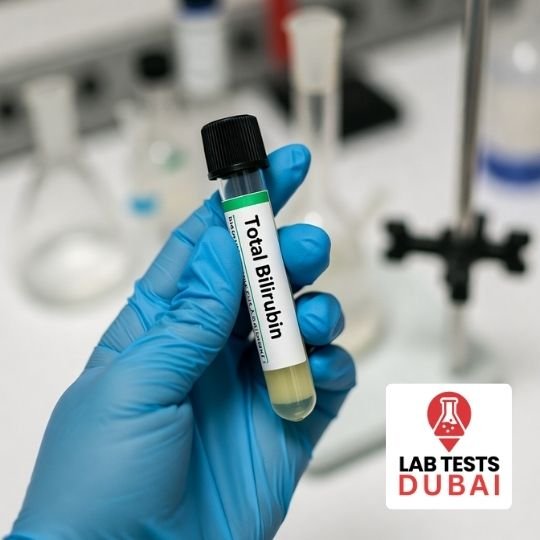
The Total Bilirubin Test is your window into this hidden metabolic process. It is a precise, serum-based analysis that measures the total amount of this pigment in your blood.

Sample Type : Serum
Methodology : Spectrophotometry
TAT : 1 Day

Description

Total Bilirubin Test – Accurate Serum Analysis for Liver Function, Jaundice, and Bile Duct Health

Your body is a high-efficiency biological machine. Every day, millions of red blood cells reach the end of their lifespan and must be retired. When they do, they leave behind a waste product called bilirubin.

Under normal circumstances, your liver acts as the ultimate waste management facility. It captures this yellowish pigment, processes it, and ships it out of your body via bile. You never notice it happening.

But when this system falters, whether due to a tired liver, a blocked bile duct, or an excess of dying blood cells, bilirubin begins to accumulate. The result is a visible, alarming signal: the yellowing of the skin and eyes known as jaundice.

The Total Bilirubin Test is your window into this hidden metabolic process. It is a precise, serum-based analysis that measures the total amount of this pigment in your blood. With results available in just 24 hours, it offers a rapid, accurate assessment of your liver function and bile duct health.

Why You Need This Test

Bilirubin is more than just the culprit behind yellow skin; it is a direct report card on your liver’s performance and the health of your biliary system.

You need the Total Bilirubin Test because it serves as an early warning system for:

  • Liver Disease: It helps diagnose conditions like hepatitis, cirrhosis, and fatty liver disease before they become irreversible.
  • Bile Duct Obstruction: It can identify blockages (like gallstones) that prevent bile from leaving the liver.
  • Hemolytic Disorders: It reveals if your red blood cells are destroying themselves faster than your liver can handle the cleanup.

Because bilirubin levels can fluctuate, having a fast, reliable test is essential for distinguishing between a benign temporary spike and a chronic underlying condition.

The Body’s Whisper: Symptoms to Watch For

While jaundice is the most famous sign, the body often whispers before it shouts. You should consider this test if you notice:

  • Visible Changes: Yellowing of the skin or the whites of the eyes (jaundice). This is the classic sign that bilirubin has breached the blood’s capacity to hold it.
  • The “Plumbing” Signs: Dark-colored urine (like tea or cola) and pale or clay-colored stools. This indicates that bilirubin is spilling into the urine rather than being excreted through the intestines.
  • Systemic Fatigue: Persistent weakness or a general feeling of being unwell.
  • Abdominal Discomfort: Pain specifically in the upper right quadrant, where your liver resides.
  • Unexplained Symptoms: Nausea, vomiting, unexplained weight loss, or itchy skin without a rash.

These symptoms are your body’s way of asking for help. Ignoring them allows the underlying damage to progress.

The Science of Waste: How It Works

To understand the test, you must understand the biology.

  1. Production: Bilirubin is a natural byproduct of the breakdown of old red blood cells. It starts as “unconjugated” (indirect) bilirubin, which is fat-soluble and potentially toxic.
  2. Processing: The liver takes this fat-soluble waste and converts it into “conjugated” (direct) bilirubin, making it water-soluble.
  3. Excretion: This water-soluble form is secreted into bile, stored in the gallbladder, and eventually released into the intestines to leave the body.

The Total Bilirubin Test measures the sum of both forms. If the liver is damaged (hepatitis), it can’t conjugate the bilirubin. If the bile duct is blocked, the conjugated bilirubin backs up into the blood. This test helps your doctor pinpoint where the traffic jam is.

The Danger of the Unknown

Why is it dangerous to ignore high bilirubin levels? Because the backup of waste is toxic.

If left untreated, the conditions causing elevated bilirubin can lead to:

  • Liver Failure: Progressive liver disease can advance to complete liver failure, a life-threatening emergency.
  • Biliary Infections: Blockages can lead to cholangitis or severe gallbladder infections.
  • Neurological Damage: In severe cases, particularly in newborns or prolonged untreated cases, high levels of bilirubin can cross the blood-brain barrier, causing permanent neurological damage.
  • Chronic Complications: Long-standing obstruction or liver stress can cause irreversible scarring (cirrhosis).

Early detection via the Total Bilirubin Test allows for interventions that can clear the blockage, treat the infection, or halt the liver damage.

How to Prepare for Precision

To ensure that the “snapshot” of your liver health is clear, a small amount of preparation is required.

  • Fasting: A fast of 4 to 6 hours is typically recommended to prevent dietary lipids from interfering with the serum analysis.
  • Dietary Restrictions: Avoid alcohol and fatty foods for at least 24 hours before the test. These substances put immediate stress on the liver and can skew the results.
  • Medication Review: Inform your doctor about any supplements or medications you are taking.

The Technology: Spectrophotometry

We utilize advanced spectrophotometry to analyze your serum. This methodology measures the intensity of light absorbed by the bilirubin molecules, providing a quantifiable, highly accurate result.

Test Overview:

  • Sample Type: Serum
  • Methodology: Spectrophotometry
  • Turnaround Time (TAT): 1 Day

The rapid 1-day turnaround means you don’t have to wait in limbo. You get the answers you need quickly, allowing for faster decision-making and peace of mind.

Take Control of Your Liver Health

Your liver is your body’s chemical powerhouse and detoxifier. It works tirelessly to keep you clean. The least you can do is check in on it.

Whether you are seeing the telltale signs of jaundice, experiencing unexplained fatigue, or simply committing to a proactive health regimen, the Total Bilirubin Test is an essential component of your diagnostic toolkit.

Don’t wait for the yellow warning sign.

Book your lab test online to schedule your Total Bilirubin Test today. Prioritize your liver health, ensure your bile ducts are clear, and take the first step toward a healthier, toxin-free future.

Frequently Asked Questions – Total Bilirubin Test

What is the Total Bilirubin Test?

This blood test measures the total amount of bilirubin in your serum, a yellow pigment produced when your body breaks down old red blood cells. Bilirubin is processed by the liver and excreted in bile. Elevated levels can indicate liver dysfunction, bile duct obstruction, or excessive red blood cell breakdown (hemolysis).

Why should I get tested for bilirubin?

Testing is essential if you notice:
– Yellowing of the skin or eyes (jaundice)
– Dark urine or pale stools
– Unexplained fatigue, abdominal pain, or itching
– History of liver disease, gallstones, or anemia
It’s also used to monitor known liver conditions like hepatitis, cirrhosis, or Gilbert’s syndrome.

Do I need to fast before the test?

Yes. You should fast for 4–6 hours before your blood draw. Avoid alcohol and fatty foods for at least 24 hours prior, as they can temporarily affect liver enzyme and bilirubin levels. Always follow your doctor’s specific instructions.

What causes high bilirubin levels?

Elevated bilirubin can result from:
– Liver issues: Hepatitis, cirrhosis, fatty liver, or drug toxicity
– Bile duct blockage: Gallstones, tumors, or strictures
– Hemolysis: Rapid breakdown of red blood cells (e.g., sickle cell, autoimmune anemia)
– Genetic conditions: Gilbert’s syndrome (a benign, common cause of mild jaundice during stress or fasting)

How soon will I get my results?

Thanks to Spectrophotometry methodology, results are typically available within 1 business day. You’ll receive a secure digital report with your total bilirubin level and reference range, ideal for sharing with your hepatologist, gastroenterologist, or primary care provider.

Is this test enough to diagnose liver disease?

No. The Total Bilirubin Test is a key piece of the puzzle, but it’s usually ordered alongside other liver function tests like ALT, AST, ALP, GGT, and albumin. Your doctor will interpret it in context with symptoms, imaging (ultrasound), and medical history to determine the underlying cause.


Reviews

There are no reviews yet.

Be the first to review “Total Bilirubin Test – Serum Analysis”

Your email address will not be published. Required fields are marked *